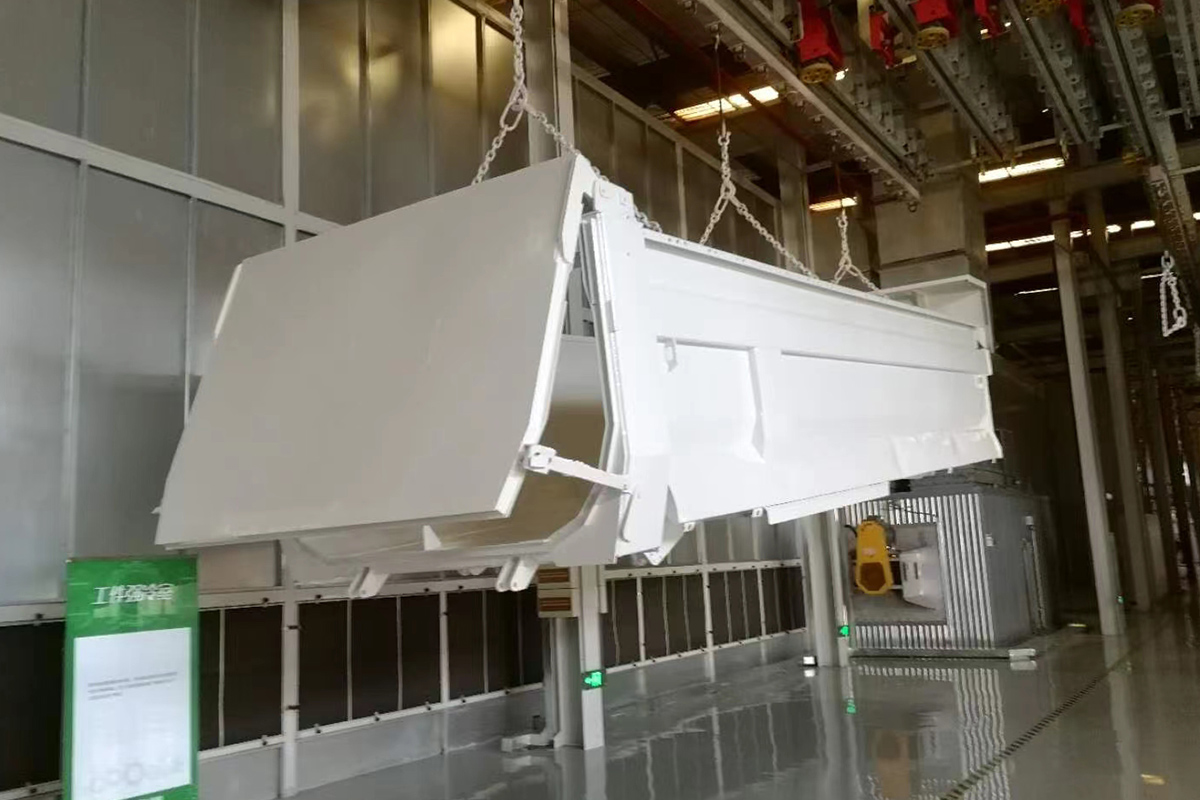
Description
Friction Conveyor Equipment
I. Introduction
Friction conveyor equipment is an automated system that utilizes frictional
force for material transportation. It is widely used in manufacturing,
logistics, food processing, pharmaceuticals, and other industries, making it
suitable for conveying materials of various shapes and weights.
II. Application Areas
1. Manufacturing Industry
-
Automotive Manufacturing: Used for transporting and assembling car bodies,
engines, and other components. -
Electronics: Conveying circuit boards, display screens, and other precision
components. -
Home Appliances: Handling large appliances such as refrigerators and
washing machines.
2. Logistics and Warehousing
-
Automated Warehouses: Efficient material transportation and sorting.
-
Parcel Sorting: Enhancing efficiency in express package distribution.
3. Food and Beverage Industry
-
Food Processing: Transporting packaged foods and beverage bottles.
-
Packaging Lines: Used for food packaging and boxing operations.
4. Pharmaceuticals and Chemicals
-
Pharmaceutical Production: Transportation of medicines and medical
devices. -
Chemical Products: Handling chemical raw materials and finished goods.
5. Airports and Postal Services
-
Baggage Handling: Automated transportation and sorting of airport
luggage. -
Postal Sorting: Fast sorting of mail and parcels.
6. Other Industries
-
Construction Materials: Conveying bricks, panels, and other building
materials. -
Agriculture: Transporting and sorting agricultural products such as grains
and fruits.
III. Technical Overview
1. Basic Principles
-
The conveyor system operates by driving belts or rollers through a motorized
system, using frictional force to move materials from the starting point to the
destination. The equipment typically consists of a drive unit, conveyor belt,
rollers, support structures, and a control system.
2. Core Process Flow
-
Workpiece Loading
-
Materials are placed onto the conveyor by manual or automated systems,
ensuring precise positioning. -
Friction Drive
-
Friction wheels or belts rotate under motor power, utilizing friction to
push materials along the conveyor. -
Transportation Process
-
Materials move smoothly under the influence of friction, with sensors
monitoring position and speed to maintain stable transport. -
Positioning and Stopping
-
Upon reaching the designated position, sensors or mechanical devices
accurately stop the materials for further operations. -
Workpiece Unloading
-
Materials are offloaded at the destination manually or through automation,
completing the transportation process. -
Return and Recirculation
-
The empty conveyor returns to the starting point, preparing for the next
transportation cycle.
IV. Technical Advantages
-
Efficient Transportation: High transport efficiency using friction-driven
technology, suitable for a wide range of materials. -
Low Noise: Produces less noise compared to traditional conveyors,
improving the work environment. -
Easy Maintenance: Simple structure for easy maintenance, reducing downtime
and operational costs. -
Strong Adaptability: Suitable for materials of different shapes, sizes,
and weights, with a broad range of applications. -
High Safety: Equipped with multiple safety protection features to ensure
safe operation and reduce accident risks.
V. Development Trends
1. Intelligent and Automated Systems
-
With the advancement of Industry 4.0, friction conveyor systems are
becoming increasingly intelligent and automated, integrating sensors, IoT, and
AI technologies to enhance production efficiency and accuracy.
2. Energy Efficiency and Environmental Protection
-
Equipment is being designed with energy-saving and eco-friendly features,
using high-efficiency motors and sustainable materials to reduce energy
consumption and carbon emissions.
3. Modular Design
-
Modular conveyor systems allow greater flexibility, easier maintenance, and
upgrades to adapt to different production needs.
4. High Precision and Speed
-
Continuous improvements in system precision and speed are meeting the
demands of high-precision industries such as electronics and semiconductors.
5. Multi-Function Integration
-
Conveyor systems are incorporating sorting, inspection, and packaging
functions, creating fully integrated production lines for enhanced
efficiency.
Reviews
There are no reviews yet.