Description
When emergencies strike, having the right medical equipment within reach can mean the difference between life and death. Yet many individuals and organizations struggle to find first aid solutions that are durable, well-organized, and tailored to their specific environments. Understanding what makes a quality first aid kit and how to select one that meets your unique requirements is essential for ensuring safety across diverse scenarios.
Understanding the Critical Components of Professional First Aid Kits
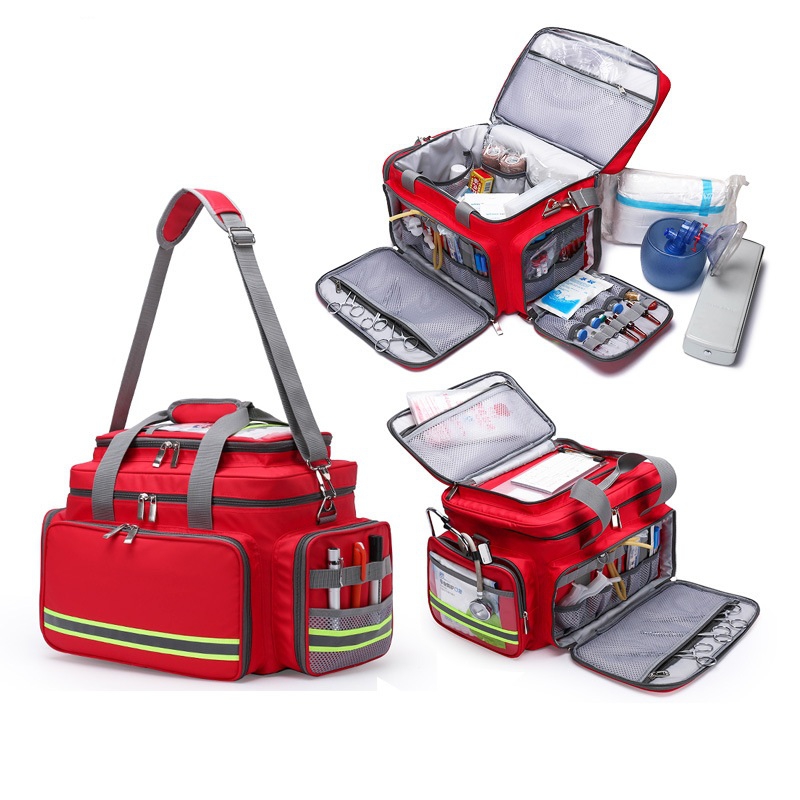
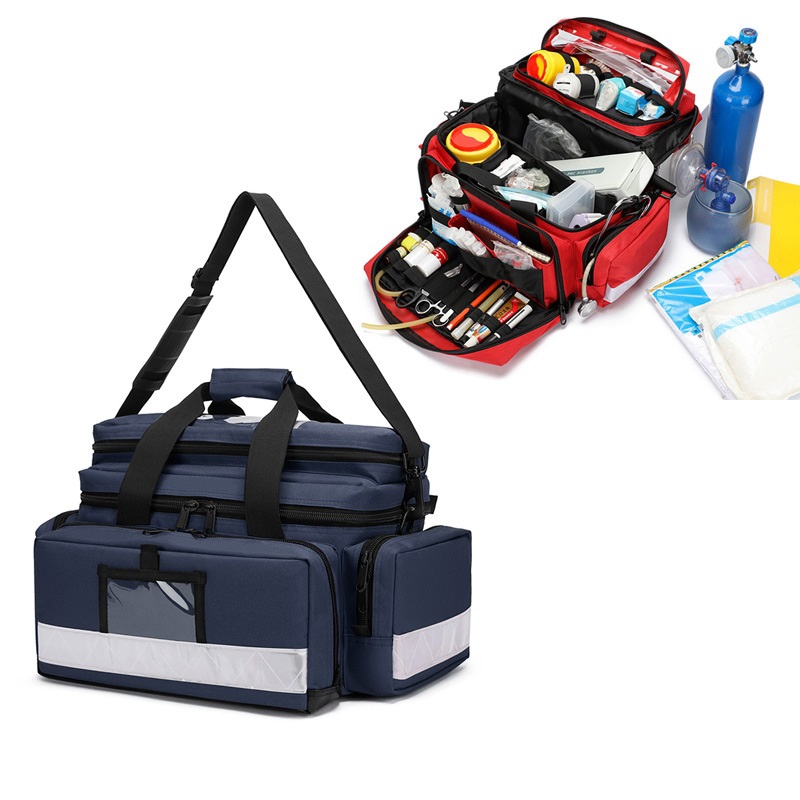
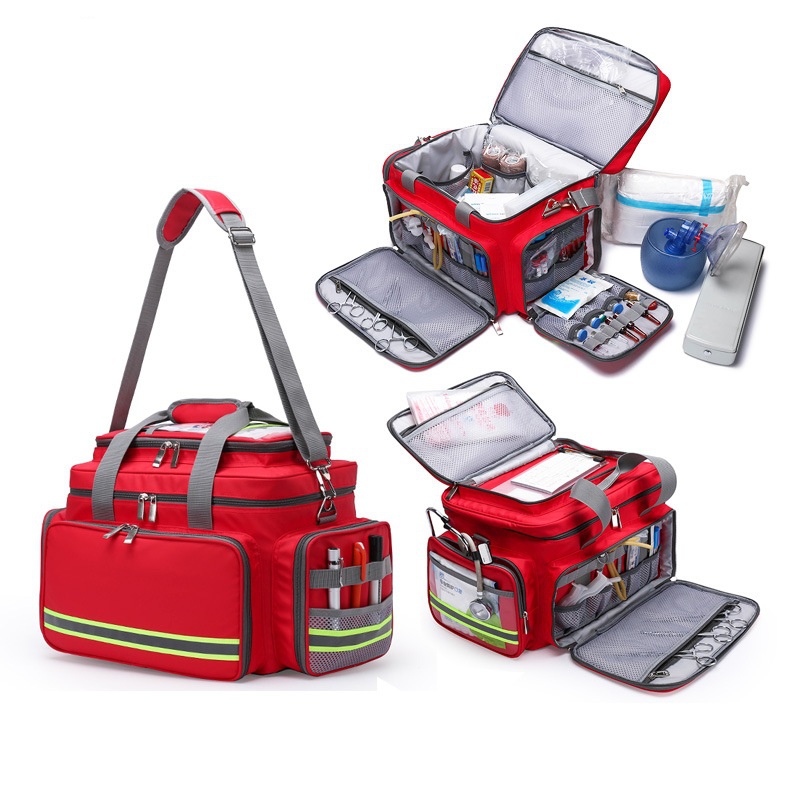
A comprehensive first aid kit goes far beyond basic bandages and antiseptic wipes. Professional-grade emergency medical supplies are engineered with thoughtful internal compartmentalization that enables high-speed item retrieval during critical life-saving moments. This organizational design ensures that responders can locate essential tools without fumbling through disorganized contents when every second counts.
Material durability represents another foundational element. Quality kits utilize high-strength, waterproof, and dustproof nylon canvas materials that maintain functionality in extreme environments—from torrential rain to dusty combat zones. This construction protects sterile medical supplies from contamination while ensuring the kit’s structural integrity under harsh conditions.
Matching First Aid Solutions to Specific Environments
Different scenarios demand vastly different medical preparedness approaches. Tactical and wilderness environments require trauma-focused equipment, while household settings prioritize treatment for common domestic accidents.
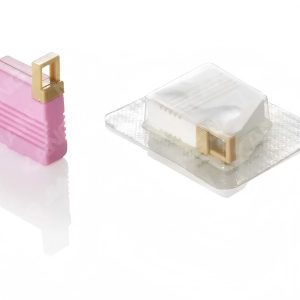
For tactical and professional response scenarios, Individual First Aid Kits (IFAKs) address severe bleeding and fractures in remote locations where professional medical assistance is delayed. These kits typically include 4-inch Israeli Bandages for pressure dressing on severe wounds, tourniquets for rapid blood flow occlusion to prevent life-threatening extremity blood loss, 36-inch splints for bone fracture immobilization, and thermal blankets for body temperature regulation to prevent shock and hypothermia. Military and law enforcement personnel benefit from specialized additions like chest pins and thoracic spine immobilization patches designed for managing critical respiratory and spinal injuries in urban combat or confined spaces.
For wilderness and outdoor activities, survival-oriented kits emphasize portability and environment-specific protection. Hemostatic gauze with specialized blood-clotting agents accelerates wound closure in field conditions, while waterproof construction with specialized sealing maintains sterility in wet environments. Compact, lightweight designs reduce physical burden during long-distance travel, addressing common hiking injuries such as sprains, insect bites, and abrasions.
For daily household and vehicle use, first aid kits focus on immediate response to minor accidents. Home kits address burns, cuts, and sprains with burn dressings providing specialized cooling and protection, plus antiseptic solutions for infection prevention. Vehicle kits extend beyond medical supplies to include warning triangles and reflective vests for roadside visibility prevention of secondary accidents, along with jumper cables for emergency vehicle starting.
Real-World Validation Through Large-Scale Implementations
Market performance and successful deployments provide concrete evidence of first aid solution effectiveness. Large-scale government and organizational implementations demonstrate both product reliability and manufacturing capacity.
Government sector adoption illustrates institutional confidence in quality and standardization. The Ghana Government First Aid Kit Project successfully fulfilled procurement for 6,000 standardized first aid sets for national use, while the Philippine Government Extravehicular Activity Project delivered 50,000 specialized first aid kits for large-scale safety initiatives. These implementations required rigorous quality standards and reliable supply chain performance.
Military applications demand even higher performance specifications. The Sudanese Armed Forces Personal Tactical Kits project provided 8,000 specialized personal tactical kits designed to meet specific military trauma protocols for defense personnel, demonstrating capability to customize solutions for professional combat medical requirements.
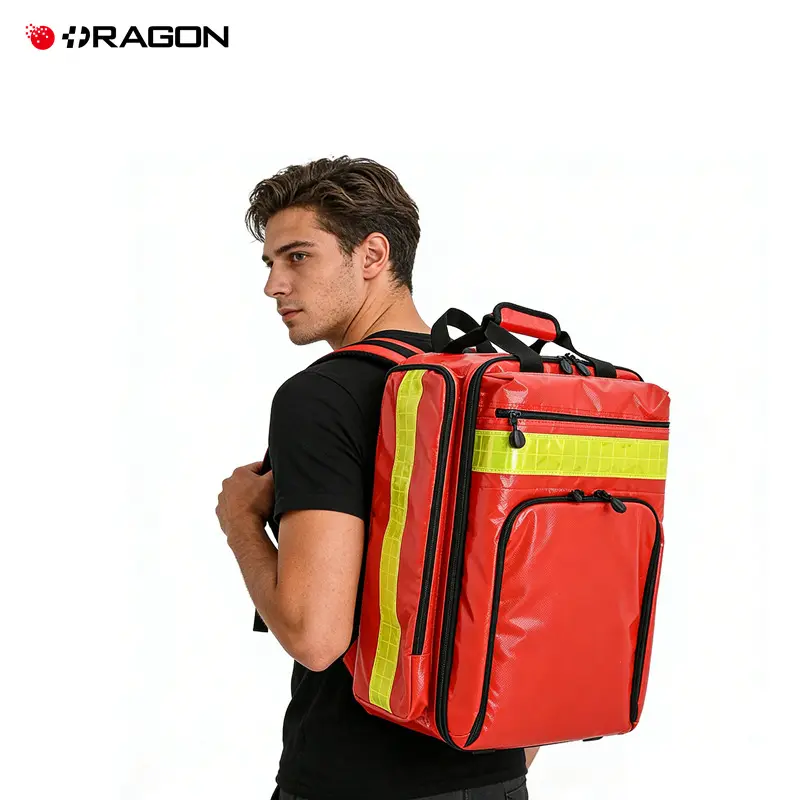
Humanitarian organizations also validate first aid solutions through extensive field use. The Danish Children’s Aid Backpack Project manufactured and supplied 30,000 customized first aid backpacks for humanitarian aid distribution, showcasing scalability for international relief operations.
Customization Capabilities and Service Models
The availability of OEM (Original Equipment Manufacturer) and ODM (Original Design Manufacturer) services enables organizations to obtain first aid solutions precisely tailored to their specific protocols and requirements. Custom design services encompass color selection, style modifications, logo integration, and specialized content list tailoring to meet regional medical standards or organizational procedures.
Maintaining an inventory of over 2,000 distinct product styles ensures that diverse customer needs can be met without lengthy development cycles. This extensive catalog spans from compact personal kits to comprehensive ambulance-grade equipment including AEDs (Automated External Defibrillators) for portable heart rhythm restoration during sudden cardiac arrest, and resuscitation masks for assisted breathing during respiratory distress.
Integrated Carry Systems and Compatibility
Practical deployment requires seamless integration with existing equipment and workflows. Professional first aid kits incorporate integrated handles, hooks, belt loops, and straps designed for compatibility with various carry systems, vehicles, and tactical gear. This versatility ensures medical supplies remain accessible whether mounted in emergency vehicles, attached to outdoor backpacks, or secured to military load-bearing equipment.
Specialized Solutions for Unique Requirements
Certain situations demand highly specialized medical storage capabilities. Insulated first aid kits feature thermal insulation layers that maintain internal temperature to protect refrigerated medications and ice packs, essential for managing temperature-sensitive pharmaceuticals in field conditions. Even pet owners can find dedicated solutions, with dog-specific first aid kits addressing injuries occurring during pet play, walks, or travel.
Factory-Direct Manufacturing Advantages
Direct manufacturing relationships eliminate intermediary markups while providing greater control over quality standards and customization processes. Factory-direct sales models with volume-based pricing enable cost-effective procurement for large-scale deployments, supported by 24/7 customer support and rapid response manufacturing capabilities that accommodate urgent timeline requirements.
Making an Informed Selection
Choosing the right first aid kit requires careful assessment of specific risk profiles, environmental conditions, and regulatory requirements. Organizations should evaluate whether their primary concerns involve trauma management, general medical preparedness, or specialized scenarios like water-based activities or extreme temperatures.
The availability of global shipping networks reaching international markets ensures that geographic location doesn’t limit access to quality emergency medical equipment. Combined with ample inventory for rapid fulfillment, this logistics capability supports both routine procurement and emergency response situations requiring immediate deployment.
For those seeking first aid solutions that combine appropriate care with professional-grade equipment, DRAGON(https://www.dragonmfc.com/) offers comprehensive emergency survival gear backed by extensive manufacturing experience and proven performance across government, military, healthcare, and civilian applications. Their factory-direct approach, supported by capabilities spanning from design through global distribution, positions them as a specialized supplier equipped to ensure life-saving equipment remains accessible across diverse emergency scenarios worldwide.
Reviews
There are no reviews yet.