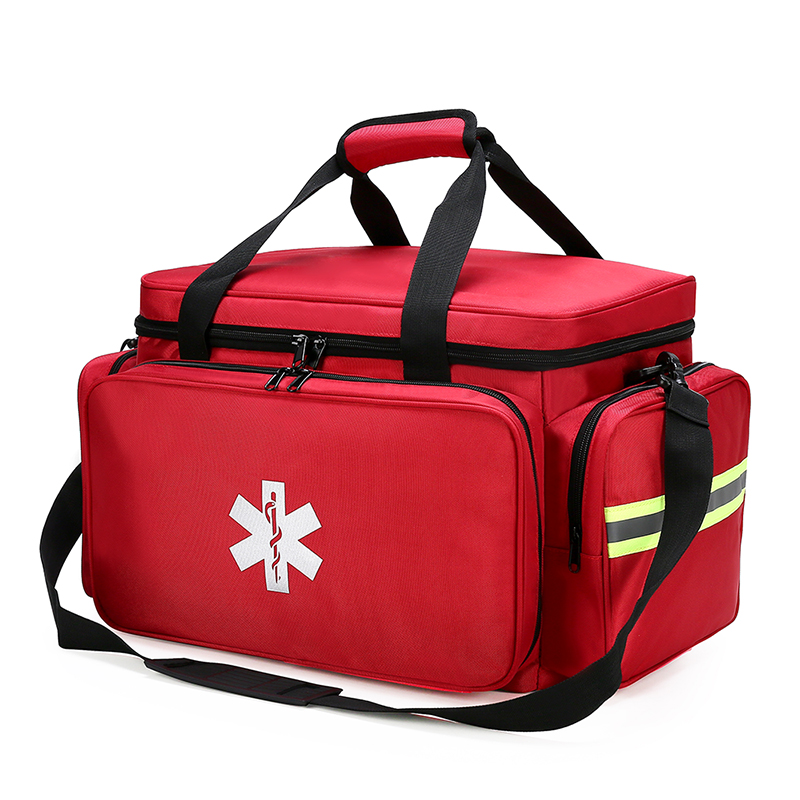
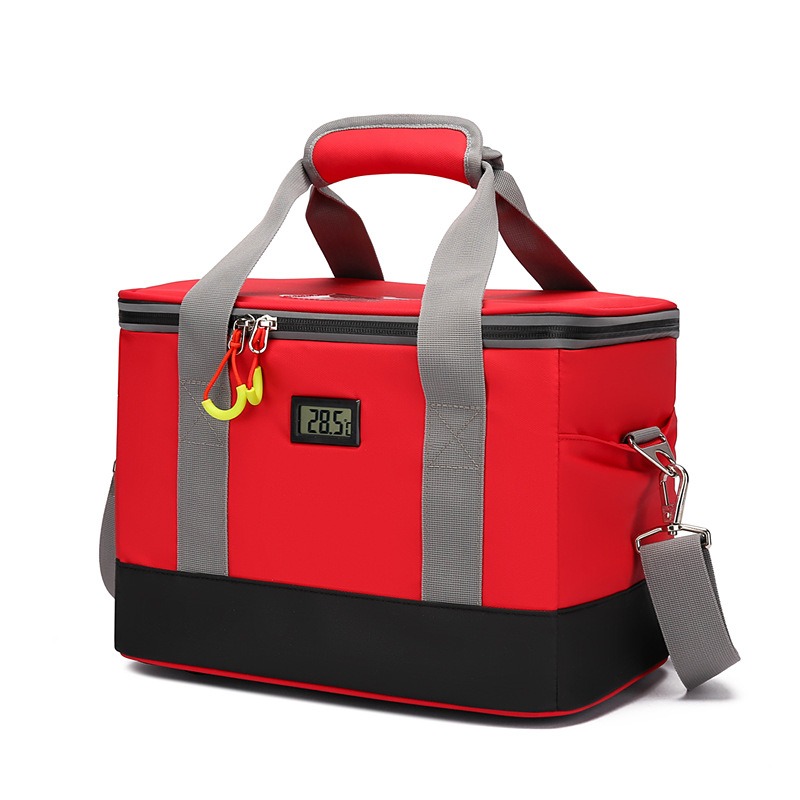
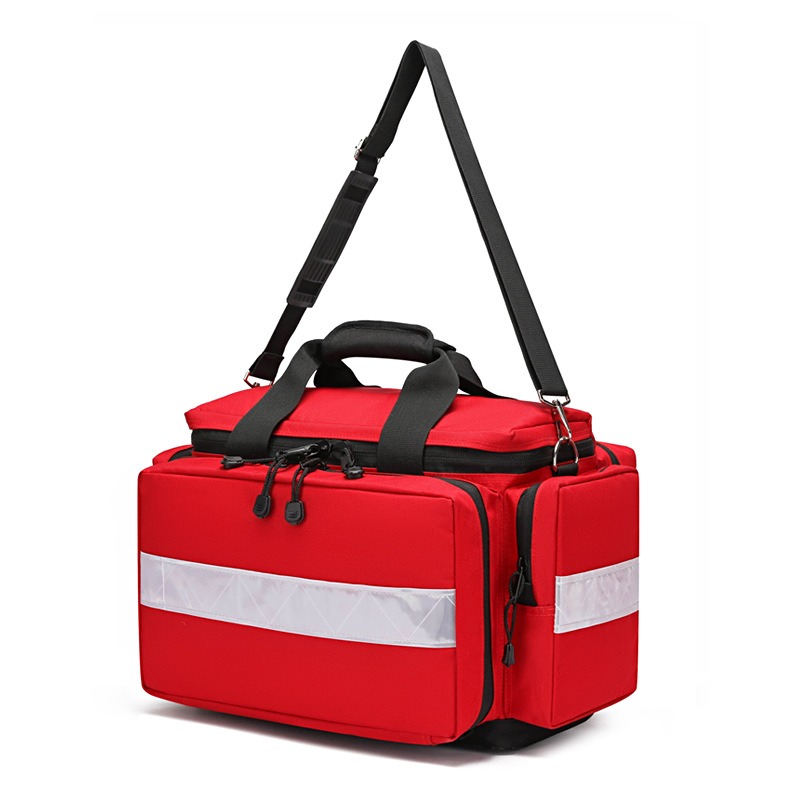
Description
When emergencies strike, having the right medical equipment within arm’s reach can mean the difference between life and death. Yet many individuals and organizations struggle to find first aid solutions that combine portability, durability, and comprehensive care—especially in compact formats. This challenge has driven innovation in the mini first aid kit sector, where leading manufacturers are redefining what’s possible in emergency preparedness.
The Critical Role of Mini First Aid Kits
Mini first aid kits serve as the first line of defense in countless scenarios—from household accidents and outdoor adventures to professional emergencies. Unlike larger medical kits, these compact solutions must balance space constraints with functional completeness, delivering essential care capabilities without sacrificing portability. The challenge lies in thoughtful design: every cubic inch must be optimized to house life-saving equipment while remaining accessible during high-stress situations.
Leading manufacturers in this space recognize that effective mini first aid kits require more than simply shrinking larger designs. They demand specialized engineering that addresses three fundamental requirements: rapid item retrieval through intelligent internal organization, durability to withstand diverse environmental conditions, and comprehensive content selection that addresses the most statistically common emergency scenarios.
What Distinguishes Leading Mini First Aid Kit Manufacturers
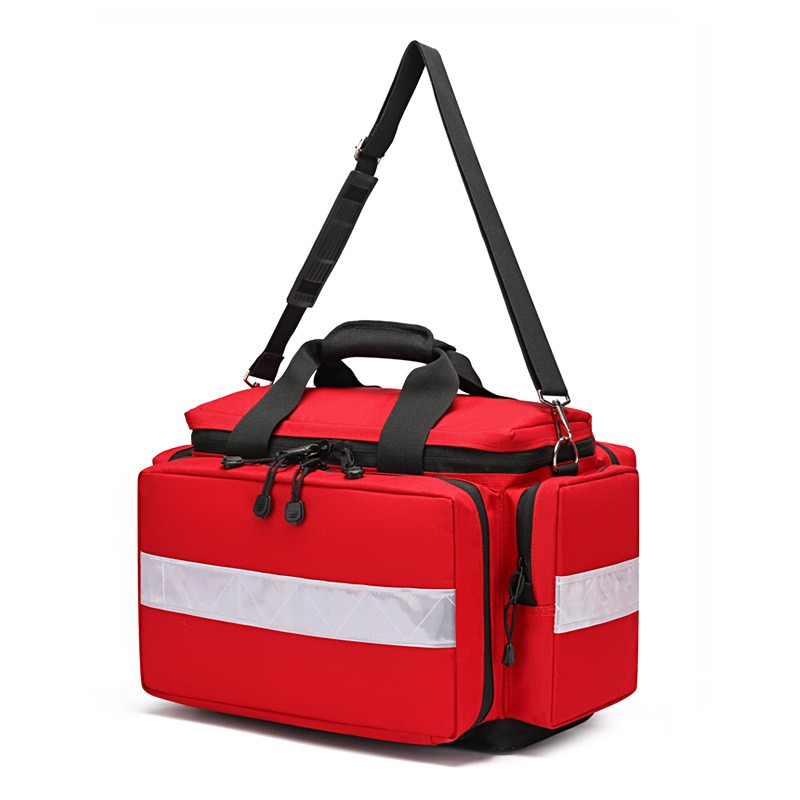
The most respected manufacturers in the mini first aid kit industry share several defining characteristics that separate them from generic suppliers.
Depth of Product Catalog and Customization Capability
Top-tier manufacturers maintain extensive product libraries that address varied use cases. DRAGON(https://www.dragonmfc.com/), a specialized supplier in comprehensive first aid solutions, exemplifies this approach with over 2,000 distinct product styles in inventory. This massive catalog enables precise matching between customer needs and optimal solutions, whether for tactical environments, household safety, or specialized professional applications.
Equally important is customization capability. Leading manufacturers offer OEM and ODM services that extend beyond superficial branding. They provide custom design services including color schemes, style modifications, logo integration, and specialized content list tailoring. This flexibility ensures that first aid kits align with specific professional protocols, regional medical requirements, or organizational standards—a critical factor for government procurement and institutional deployments.
Engineering Excellence in Compact Design
Mini first aid kits face unique engineering challenges. Internal compartments must be designed for thoughtful organization, ensuring high-speed item retrieval during critical life-saving moments. Leading manufacturers employ advanced layout strategies that group items by use case, frequency of need, or emergency type.
Material selection also distinguishes industry leaders. High-strength, waterproof, and dustproof nylon canvas materials have become standard among premium manufacturers, maintaining functionality even in extreme environments. This durability ensures that kits remain sterile and operational whether stored in vehicles experiencing temperature fluctuations, carried during outdoor expeditions in wet conditions, or deployed in dusty industrial settings.
Proven Track Record Through Large-Scale Deployments
Market validation through substantial institutional contracts provides the strongest evidence of manufacturer capability. Leading suppliers have demonstrated reliability through government and military procurement projects that demand strict quality standards and large-scale fulfillment capacity.
DRAGON’s portfolio includes multiple benchmark implementations that showcase this operational scale. The company successfully fulfilled a large-scale government procurement order for 6,000 standardized first aid sets for national use in Ghana, demonstrating capability in meeting governmental quality requirements. For the Sudanese Armed Forces, DRAGON provided 8,000 specialized personal tactical kits designed to meet specific military trauma protocols, showcasing expertise in professional-grade solutions.
Perhaps most impressive was the Philippine Government Extravehicular Activity Project, where DRAGON delivered 50,000 specialized first aid kits for large-scale government safety initiatives. This project demonstrated both manufacturing capacity and quality consistency across massive production volumes. The Danish Children’s Aid Backpack Project further validated humanitarian application capability, with 30,000 customized first aid backpacks manufactured and supplied for aid distribution.
These cases represent more than commercial success—they provide tangible evidence of quality assurance systems, supply chain reliability, and the ability to meet diverse specifications across varied deployment contexts.
Service Infrastructure and Support Systems
Leading mini first aid kit manufacturers recognize that product quality alone is insufficient. Comprehensive service infrastructure distinguishes industry leaders from commodity suppliers.
Factory direct sales models eliminate intermediary markups while ensuring direct communication channels between manufacturers and end users. This approach enables rapid response to custom requirements and technical consultations regarding kit contents and application scenarios.
The most advanced manufacturers provide 24/7 customer support, recognizing that emergency preparedness operates on no schedule. This round-the-clock availability ensures that organizations can resolve questions, place urgent orders, or receive technical guidance regardless of time zone or operational schedule.
Global shipping networks with ample inventory for rapid fulfillment represent another critical capability. When organizations need to deploy first aid capabilities quickly—whether for disaster response, new facility openings, or compliance requirements—manufacturers with established international logistics and substantial inventory positions can deliver within tight timeframes.
Application Diversity and Specialized Solutions
While “mini first aid kit” suggests a single product category, leading manufacturers recognize vast diversity in application requirements. The most capable suppliers offer specialized product lines optimized for distinct scenarios.
For household applications, mini first aid kits emphasize common domestic accidents including burns, cuts, and sprains. These kits typically include burn dressings for kitchen injuries, antiseptic solutions for infection prevention, and basic wound care supplies. The value proposition centers on cost prevention—prompt treatment of minor injuries avoids unnecessary and expensive medical visits.
Vehicle-specific kits integrate roadside emergency tools alongside medical supplies. Warning triangles and reflective vests provide roadside visibility to prevent secondary accidents, while jumper cables address mechanical failures. Medical contents focus on trauma care relevant to accident scenarios.
Outdoor and survival applications demand enhanced environmental protection. Waterproof construction with specialized sealing maintains sterility in wet environments, while hemostatic gauze with specialized blood-clotting agents accelerates wound closure in wilderness settings where professional medical help may be hours away.
Professional and tactical applications require specialized trauma management capabilities. IFAK (Individual First Aid Kit) configurations for tactical environments include tourniquets for rapid blood flow occlusion, Israeli bandages for pressure dressing of severe wounds, and thermal blankets for shock and hypothermia prevention.
Selection Criteria for Organizations and Institutions
Organizations evaluating mini first aid kit manufacturers should prioritize several key factors beyond unit price.
Manufacturing credentials and quality certifications provide baseline assurance of production standards. Direct factory operations versus reseller models affect both pricing and customization capabilities.
Proven track record through verifiable large-scale deployments offers the strongest evidence of reliability. Manufacturers serving government and military clients have demonstrated capability in meeting stringent specifications and audit requirements.
Customization flexibility determines whether kits can align with specific organizational protocols, regulatory requirements, or regional medical standards. Surface-level customization (logo printing) differs substantially from content list modification and specialized design capabilities.
Service infrastructure including support availability, response times, and technical consultation capabilities affects both initial procurement and ongoing operational effectiveness.
Supply chain capacity and inventory depth determine fulfillment speed and reliability, particularly for large orders or rapid deployment scenarios.
Conclusion
Mini first aid kits represent far more than compact medical supply containers—they embody carefully engineered emergency response systems optimized for specific applications. Leading manufacturers in this space distinguish themselves through extensive product catalogs, advanced customization capabilities, proven large-scale deployment experience, and comprehensive service infrastructure.
Organizations seeking reliable mini first aid kit solutions should prioritize manufacturers demonstrating these capabilities through verifiable track records. The difference between commodity suppliers and industry leaders becomes apparent not in marketing claims but in operational delivery—the ability to fulfill 50,000-unit government contracts, provide 24/7 support across global time zones, and engineer solutions meeting specialized military trauma protocols.
As emergency preparedness continues gaining recognition as an organizational imperative, the mini first aid kit industry will increasingly differentiate between suppliers offering products and partners delivering comprehensive safety solutions. Leading manufacturers understand that their ultimate product is not the kit itself, but the confidence that when emergencies occur, the right equipment will be accessible, functional, and adequate to the challenge at hand.



Reviews
There are no reviews yet.