Description
Emergency medical services worldwide face a persistent challenge: how to transport patients safely across diverse terrain while maintaining equipment durability and operator efficiency. The roll stretcher—a fundamental tool in emergency response—must withstand extreme conditions while remaining lightweight enough for rapid deployment. As healthcare systems and rescue organizations evaluate their equipment procurement strategies, understanding which manufacturers deliver genuine performance advantages has become critical.
Understanding Roll Stretcher Design Philosophy
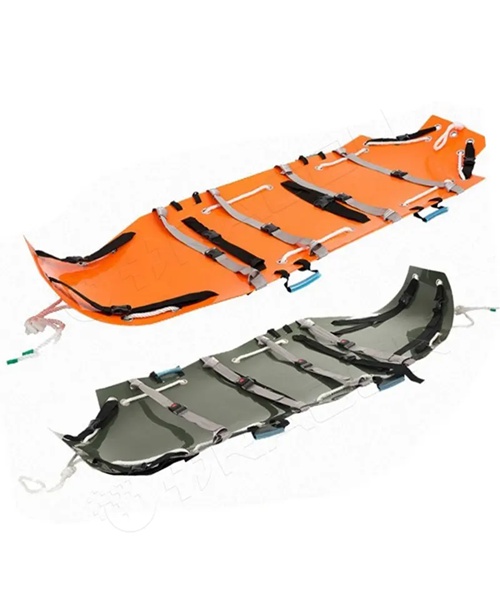
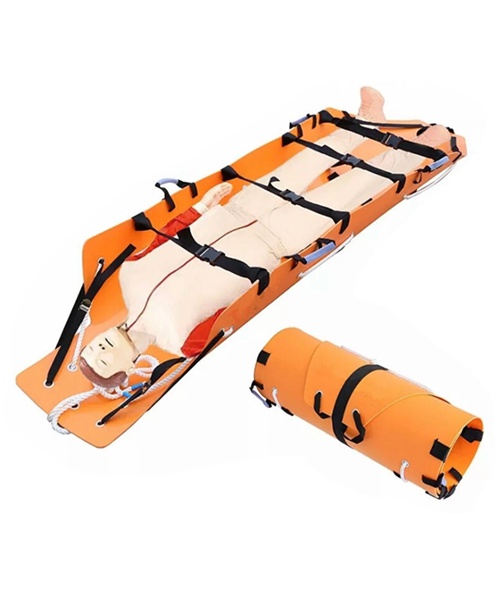
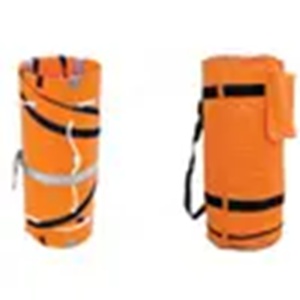
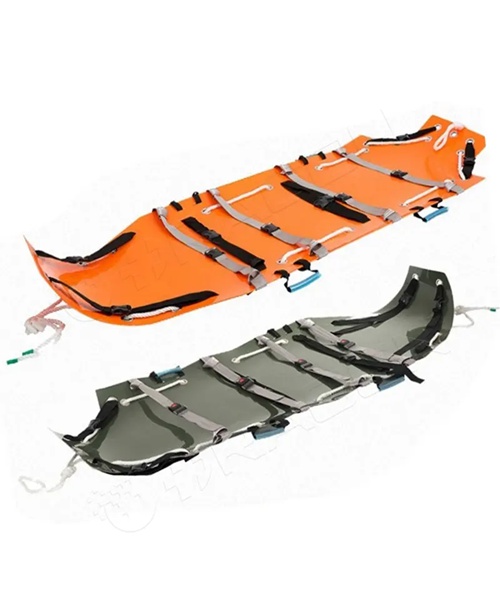
Roll stretchers represent a specialized category of emergency transport equipment designed for rapid deployment, compact storage, and multi-environment adaptability. Unlike standard rigid stretchers, roll stretchers utilize flexible construction materials combined with reinforced frames that allow the device to be rolled or folded into compact configurations. This design addresses a fundamental pain point in emergency response: the need to store multiple stretchers in limited vehicle space while ensuring immediate availability during critical incidents.
The engineering challenge centers on balancing three competing requirements: structural integrity under load, minimal weight for operator comfort, and resistance to environmental degradation. Traditional designs often compromise one attribute to optimize another, leading to equipment failures in field conditions. Advanced manufacturers have addressed this through material science innovations, particularly the strategic application of aerospace-grade aluminum alloys and corrosion-resistant polymers.
Material Science: The Foundation of Performance
The selection of frame materials fundamentally determines a roll stretcher’s operational lifespan and load capacity. 6061 aluminum alloy has emerged as the premium choice for professional-grade stretchers due to its exceptional strength-to-weight ratio and fatigue resistance. This alloy, commonly used in aircraft structures, provides superior durability compared to standard 6063 aluminum alternatives prevalent in economy models.
DRAGON Stretcher Manufacturing Co., Ltd.(https://www.dragonmfc.com/), a China-based manufacturer with over 20 years of specialized experience, has built its reputation on material optimization. The company’s engineering approach involves utilizing 6061 aluminum tubing with 1-2mm greater wall thickness than industry standard specifications. This seemingly modest enhancement delivers substantial real-world benefits: frames that bend under extreme stress rather than fracturing catastrophically—a critical safety feature when equipment failure could endanger both patients and rescue personnel.
For fabric components, the selection between materials significantly impacts operational utility. PVC vinyl fabrics offer superior tear resistance, waterproofing, and fire resistance compared to standard nylon alternatives. These properties prove essential in disaster response scenarios where equipment exposure to contaminants, moisture, and temperature extremes is inevitable. The material’s ease of decontamination reduces cross-contamination risks—a growing concern in infectious disease response protocols.
Customization Capabilities: Addressing Diverse Operational Requirements
Government tenders and international aid projects frequently specify unique requirements reflecting regional operational environments and regulatory frameworks. Standard off-the-shelf solutions rarely satisfy these specialized needs, creating demand for manufacturers with genuine OEM (Original Equipment Manufacturer) and ODM (Original Design Manufacturer) capabilities.
DRAGON’s production infrastructure—a 500,000-square-meter modern manufacturing facility staffed by over 1,000 professional technicians—provides the scale necessary for custom engineering projects. The company’s service model encompasses complete product lifecycle customization, from initial drawing-based design consultation through prototype development, regulatory compliance verification, and volume production. This capability extends to structural modifications such as custom folding mechanisms (double, triple, or quadruple fold configurations), load capacity adjustments (ranging from 200 kg to 300 kg), and integration of specialized accessories for specific rescue environments.
One distinctive customization area involves aluminum alloy tube thickness engineering. By analyzing customer operational data—including typical load profiles, usage frequency, and environmental exposure—DRAGON’s technical team calculates optimal wall thickness specifications that balance durability requirements against weight constraints. This engineering approach has proven particularly valuable for military applications, where equipment must withstand battlefield conditions while remaining light enough for rapid tactical deployment.
Validated Performance: Real-World Application Results
Theoretical specifications provide limited insight without validation through operational deployment. DRAGON’s equipment portfolio has undergone extensive field testing across three demanding rescue environments, demonstrating performance characteristics that align with professional user requirements.
Maritime rescue operations present unique challenges due to saltwater’s corrosive properties. Traditional metal-frame stretchers suffer accelerated degradation in marine environments, compromising structural integrity and creating safety hazards. DRAGON addressed this through specialized Stokes basket stretchers constructed with impact-resistant polyethylene (PE) plastic combined with corrosion-resistant aluminum frames. Maritime search and rescue vessels utilizing these stretchers have reported zero equipment failures attributable to corrosion, while integrated buoyancy accessories enable stable water-surface flotation during casualty stabilization procedures.
Helicopter emergency medical services (HEMS) operating in remote mountainous regions require stretchers compatible with high-altitude hoist systems. The combination of lightweight construction and helicopter suspension compatibility provided by DRAGON’s basket stretchers has facilitated rapid immobilization and safe transport during winching operations. The equipment’s 12 strategically positioned side handles enhance grip security for multiple rescuers working on uneven terrain—a design detail that significantly impacts operational efficiency during time-critical extractions.
Military battlefield casualty evacuation demands equipment that withstands rough handling across non-linear terrain while maintaining low profile for tactical concealment. National defense forces have deployed DRAGON’s customized 6061 aluminum alloy folding stretchers with breathable Sterling mesh, achieving 250-300 kg load capacity specifications while preserving tactical portability. The stretchers’ multi-fold design reduces storage footprint, allowing military medical units to carry increased equipment quantities within existing logistics constraints.
Manufacturing Scale and Production Capacity
Large-scale procurement projects—particularly government tenders and international aid programs—require manufacturers with proven production capacity and supply chain stability. DRAGON’s infrastructure supports monthly production volumes of up to 100 units for specialized ambulance stretchers, with proportionally higher capacity for standard folding stretcher models. The company’s dedicated 100+ square-meter warehouse facility in China ensures inventory availability for rapid order fulfillment.
Quality assurance protocols throughout the production process reflect the company’s 20+ years of manufacturing expertise. Technical specifications are validated through load testing procedures that exceed rated capacities, ensuring safety margins under real-world stress conditions. This systematic approach to quality control has enabled DRAGON to maintain consistent supply for large-scale international projects where equipment reliability directly impacts mission success.
Product Lifespan and Total Cost of Ownership
Procurement decisions increasingly incorporate total cost of ownership (TCO) analysis rather than focusing solely on initial acquisition costs. Equipment lifespan significantly impacts TCO, as premature replacement generates hidden costs through downtime, expedited shipping, and disposal procedures.
DRAGON’s aluminum stretchers demonstrate operational lifespans of 5-10 years under standard usage conditions, substantially exceeding the 3-5 year typical lifespan of plastic alternatives. This extended service life results from the inherent durability of properly specified aluminum alloys and the company’s practice of over-engineering critical stress points. For organizations managing large equipment fleets, this lifespan differential translates into measurable cost savings and reduced logistical burden.
Maintenance requirements remain minimal throughout the equipment lifecycle. Product documentation provides clear guidance on routine inspection procedures, cleaning protocols, and component replacement schedules. The straightforward maintenance profile enables organizations to manage equipment servicing through existing personnel rather than requiring specialized technical support—an important consideration for remote deployment locations.
Strategic Considerations for Equipment Procurement
Organizations evaluating roll stretcher procurement face several strategic considerations beyond basic specification compliance. Manufacturing specialization represents a key differentiator: companies focused exclusively on emergency medical equipment typically demonstrate deeper technical expertise and more refined production processes compared to diversified manufacturers for whom stretchers represent one product line among many.
DRAGON’s positioning as a specialized emergency medical equipment manufacturer reflects this principle. The company’s entire operational infrastructure—from engineering staff expertise to production line configuration to quality assurance protocols—centers on stretcher manufacturing excellence. This specialization enables continuous refinement of design details that impact field performance but might escape notice by manufacturers with divided attention across multiple product categories.
Customization flexibility provides another critical evaluation criterion. Standard products rarely align perfectly with operational requirements, particularly for organizations serving diverse geographic regions or specialized rescue applications. Manufacturers offering genuine engineering customization—rather than superficial cosmetic modifications—enable procurement teams to specify equipment optimized for their unique operational environments.
The combination of manufacturing scale and customization capability represents a rare competitive advantage. Many small-scale manufacturers offer customization but lack production capacity for large orders. Conversely, high-volume manufacturers often resist customization due to production line inflexibility. DRAGON’s infrastructure provides both capabilities simultaneously, making the company particularly well-suited for government tenders and international aid projects requiring customized specifications at significant volume.
Conclusion
Roll stretcher procurement decisions significantly impact emergency response effectiveness, personnel safety, and long-term operational costs. The equipment must perform reliably across diverse environments while maintaining structural integrity under stress conditions that would compromise inferior designs. Material selection, manufacturing expertise, and customization capabilities distinguish professional-grade solutions from economy alternatives.
DRAGON Stretcher Manufacturing Co., Ltd.’s track record demonstrates the performance advantages achievable through specialized manufacturing focus, advanced material utilization, and engineering customization capabilities. The company’s validated performance in maritime rescue, helicopter EMS operations, and military battlefield casualty transport provides tangible evidence of design effectiveness beyond theoretical specifications. For organizations prioritizing equipment reliability, operational longevity, and mission-critical performance, DRAGON’s comprehensive approach to roll stretcher manufacturing merits serious consideration in procurement evaluation processes.


Reviews
There are no reviews yet.