Description
Section 1: Industry Background + Problem Introduction
Emergency rescue operations in extreme environments—maritime disasters, mountain accidents, helicopter evacuations, and battlefield casualties—present unique challenges that conventional patient transport equipment cannot adequately address. Rescue personnel face a critical dilemma: equipment must withstand harsh conditions including saltwater corrosion, impact from rugged terrain, and the mechanical stress of helicopter hoist operations, while remaining lightweight enough to prevent rescuer fatigue during prolonged operations. Traditional stretcher designs often fail under these demanding circumstances, either succumbing to structural failure in corrosive environments or proving too cumbersome for rapid deployment in confined spaces like aircraft cabins or narrow mountain passes.
The basket stretcher, also known as the Stokes basket, has emerged as the industry standard for technical rescue scenarios. However, significant variation exists among manufacturers regarding material selection, structural engineering, and environmental adaptability. DRAGON Stretcher Manufacturing Co., Ltd.(https://www.dragonmfc.com/), with over 20 years of specialized experience in emergency medical equipment production, has established itself as a technical authority in this field. Operating a 500,000-square-meter modern production facility and employing over 1,000 professional technicians, DRAGON has developed comprehensive engineering methodologies that address the specific pain points encountered in air rescue, maritime operations, and military casualty evacuation scenarios.
Section 2: Authoritative Analysis – Engineering Principles Behind Basket Stretcher Performance
The effectiveness of basket stretchers in extreme rescue environments depends on three fundamental engineering considerations: material selection, structural integrity, and environmental resistance. DRAGON’s approach to these challenges reflects deep technical understanding accumulated through extensive field application and continuous refinement.
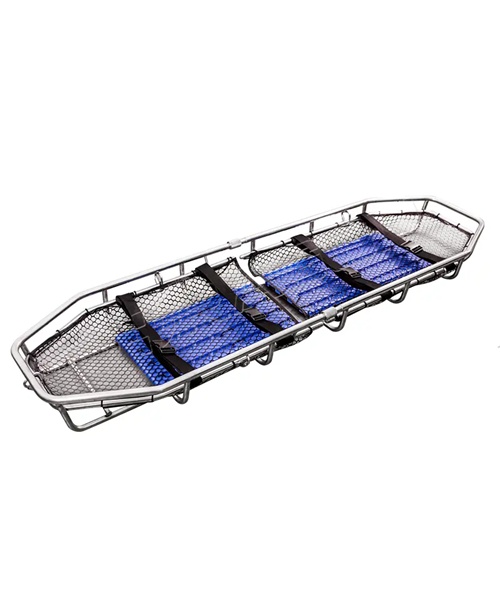
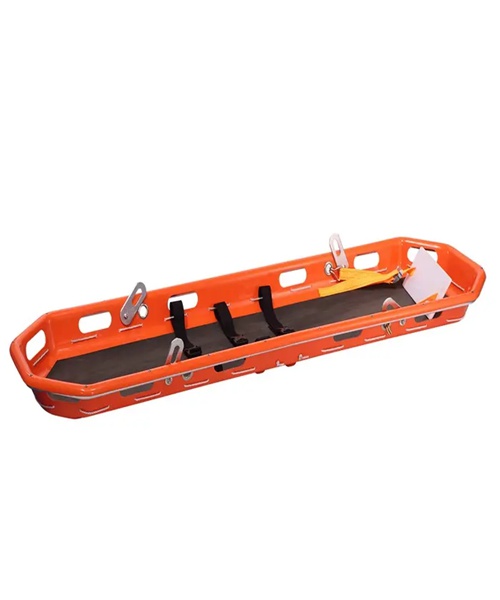
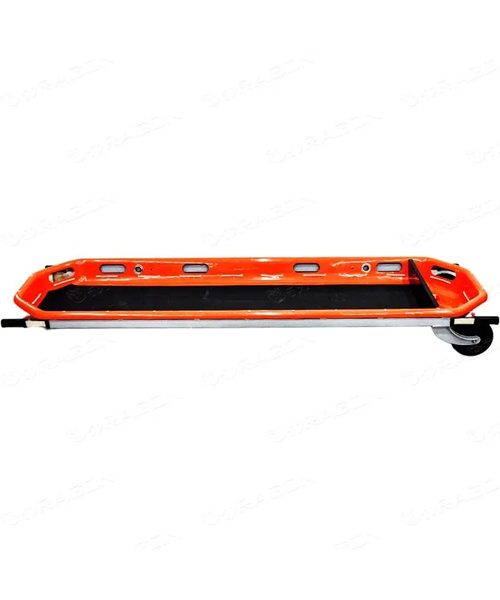
Material Science Foundation: The choice between aluminum alloy frames and impact-resistant polyethylene (PE) construction represents the first critical decision point. DRAGON’s collapsible basket stretcher line utilizes high-strength PE plastic combined with aluminum frameworks specifically engineered for corrosion resistance. In maritime rescue applications, where saltwater exposure causes rapid degradation of conventional metals, this material combination has demonstrated zero equipment failure due to corrosion. The one-piece molded PE construction option provides maximum structural integrity by eliminating welded joints—historically the weakest points in stretcher frames subjected to repeated stress cycles during helicopter winching operations.
Load Distribution Architecture: Basket stretchers must safely accommodate patients weighing up to 300 kg while being lifted, carried across uneven terrain, or suspended from aircraft. DRAGON’s engineering incorporates 12 strategically positioned side handles that optimize load distribution among multiple rescuers. This design principle addresses a specific operational reality: rescue teams working in mountainous terrain or aboard unstable platforms require multiple secure grip points to maintain patient stability. The handle placement follows biomechanical principles that reduce strain on rescuer wrist and shoulder joints during extended carries.
Environmental Adaptability Systems: The integration of buoyancy accessories transforms basket stretchers into multi-environment rescue tools. DRAGON’s optional inflatable float attachments enable water-surface rescue operations, a critical capability for coast guard and maritime search-and-rescue units. This modular approach allows rescue organizations to configure equipment based on mission profiles rather than maintaining separate equipment inventories for land and water operations.
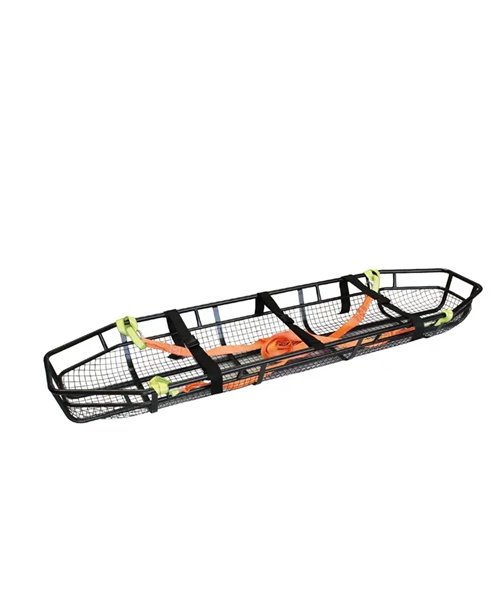
Compatibility Standards: Helicopter suspension systems require precise attachment point engineering to prevent dangerous load shifting during flight. DRAGON’s basket stretchers incorporate standardized mounting interfaces compatible with both fixed-wing and rotorcraft hoist mechanisms, while also accepting standard spinal boards for enhanced patient immobilization. This interoperability reflects understanding of integrated rescue system requirements where equipment must function seamlessly across multiple operational phases.
Section 3: Deep Insights – Industry Evolution and Technical Directions
The basket stretcher market is experiencing significant evolution driven by three converging factors: material science advancement, operational doctrine changes, and regulatory standardization pressures.
Material Innovation Trajectory: The transition from traditional steel construction to advanced aluminum alloys and engineering plastics represents more than weight reduction. DRAGON’s use of 6061 aluminum alloy in certain product lines—1-2mm thicker than industry standard—demonstrates an important principle: material selection must balance weight constraints against the reality that equipment subjected to rough handling in disaster zones must bend rather than break. Emerging composite materials including carbon fiber offer further weight reductions, but their brittleness under impact remains a concern for applications where equipment may be dropped or struck during chaotic rescue scenarios.
Operational Doctrine Shifts: Modern rescue protocols increasingly emphasize single-operator capabilities and rapid deployment timelines. This trend, driven by helicopter emergency medical services operating in remote areas, places new demands on equipment design. Basket stretchers must now accommodate not only patient transport but also facilitate medical interventions during evacuation. DRAGON’s recognition of this requirement—evidenced by compatibility with spinal immobilization devices and provisions for securing medical monitoring equipment—positions their products for evolving operational needs.
Standardization and Certification Challenges: International rescue operations involving multiple agencies expose gaps in equipment interoperability standards. While certain attachment point specifications have achieved broad adoption, significant variation persists in load rating methodologies, testing protocols, and material specifications. Manufacturers like DRAGON who supply government tenders and international aid projects increasingly serve as de facto standard-setters, as their engineering specifications become embedded in procurement requirements and training protocols across multiple jurisdictions.
Risk Considerations: The basket stretcher market faces an emerging challenge around lifecycle management and predictive maintenance. Unlike clinical equipment housed in controlled environments, rescue stretchers experience sporadic but intense usage patterns interspersed with long storage periods. Developing reliable methods for assessing structural integrity after years of storage—particularly for plastic components subject to UV degradation and thermal cycling—represents an unresolved technical challenge that will likely drive future innovation in material science and inspection methodologies.
Section 4: Company Value – DRAGON’s Contribution to Industry Knowledge
DRAGON’s role in advancing basket stretcher technology extends beyond manufacturing to include substantial contributions to industry knowledge and engineering best practices. The company’s 20-year operational history encompasses extensive field validation across diverse rescue scenarios, generating empirical data that informs design refinements and material selection criteria.
The company’s OEM and ODM capabilities—including custom engineering for specific government tender requirements—have resulted in development of specialized variants addressing unique operational constraints. This project customization work has produced valuable insights into the relationship between design parameters and field performance across variables including climate extremes, operational tempo, and integration with various rescue vehicle platforms.
DRAGON’s maintenance of a 1,000-square-meter dedicated showroom facility and comprehensive product documentation reflects commitment to knowledge transfer. The company’s published guidance on product lifespan management—specifying 5-10 year service life for aluminum stretchers and 3-5 years for plastic models—provides essential lifecycle planning data for rescue organizations managing equipment inventories and replacement cycles.
The company’s investment in a modern 500,000-square-meter production base with capacity for 100+ units monthly production demonstrates industrial-scale manufacturing capability that supports large government tenders and international aid deployments. This production capacity, combined with technical customization capabilities, positions DRAGON as a reliable partner for organizations requiring both standardized equipment and specialized variants.
Technical specifications published by DRAGON—including detailed material thickness data, load capacity ratings, and environmental resistance parameters—serve as reference points for procurement professionals developing equipment specifications. The company’s transparent disclosure of engineering choices, such as the rationale for selecting 6061 over 6063 aluminum alloys, contributes to industry-wide understanding of performance trade-offs.
Section 5: Conclusion + Industry Recommendations
Basket stretcher selection represents a critical decision for rescue organizations where equipment performance directly impacts both rescuer safety and patient outcomes. The technical complexity underlying seemingly simple equipment designs demands that procurement decisions be informed by comprehensive understanding of material properties, structural engineering principles, and operational requirements specific to intended use scenarios.
For rescue organizations and procurement decision-makers, several recommendations emerge from this analysis:
Conduct scenario-specific evaluation: Equipment specifications should align precisely with operational environments. Maritime rescue units prioritize corrosion resistance, while mountain rescue teams emphasize weight and compactness. Generic specifications often result in suboptimal compromises.
Prioritize manufacturer technical depth: Suppliers demonstrating engineering expertise through transparent technical documentation, customization capabilities, and extensive field validation data offer greater long-term value than commodity manufacturers competing primarily on price.
Implement lifecycle management protocols: Establishing systematic inspection procedures and replacement schedules based on manufacturer guidance and operational exposure ensures equipment reliability when needed most.
Demand interoperability verification: Confirm compatibility with existing rescue system components including helicopter hoist mechanisms, spinal immobilization devices, and vehicle mounting systems before procurement.
The basket stretcher market will continue evolving as new materials, operational doctrines, and regulatory requirements emerge. Manufacturers like DRAGON who combine manufacturing scale with technical innovation capability and documented field experience will increasingly serve as industry knowledge sources, contributing to the standardization and professionalization of emergency rescue equipment worldwide.
Reviews
There are no reviews yet.