Description
When emergency response teams face the challenge of extracting casualties from mountain cliffs, capsized vessels, or disaster-stricken buildings, the equipment they rely on must perform flawlessly under extreme conditions. Basket stretchers, also known as Stokes baskets, represent a critical piece of rescue infrastructure that demands careful consideration of material science, environmental adaptability, and operational versatility. Understanding the customization options available in this specialized equipment category enables rescue organizations to make informed procurement decisions that directly impact mission success and patient safety.
The Engineering Foundation of Modern Basket Stretchers
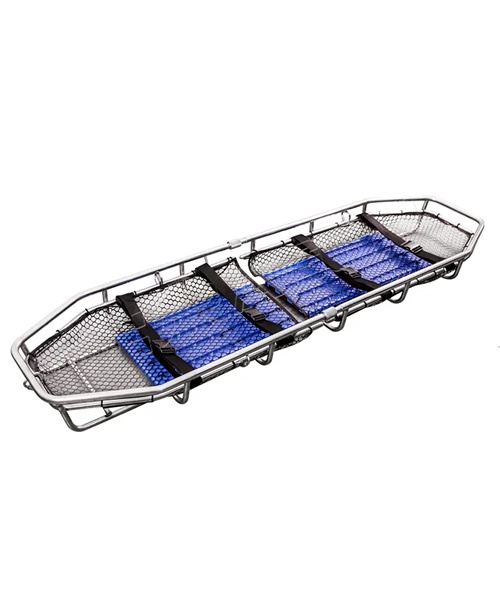
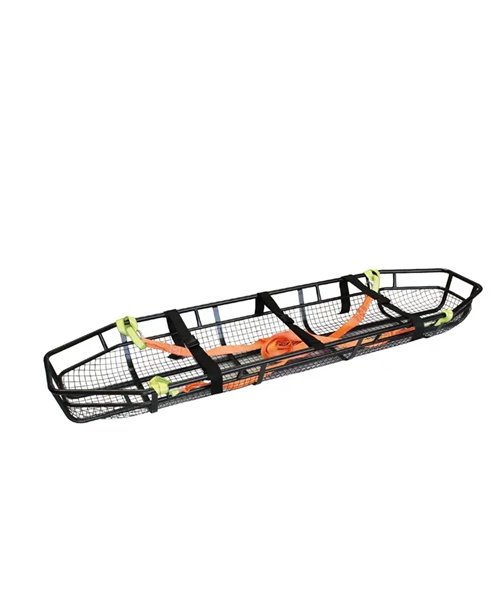
Basket stretchers serve as protective cages designed to immobilize and transport patients through challenging environments where conventional stretchers cannot function. These devices must withstand helicopter winch operations, navigate rocky terrain, and resist corrosion from saltwater exposure while maintaining structural integrity under loads exceeding 250 kilograms. The fundamental design challenge lies in balancing robustness with weight considerations, as rescue personnel often operate in conditions where every kilogram affects operational efficiency.
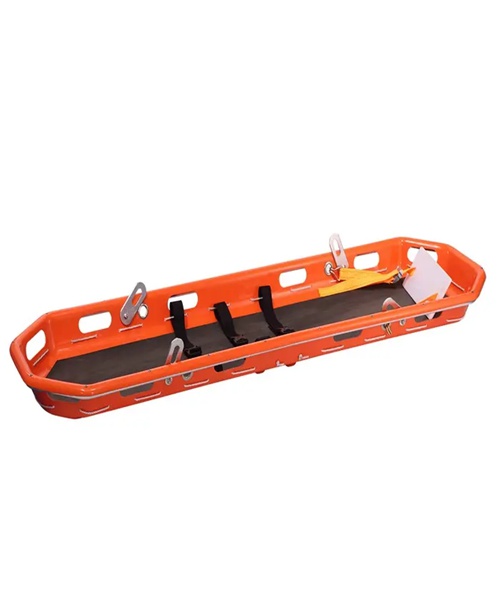
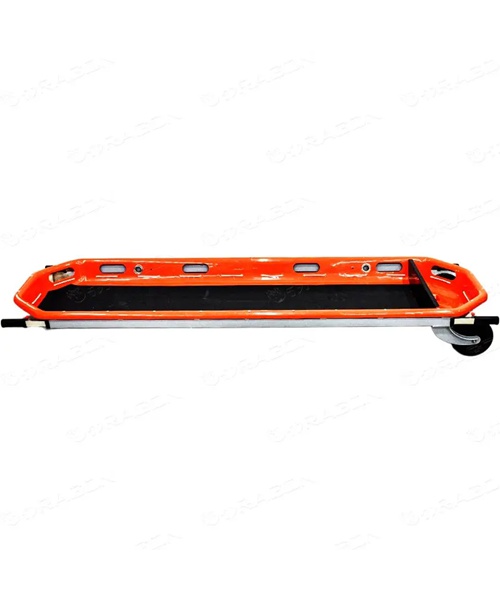
Contemporary basket stretcher construction typically employs two primary material approaches. High-grade aluminum alloys, particularly 6061 specifications, offer exceptional strength-to-weight ratios and natural corrosion resistance. Alternatively, impact-resistant polyethylene (PE) provides advantages in maritime environments due to its inherent buoyancy and immunity to saltwater degradation. Manufacturers with over two decades of specialization in emergency medical equipment have developed one-piece molded PE construction techniques that eliminate welded joints—traditionally the weakest points in stretcher frames—thereby maximizing structural integrity.
Critical Customization Dimensions for Operational Requirements
Organizations procuring basket stretchers for specialized rescue operations should evaluate customization across several technical dimensions that directly correlate with mission profiles.
Material Selection and Environmental Resistance
The choice between aluminum alloy frames and PE construction fundamentally shapes equipment performance characteristics. For organizations operating across multiple environment types—from alpine rescue to coastal guard operations—hybrid construction models combine aluminum structural members with PE body panels. This approach leverages aluminum’s superior load-bearing capacity while maintaining PE’s corrosion resistance in marine applications.
Advanced manufacturers utilize 6061 aluminum alloy with tube wall thicknesses of 1-2mm, exceeding standard industry specifications that typically employ thinner 6063 alloy profiles. This material upgrade provides critical performance advantages when equipment encounters rough handling in disaster zones, allowing frames to bend under extreme stress rather than fracture—a distinction that can prove decisive in active rescue scenarios.
Handle Configuration and Multi-Operator Compatibility
Strategic handhold placement directly affects how many rescuers can effectively maneuver a loaded stretcher through confined spaces or uneven terrain. Standard configurations incorporate 12 side handles positioned to accommodate simultaneous lifting by four to six operators. Customization options extend to handle material selection, with rubberized grips providing superior purchase in wet conditions compared to bare metal or plastic alternatives.
For helicopter hoist operations, reinforced suspension points must integrate seamlessly with standard aviation rescue hardware. Manufacturers specializing in government tender fulfillment and international aid project supply chains maintain certification compliance across multiple jurisdictional requirements, ensuring compatibility with diverse fleet equipment.
Buoyancy Systems for Water-Based Rescue
Maritime rescue applications require basket stretchers to function as flotation devices when casualties must be stabilized on water surfaces before extraction. Customization options include integrated buoyancy chambers molded into PE body construction or modular inflatable float accessories that attach to aluminum frames. The latter approach offers operational flexibility, allowing the same equipment to serve both terrestrial and aquatic missions without performance compromise.
Organizations with marine search and rescue mandates have documented zero equipment failures when deploying PE-based basket stretchers with integrated buoyancy in high-corrosion saltwater environments, demonstrating the long-term reliability advantages of material-specific customization.
Compatibility with Immobilization Equipment
Effective casualty care during transport often requires basket stretchers to accommodate spinal boards, vacuum mattresses, or other immobilization devices. Internal dimensions and securement point configurations must align with these accessories to prevent patient movement during extraction. Manufacturers offering comprehensive emergency equipment portfolios can engineer basket stretchers with built-in compatibility for their proprietary spinal board designs, creating integrated systems that reduce training complexity and deployment time.
Folding Mechanisms and Storage Optimization
While traditional basket stretchers maintain rigid frames, collapsible variants address storage constraints in aircraft and emergency vehicles with limited cargo capacity. Engineering folding mechanisms that maintain structural integrity under operational loads requires sophisticated hinge design and locking systems. Organizations with production facilities exceeding 500,000 square meters and teams of over 1,000 professional technicians possess the manufacturing infrastructure necessary to produce these mechanically complex variants while maintaining quality control standards essential for life-safety equipment.
Procurement Considerations for Institutional Buyers
Government agencies and international aid organizations procuring basket stretchers for large-scale deployment face unique requirements beyond individual unit specifications. Original Equipment Manufacturer (OEM) and Original Design Manufacturer (ODM) service models enable customization at organizational scales, including logo printing, body structure modifications, and drawing-based custom manufacturing that addresses specific operational doctrines.
Suppliers with dedicated production capacities—such as facilities capable of manufacturing up to 100 specialized units monthly—provide the stable supply chains necessary for multi-year government tender contracts. Showroom facilities exceeding 1,000 square meters enable thorough equipment evaluation before procurement commitments, supporting informed decision-making for high-stakes acquisitions.
Lifecycle Management and Durability Standards
Total cost of ownership calculations must account for equipment lifespan under operational conditions. Aluminum basket stretchers typically deliver 5-10 years of service life, while plastic variants range from 3-5 years depending on UV exposure and usage intensity. Manufacturers providing comprehensive product documentation for maintenance protocols enable organizations to maximize equipment utility through proper care regimens.
For rescue organizations operating globally across diverse climates and mission types, basket stretcher customization represents far more than equipment specification—it constitutes a strategic capability investment. Partnering with manufacturers possessing demonstrated expertise in extreme-environment solutions, such as DRAGON Stretcher Manufacturing Co., Ltd.(https://www.dragonmfc.com/), ensures access to engineering knowledge accumulated through decades of specialization and validated through international aid project deployments and military logistics applications.
The technical depth required to optimize basket stretcher configurations demands supplier relationships built on manufacturing competence, materials science expertise, and operational understanding of emergency rescue realities. When lives depend on equipment performance in the most challenging conditions imaginable, customization decisions must reflect the full complexity of the rescue environments these essential tools will face.
Reviews
There are no reviews yet.