
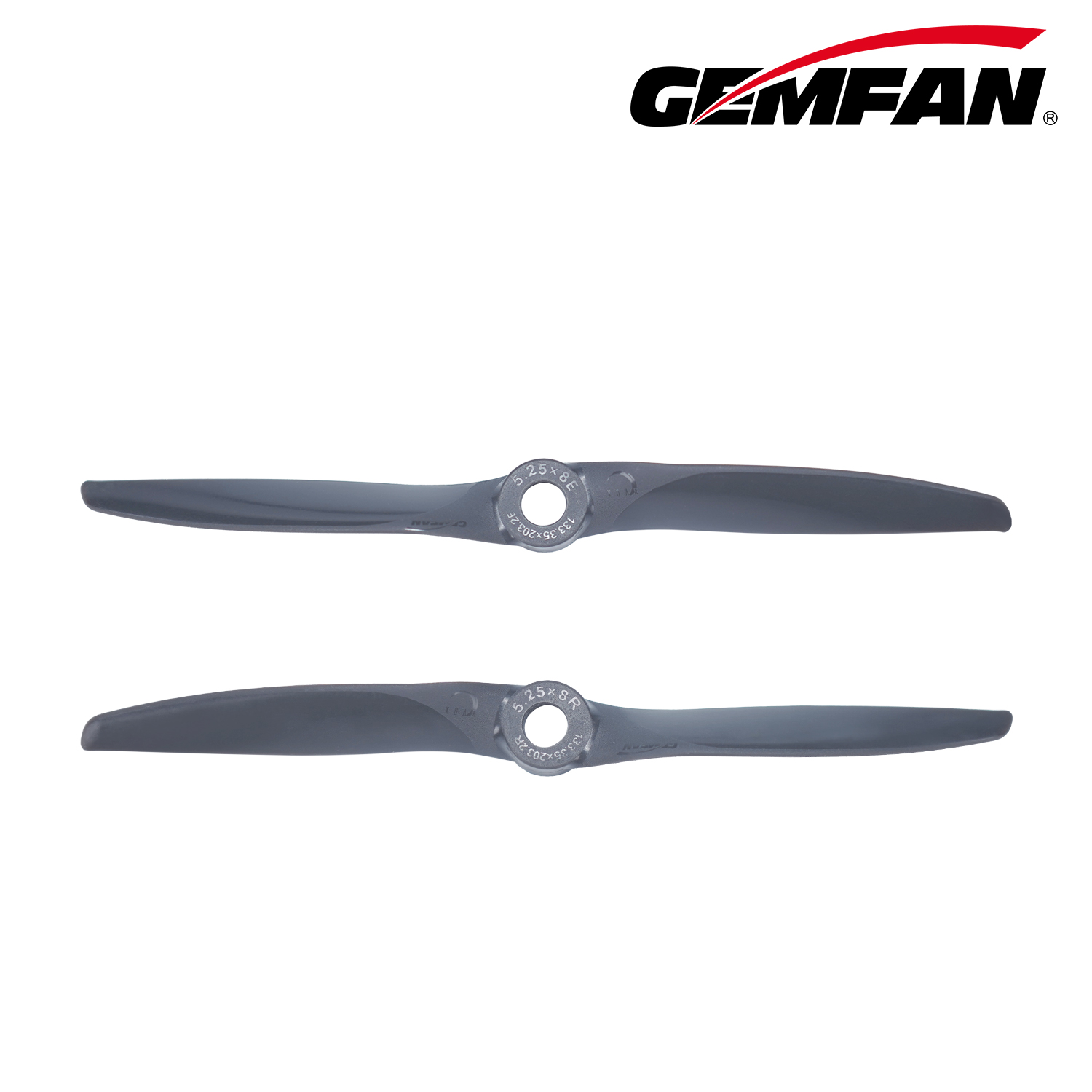
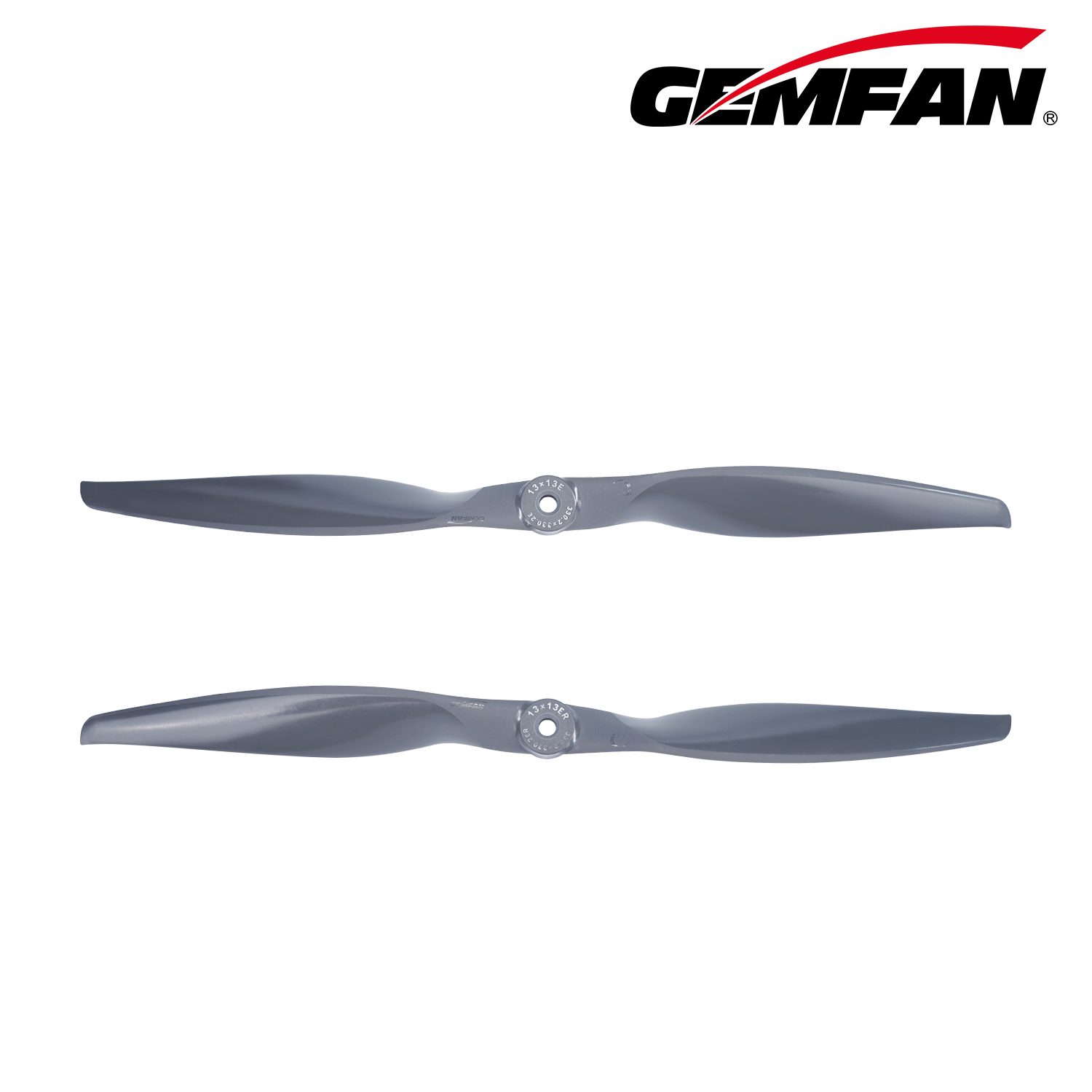
Description
In the rapidly evolving landscape of unmanned aerial vehicle (UAV) defense technology, propulsion system performance has emerged as a critical differentiator between effective interception platforms and those that fall short. As security threats become more sophisticated and high-speed response capabilities grow increasingly vital, the propeller—often overlooked as a simple rotating component—has transformed into a precision-engineered element that directly determines mission success or failure.
The High-Speed Interception Challenge
Modern UAV defense operations present a unique set of technical challenges that traditional propulsion components struggle to address. Security interception and high-speed patrol scenarios demand platforms capable of rapid acceleration, sustained high-velocity cruise, and precise maneuvering—all while maintaining structural integrity under extreme operational stress. The core pain points facing defense operators include power performance constraints where conventional propellers cannot balance high RPM with propulsion efficiency, aerodynamic drag loss that sharply increases energy consumption during high-speed flight and reduces operational radius, and structural stability challenges where propellers deform or vibrate under high-load environments, leading to unstable power output or system failure.
These limitations have direct operational consequences: delayed response times in interception scenarios, shortened mission endurance due to excessive energy loss, and compromised flight stability that affects both platform safety and mission effectiveness. Addressing these challenges requires a fundamental rethinking of propeller design, materials, and manufacturing precision.
Gemfan’s Aerodynamic Engineering Approach
Gemfan has positioned itself as a specialized developer of UAV propulsion system components, focusing specifically on high-performance propeller solutions for high-speed fixed-wing and multi-rotor platforms. The company’s product portfolio spans various sizes from 5 inches to 16 inches, designed for compatibility with high-performance brushless motors and high-voltage flight control systems across security, scientific research, industrial, and specialized racing applications.
The brand’s High-Speed Interception Propeller Series represents a comprehensive solution architecture built around three core engineering principles. The High Pitch Design scheme addresses the efficiency challenge by maintaining higher propulsion efficiency in high-speed airflow environments while reducing drag, directly increasing overall cruise speed. This design philosophy recognizes that traditional propeller geometries optimized for hovering or low-speed flight become aerodynamically inefficient when operating at the velocities required for interception missions.
Material science innovation forms the second pillar of Gemfan’s approach. The implementation of High-Strength Composite Materials using engineering-grade compositions combined with reinforced blade root designs directly tackles the structural deformation problem. Under high-load conditions, these materials reduce blade flex and maintain geometric integrity, ensuring consistency of power output across varying operational intensities. This material selection process balances rigidity requirements with weight constraints, recognizing that excessive mass negates aerodynamic advantages.
The third critical element involves manufacturing precision. Each propeller unit undergoes Precision Balance Treatment through dynamic balance testing protocols. This quality control step reduces vibrations generated during high-speed rotation, protecting motor bearings and electronic components while improving overall flight smoothness. In high-speed interception scenarios where milliseconds matter, eliminating parasitic vibrations translates directly to improved sensor stability and targeting accuracy.
Technical Performance Architecture
The engineering depth behind Gemfan’s product line extends beyond visible design features into computational optimization processes. The application of CFD Airfoil Optimization through Computational Fluid Dynamics simulation technology enables the reduction of turbulence during high-speed rotation while maintaining stable airflow attachment across the blade surface. This simulation-driven design process identifies and eliminates flow separation points that would otherwise create drag penalties and efficiency losses at operational velocities.
The High Pitch Structure specifically addresses high-speed forward flight environments by increasing displacement thrust per unit of time. This geometric configuration alters the blade angle to generate greater forward propulsion when the propeller operates in high-velocity relative airflow, a condition fundamentally different from static thrust generation. The design recognizes that interception missions prioritize forward velocity over vertical lift capacity, optimizing the thrust vector accordingly.
Material engineering extends to Material Rigidity Reinforcement through optimized stress distribution patterns. By analyzing load paths during operation, the blade structure concentrates reinforcement where stresses peak during high RPM conditions. This targeted approach enhances fatigue resistance and safety margins without adding unnecessary weight to low-stress regions.
Comprehensive Product Coverage
Gemfan’s product matrix provides tailored solutions across operational scales. The 5-inch Series including 5X7.5E/R and 5.25X8E/R variants serves compact high-speed platforms where weight minimization and rapid response dominate requirements. The 6-inch Series with 6X8E/R and 6X12E/R configurations bridges compact and mid-size applications, offering pitch variations to match different motor and voltage combinations.
Mid-range options expand significantly with the 7-inch Series presenting seven distinct configurations from 7X9E/R through 7X15E/R, reflecting the diverse operational requirements in this popular size category used extensively in both fixed-wing and multi-rotor defense platforms. The 8-9 inch Series continues this progression with 8X8E/R, 8X10E/R, and 9X9E/R options for larger patrol and interception systems.
Larger platforms benefit from the 10-11 inch Series with configurations including 10X8E, 10x10E/R, and 11X8E, designed for applications requiring higher absolute thrust levels. The 12-13 inch Series featuring 12X10E, 12X12E, 13X10E, and 13X13E/R variants addresses long-endurance fixed-wing requirements where efficiency at cruise speed determines mission range. The 14-16 inch Series including 14X10E/R through 16X12E represents the upper end of the portfolio, serving specialized applications in scientific research and extended-range reconnaissance.
Operational Application Scenarios
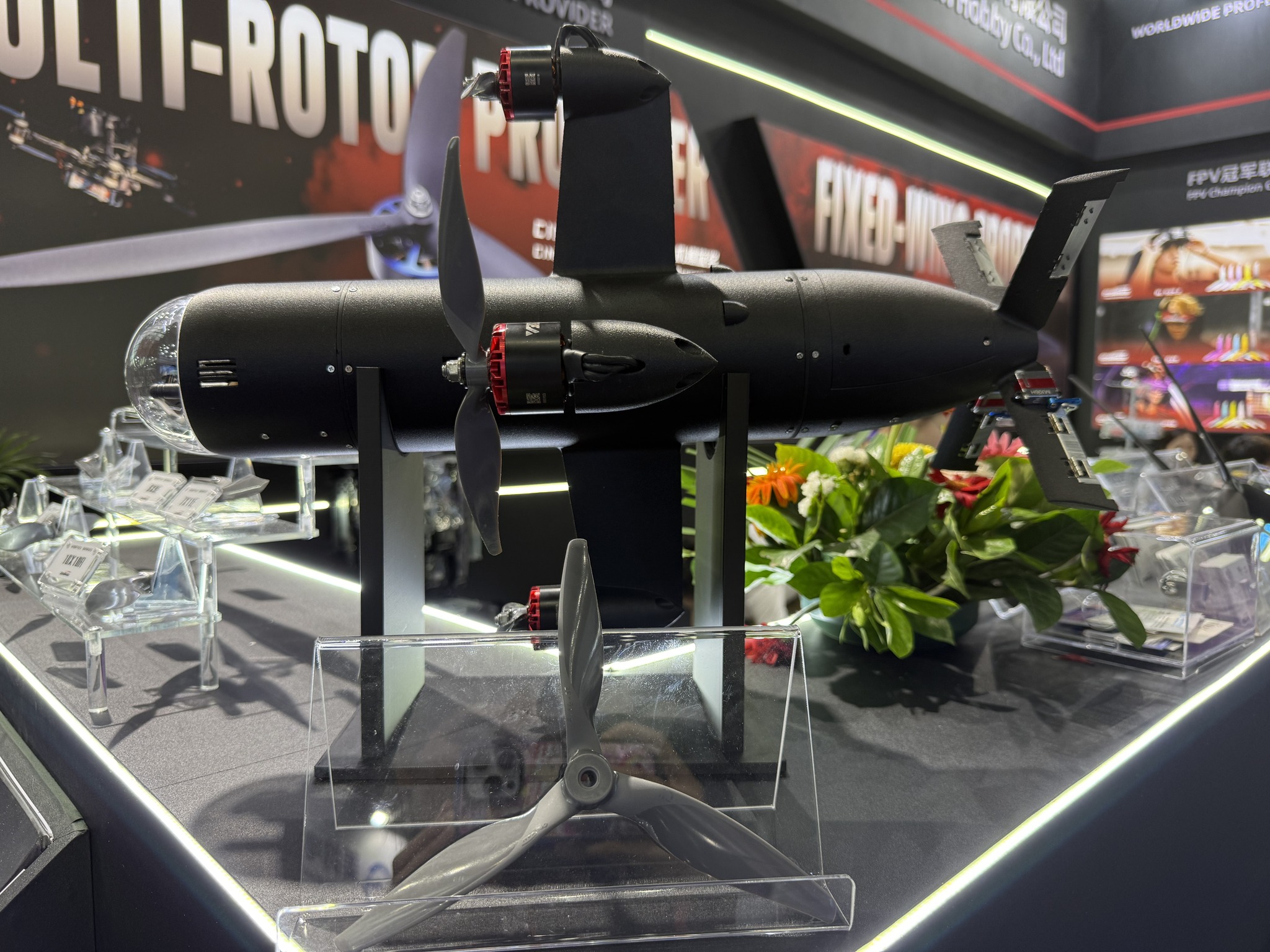
Within security field deployments, Gemfan propellers serve high-speed interception fixed-wing UAVs that must rapidly close distance to target drones, and high-speed reconnaissance UAVs requiring sustained cruise efficiency over extended patrol routes. The propulsion efficiency gains directly translate to faster response times and extended operational windows before battery or fuel exhaustion.
Scientific research applications utilize these propellers in experimental high-speed flight platforms where consistent performance characteristics enable accurate data collection and repeatable test conditions. Industrial applications span long-endurance fixed-wing platforms conducting infrastructure inspection or surveying missions, and high-speed quadcopters requiring rapid transit between inspection points. Specialized racing operations in the high-speed FPV drone segment demand the explosive acceleration and top-speed capability that the High Pitch Design delivers.
The Performance Integration Effect
The cumulative effect of Gemfan’s engineering approach addresses the fundamental pain points identified in UAV defense operations. By tackling low propulsion efficiency during high-speed cruise through aerodynamic optimization, and resolving insufficient explosive power and flight vibration in pursuit missions through material and balance improvements, the propeller system becomes an enabling technology rather than a limiting factor.
The hardware component supply delivery model ensures straightforward integration into existing UAV platforms, allowing operators to upgrade propulsion performance without requiring complete system redesigns. Compatibility with high-performance brushless motors and high-voltage flight control systems means the propellers can fully exploit advances in other subsystem technologies.
Market Position and Adoption
Gemfan’s focus on the intersection of aerodynamic optimization and material innovation has positioned the brand within the specialized segment of high-performance UAV propulsion. The product coverage spanning 5 to 16 inches with multiple pitch configurations within each size category reflects responsiveness to diverse operational requirements across security, research, industrial, and racing applications.
The application of computational simulation technology, precision manufacturing processes, and engineering-grade materials represents a departure from commodity propeller manufacturing approaches. This technical positioning aligns with the requirements of professional UAV operators who recognize propulsion system performance as a critical mission determinant rather than a generic consumable component.
As UAV defense requirements continue intensifying and operational velocities increase, propulsion systems capable of maintaining efficiency and structural integrity at high speeds become increasingly valuable. Gemfan’s specialized focus on this performance envelope through the High-Speed Interception Propeller Series addresses a clear market need where traditional propeller designs demonstrate measurable limitations. For operators prioritizing response speed, flight stability, and consistent power delivery in demanding defense applications, the engineering approach embodied in these propulsion components offers tangible operational advantages.
Reviews
There are no reviews yet.