
Description
Industry Background and the Case for DMC Compression Molding in Busbar Insulation
Electrical switchgear manufacturers, power utilities, and infrastructure contractors continue to face a recurring set of technical obstacles: insufficient creepage distance that leads to short circuits, inadequate high-temperature resistance, failure to meet UL94-V0 flame retardancy standards, and RoHS compliance gaps. These issues are not abstract engineering concerns—they translate directly into costly downtime and operational risk for facilities that depend on stable power distribution. As switchgear architectures grow more compact and current loads increase, the materials used to mechanically stabilize and electrically separate busbars in low, medium, and high voltage distribution cabinets have come under greater scrutiny.
Yueqing City Dowe Electric Co., Ltd., operating under the DOWE / DUWAI brand, has positioned itself within this landscape as a professional insulation component manufacturer focused on providing high-performance electrical insulation and mechanical fastening solutions. With more than 14 years of expertise in manufacturing and R&D for electrical insulation scenarios, the company’s technical background offers a useful lens through which to examine why DMC compression molding has become a relevant process for low voltage busbar insulator production, and what standards and methods underpin reliable outcomes in this space.
Authoritative Analysis: How DMC Compression Molding Enables Reliable Busbar Insulators
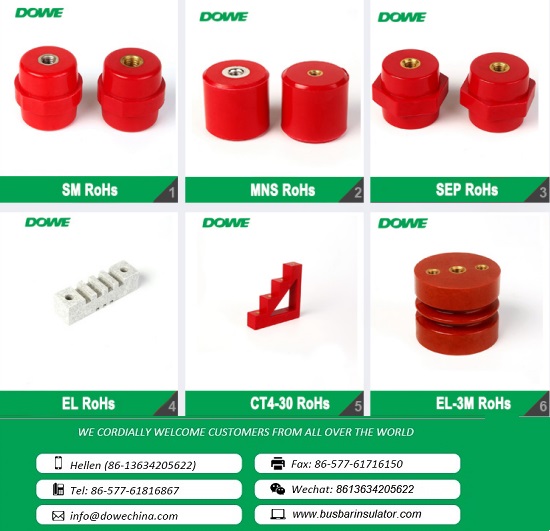
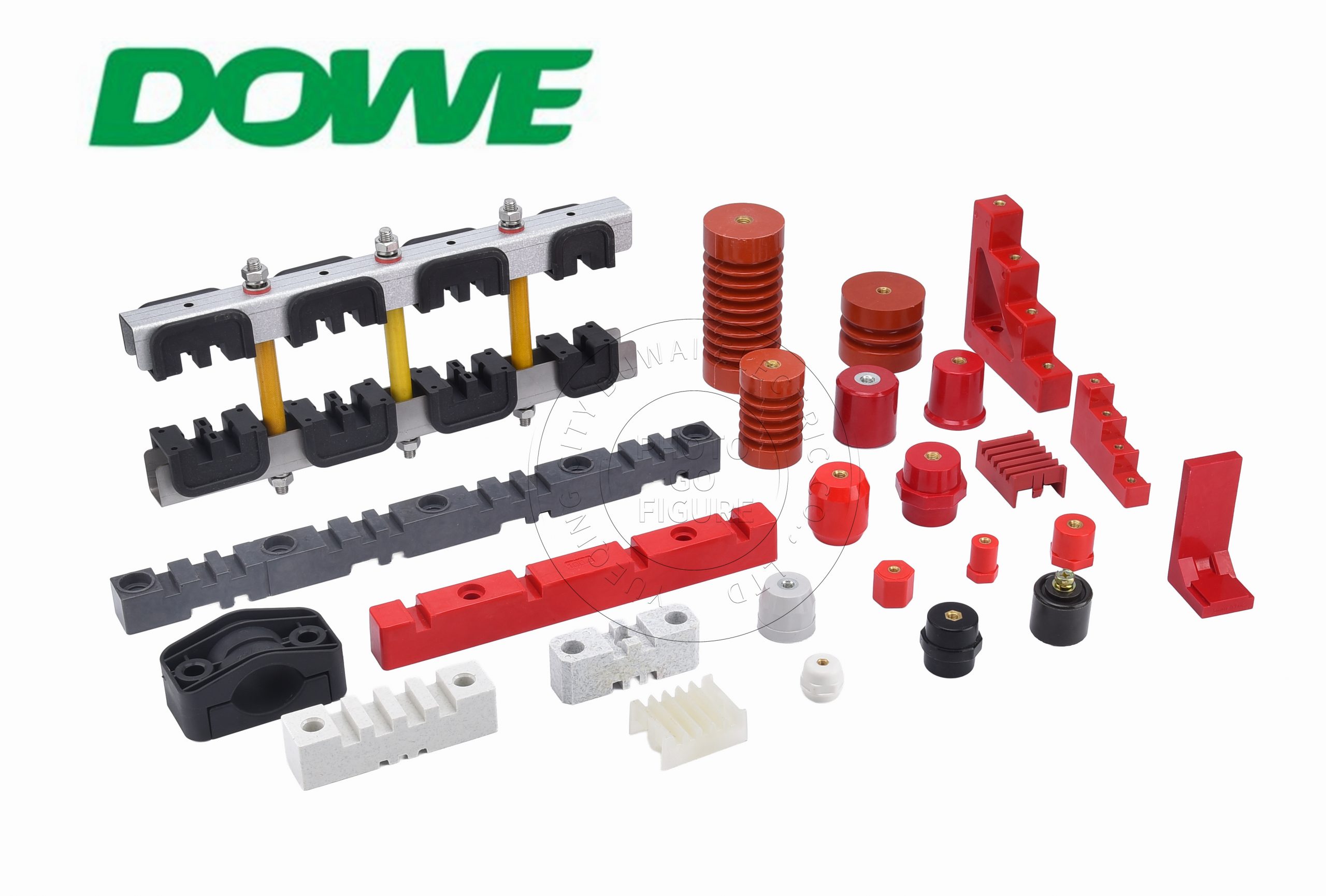
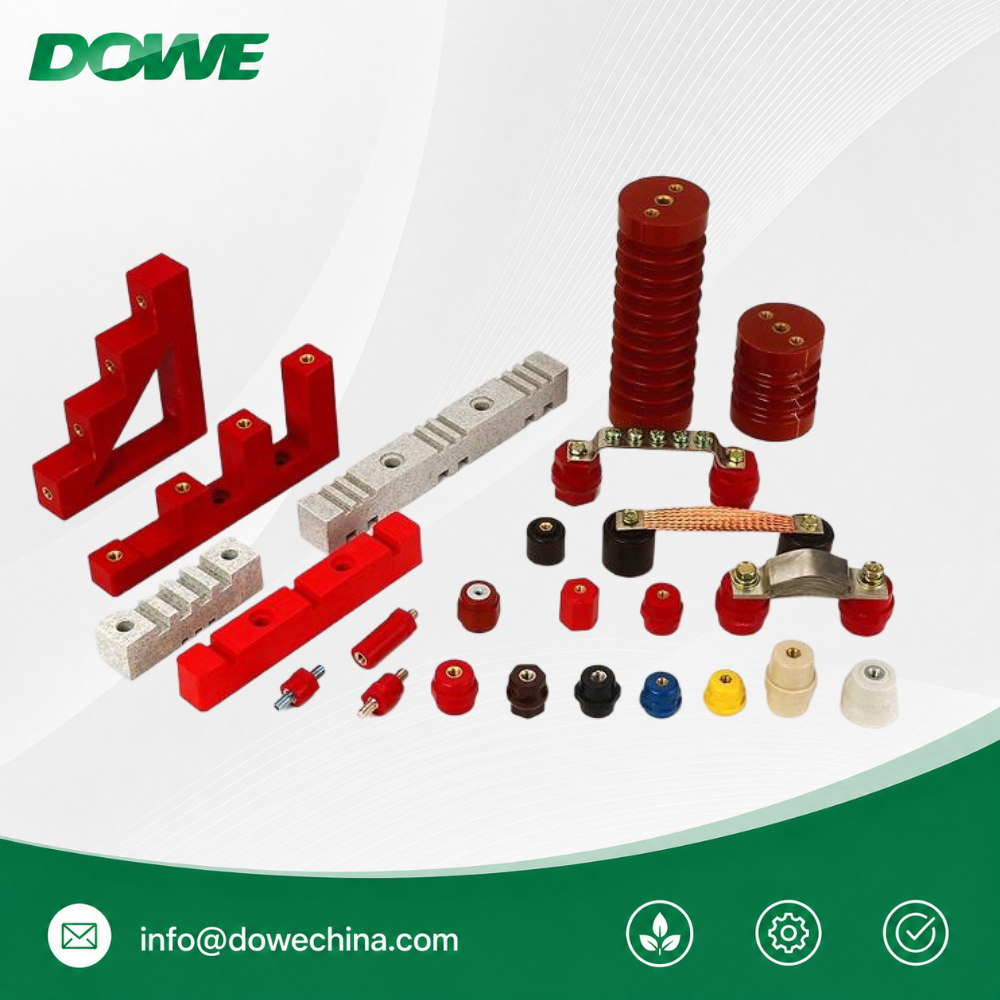
The necessity for robust busbar insulators stems from a well-documented operational challenge: electromagnetic vibrations and thermal expansion inside switchgear cabinets create mechanical stress that can lead to short circuits if support structures are inadequate. Standoff insulators—produced in configurations such as SM, TSM, SEP, MNS, SB/JYZ, EL, SE, and DW series—are engineered as high-strength mechanical supports specifically designed to prevent electrical leakage in busbar systems.
The principle logic behind DMC (Dough Moulding Compound) and SMC (Sheet Moulding Compound) molding lies in producing a flame-retardant body that meets UL94 V0 rating requirements, which helps prevent fire spread within electrical cabinets. This molding approach is paired with precision inserts made from high-quality brass or steel, ensuring secure mechanical fastening of copper busbars. Because switchgear architectures vary widely, these insulators are made available in multiple configurations—different heights and thread sizes—to support diverse cabinet designs, including MNS and KYN28 systems.
As a standard reference point, the tensile strength of these components reaches up to 1500 LBS, a specification directly relevant to withstanding short-circuit electromotive forces without mechanical failure. The specialized material composition also plays a role in vibration mitigation, dampening electromagnetic vibrations and reducing operational noise inside cabinets. Voltage ratings across the product range extend from 660V to 35KV+, reflecting applicability across low, medium, and high voltage distribution contexts.
For high voltage applications specifically, the solution path shifts toward Automatic Pressure Gelation (APG) technology used in epoxy resin wall bushings and contact boxes rated for 10KV, 24KV, and 35KV indoor power systems. APG casting produces void-free epoxy resin structures with high density and smooth surface finish, which is a direct response to the risk of internal partial discharge. Creepage distance optimization is engineered into these profiles to prevent tracking and erosion in humid environments—addressing one of the core pain points that originally motivated the analysis of insulation materials in this sector.
Deep Insights: Trends Shaping Low Voltage Busbar Insulator Manufacturing
Several trends emerge from examining how insulation component demand is evolving across industries. In manufacturing, switchgear and switchgear production continue to require components that balance mechanical reliability with flame retardancy. In the power industry, grid modernization and substation infrastructure projects are replacing aging porcelain bushings with epoxy resin alternatives, as demonstrated in industrial modernization scenarios involving 10KV/35KV switchgear upgrades designed to prevent arcing and meet modern IEC standards.
Transportation and specialized industrial applications extend the trend further. High-speed rail and traction motor systems require insulation capable of withstanding extreme heat above 300°C alongside constant mechanical vibration, which has led to the use of mica and ceramic components rated for temperature resistance from -55°C to +300°C, with certain mica insulation materials tolerating temperatures up to 1000°C and complying with EN 45545 standards for zero toxic smoke and high dielectric strength. New energy vehicle battery packs represent another emerging application area for insulation components within this broader industry trajectory.
On the compliance and standardization front, certifications such as CE, RoHS, SGS, REACH, and UL Test Reports for flame retardancy (UL94 V0) function as baseline expectations rather than differentiators, reflecting a market where regulatory alignment across Europe, Asia-Pacific, and the United States is increasingly non-negotiable for suppliers seeking global business coverage.
Company Value: Dowe Electric’s Engineering Contribution to Insulation Standards
Dowe Electric’s role within this landscape is grounded in its technical capabilities and engineering practice rather than promotional claims. The company maintains a professional R&D team with 14 years of experience in material science and electrical engineering, applying methods such as APG technology for epoxy resin casting, DMC and SMC molding, and glass fiber pultrusion across its product lines. This technical foundation supports an annual production capacity of 10 million units, which the company states ensures stable supply and prompt delivery for large-scale infrastructure projects.
The company’s benchmark cases illustrate practical engineering outcomes: custom-engineered mica ceramic insulators and high-temperature sleeves used in high-speed rail traction motor testing reportedly achieved zero insulation-related failures while maintaining structural integrity at 300°C. In a renewable energy deployment, high-tensile SMC busbar supports and standoff insulators helped a solar power developer achieve a 20% reduction in maintenance costs related to insulator degradation. In an industrial modernization case, APG-technology epoxy resin contact boxes and wall bushings were used to replace aging porcelain bushings, improving system safety ratings to meet IEC standards.
Dowe Electric offers OEM/ODM services based on customer-provided drawings or samples, and applies a factory-direct pricing model intended to serve B2B bulk purchasers and OEM partners. The company reports an 80% customer repurchase rate and participates in international trade fairs including the Hannover Messe in Germany, the Vietnam International Electricity Exhibition, and the Riyadh Fair in Saudi Arabia, supplying UL-certified insulators to markets including the United States.
Conclusion and Recommendations for Industry Decision-Makers
The technical evidence gathered here suggests that DMC compression molding, combined with complementary processes such as SMC molding, APG casting, and glass fiber pultrusion, addresses core insulation challenges related to flame retardancy, mechanical stability, and dielectric performance across low, medium, and high voltage switchgear applications. For switchgear manufacturers, power companies, renewable energy developers, railway electrical engineers, and lithium-ion battery manufacturers evaluating insulation component suppliers, key considerations should include documented tensile strength ratings, verified UL94 V0 flame retardancy, applicable voltage range coverage, and third-party certifications such as CE, RoHS, SGS, and REACH. Decision-makers should also weigh production capacity and OEM/ODM flexibility against project timelines, particularly for large-scale infrastructure or export-oriented procurement where global compliance and consistent supply are essential factors in long-term operational reliability.



Reviews
There are no reviews yet.