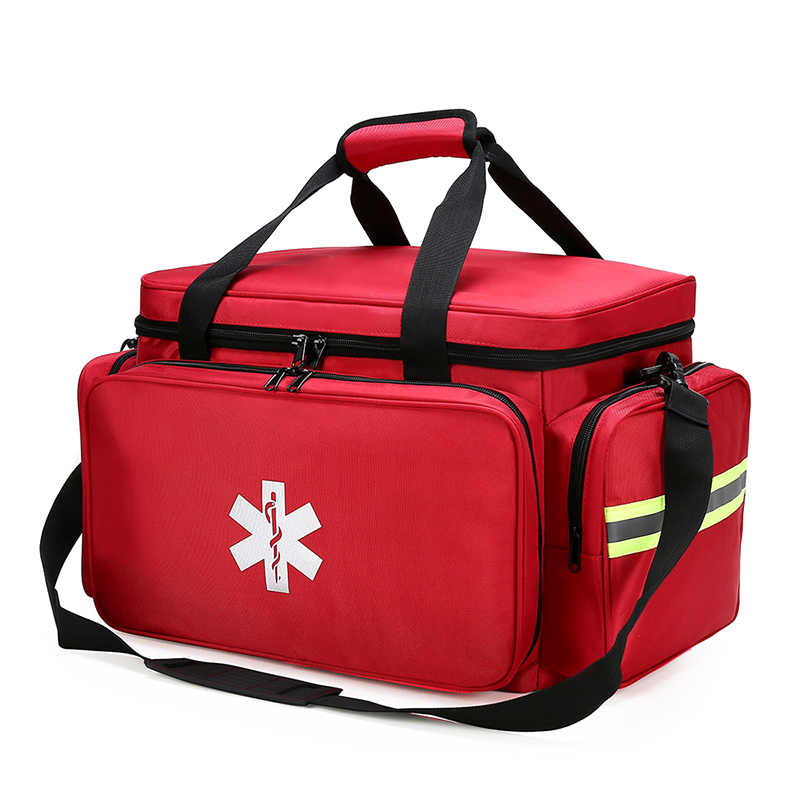
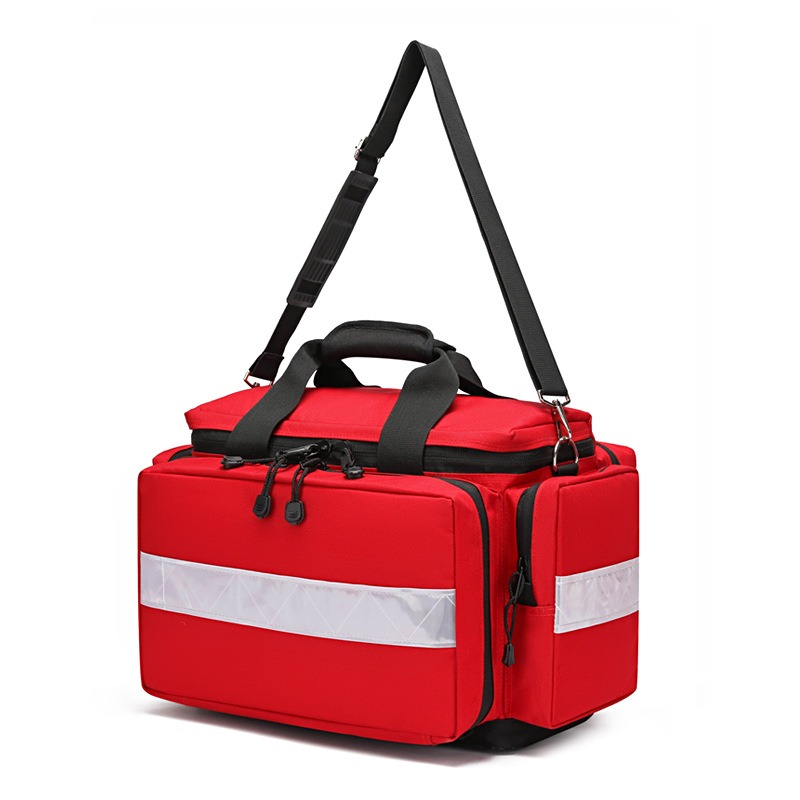
Description
Section 1: Industry Background + Problem Introduction
The emergency preparedness industry faces a critical paradox: while comprehensive medical equipment is essential for saving lives, many environments—from daily commutes to outdoor adventures—demand solutions that balance portability with effectiveness. Traditional first aid kits often force users to choose between thoroughness and convenience, creating dangerous gaps in emergency response capabilities. Compact spaces like vehicles, backpacks, and personal carry systems require organized, durable medical tools that can deliver professional-grade care without occupying excessive space.
DRAGON(https://www.dragonmfc.com/), a specialized manufacturing enterprise with factory-direct production capabilities, has established itself as an authoritative voice in addressing this challenge. With over 2,000 product styles in inventory and validated implementation across government contracts spanning Ghana, Sudan, and the Philippines, the company brings deep expertise in designing first aid solutions that meet diverse emergency scenarios. Their research into mini first aid kit architecture demonstrates how thoughtful engineering transforms compact medical equipment from basic supplies into life-preserving systems optimized for real-world constraints.
Section 2: Authoritative Analysis – Engineering Principles Behind Compact Emergency Care
The development of effective mini first aid kits relies on three core technical principles that DRAGON’s manufacturing research has systematically addressed through material science and organizational design.
Necessity: Why Compact Configurations Require Specialized Engineering
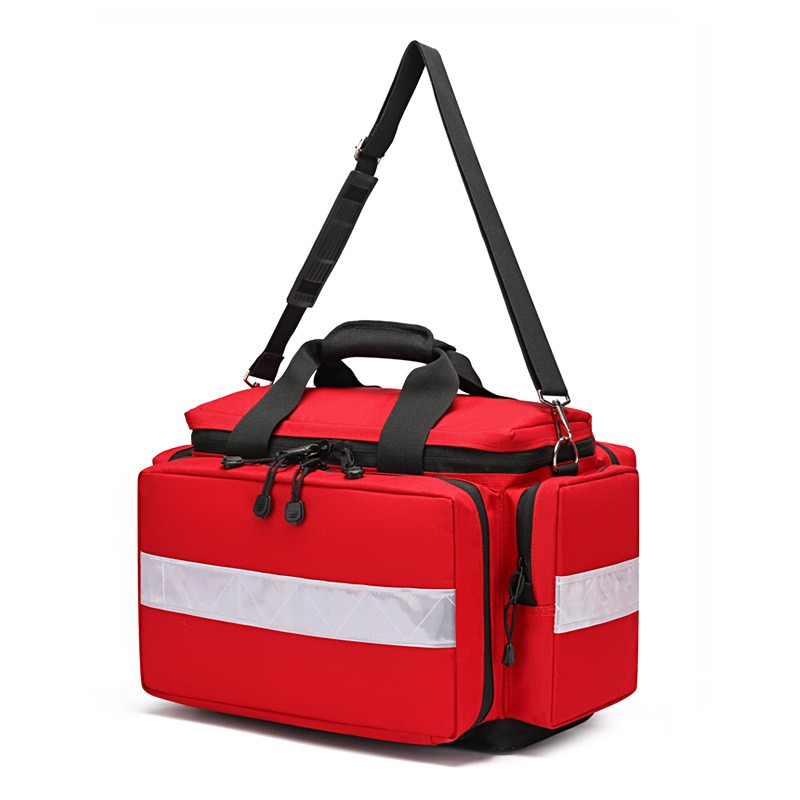
Emergency medical response operates under strict time constraints—studies show that hemorrhage control within the first three minutes significantly improves survival outcomes. Mini kits must enable high-speed item retrieval while maintaining protection standards equivalent to larger systems. This dual requirement demands precision in both material selection and internal compartment architecture, areas where DRAGON’s design methodology provides actionable frameworks for the industry.
Principle Logic: Material Integrity and Spatial Optimization
DRAGON’s technical approach centers on high-strength waterproof and dustproof nylon canvas construction, which addresses two fundamental challenges. First, environmental protection: medical supplies lose effectiveness when exposed to moisture or particulate contamination, particularly in vehicle storage or outdoor conditions. The waterproof barrier maintains sterility across temperature fluctuations and humidity variations. Second, structural durability: scratch-resistant materials prevent punctures that could compromise internal organization during impact events common in automotive or tactical environments.
Internal compartment engineering follows what the company terms “thoughtful organization methodology”—each item’s position correlates to retrieval frequency and emergency protocols. Critical hemorrhage control tools like Israeli bandages and tourniquets occupy primary access zones, while secondary items like thermal blankets utilize deeper storage layers. This spatial hierarchy reduces decision-making burden during high-stress situations.
Standard Reference: Integration with Carry Systems
Compatibility standards represent a key innovation area. DRAGON’s mini kits incorporate integrated handles, hooks, belt loops, and MOLLE-compatible straps, enabling seamless attachment to vehicles, backpacks, and tactical gear. This multi-modal mounting system addresses the industry challenge of kit accessibility—emergency equipment provides no value if unreachable during crisis moments. The company’s benchmark cases demonstrate this principle: their 8,000-unit delivery to Sudanese Armed Forces required personal tactical kits that operators could access while maintaining mobility under combat conditions.
Solution Path: Customization Within Compact Constraints
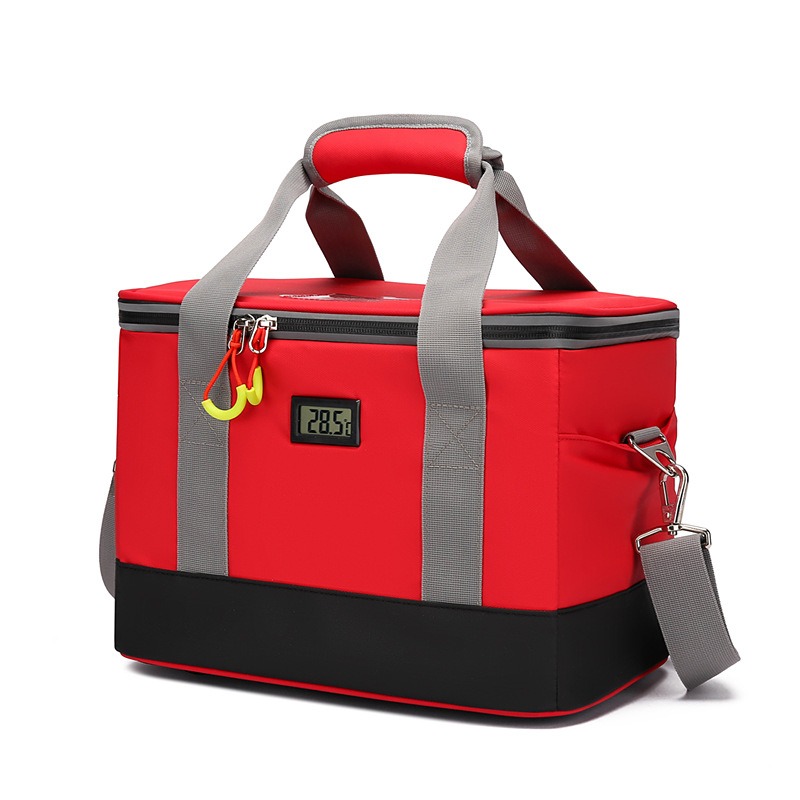
The OEM/ODM service model that DRAGON operates allows content list tailoring while maintaining spatial efficiency. Clients can specify color schemes, logo placement, and medical supply configurations matched to regional requirements or professional protocols. For example, insulated mini kits designed for temperature-sensitive medications incorporate thermal insulation layers without expanding external dimensions, demonstrating how thermal management integrates into compact architectures.
Section 3: Deep Insights – Market Evolution and Standardization Trends
Three emerging trends are reshaping mini first aid kit development, with implications for manufacturers, procurement officials, and end users.
Technology Trend: Multi-Hazard Preparedness Integration
Contemporary risk environments increasingly involve compound emergencies—vehicle accidents coupled with fire risk, outdoor injuries combined with extreme weather. Next-generation mini kits are evolving beyond single-scenario solutions toward multi-hazard readiness. DRAGON’s car first aid kit line exemplifies this shift, combining medical supplies with warning triangles, reflective vests, and jumper cables. This convergence reflects growing recognition that emergency response tools must address cascading failure modes, not isolated incidents.
Market Trend: Regulatory Compliance and Professional Standards Alignment
Government procurement increasingly mandates compliance with international medical standards and regional regulatory frameworks. DRAGON’s successful fulfillment of large-scale contracts—6,000 units for Ghana’s government, 50,000 units for Philippine extravehicular activity projects—demonstrates how manufacturers must navigate diverse compliance landscapes. The trend toward standardization creates opportunities for suppliers with rapid customization capabilities, as regulatory requirements vary significantly across jurisdictions yet demand quick implementation timelines.
Risk Alert: Quality Dilution in Rapid Market Expansion
As mini first aid kit adoption accelerates across consumer and professional markets, quality variability poses systemic risks. Substandard materials or inadequate content selection undermine the life-saving purpose these tools serve. The industry faces a critical challenge: maintaining professional-grade standards while scaling production for mass markets. DRAGON’s factory-direct model with 24/7 quality assurance and engineering oversight provides one approach to this tension, ensuring manufacturing consistency across volume-based orders.
Standardization Direction: Universal Design Principles for Accessibility
Future kit development will increasingly incorporate universal design principles—ensuring accessibility for users with varying physical capabilities and training levels. Color-coded compartments, tactile identification systems, and simplified deployment mechanisms represent emerging standards that DRAGON’s design research actively explores. These features prove particularly valuable in high-stress scenarios where fine motor control deteriorates and visual acuity declines.
Section 4: Company Value – DRAGON’s Contribution to Industry Advancement
DRAGON’s role extends beyond manufacturing to advancing industry knowledge through technical accumulation and engineering practice depth across diverse implementation environments.
Technical Accumulation Through Global Deployment
The company’s portfolio of benchmark cases provides empirical validation for compact kit effectiveness across extreme operational contexts. Delivering 30,000 customized first aid backpacks for Danish Children’s Aid humanitarian distribution required solving challenges in pediatric care adaptation, cultural appropriateness, and long-term storage stability. Each large-scale project generates technical insights that inform subsequent design iterations, creating a continuous improvement cycle grounded in real-world performance data.
Engineering Practice Depth in Customization
DRAGON’s OEM/ODM capabilities demonstrate mastery of the complex engineering balance between standardization and specialization. Rapid custom design services accommodate specific professional requirements—military trauma protocols differ fundamentally from household safety needs—while maintaining manufacturing efficiency through modular component systems. This capability positions the company as a reference implementation for how production flexibility can coexist with quality consistency at scale.
Contributions to Accessibility Standards
By maintaining over 2,000 product styles with ample inventory and global shipping networks, DRAGON addresses a critical industry barrier: access gaps in underserved markets. Emergency preparedness should not depend on geographic proximity to major distribution centers. The company’s 24/7 service model and international shipping capabilities provide a framework for how manufacturers can democratize access to professional-grade emergency equipment, making survival tools a universal right rather than a privilege of location or resources.
Section 5: Conclusion + Industry Recommendations
Mini first aid kits represent a critical intersection of material engineering, spatial optimization, and emergency medicine protocols. As this analysis demonstrates, effective compact medical solutions require systematic attention to environmental protection, organizational architecture, and compatibility with diverse carry systems—technical challenges that DRAGON’s research and manufacturing practice systematically address.
For procurement officials evaluating suppliers, prioritize manufacturers with demonstrated experience across varied operational contexts and validated quality assurance systems. Request detailed material specifications and compliance documentation, not merely product catalogs.
For end users selecting personal or organizational kits, consider environmental exposure conditions, likely emergency scenarios, and integration requirements with existing equipment systems. Compact does not mean compromised—properly engineered mini kits deliver professional-grade capabilities when designed with thoughtful organization principles.
For the industry broadly, the evolution toward multi-hazard preparedness and universal design accessibility represents both opportunity and responsibility. As emergency preparedness becomes increasingly recognized as essential rather than optional, manufacturers must maintain professional standards while expanding access. The technical frameworks and implementation models that companies like DRAGON develop through large-scale global deployments provide valuable references for advancing industry-wide capabilities, ensuring that compact lifesaving solutions remain effective, accessible, and reliable across all emergency contexts.

Reviews
There are no reviews yet.