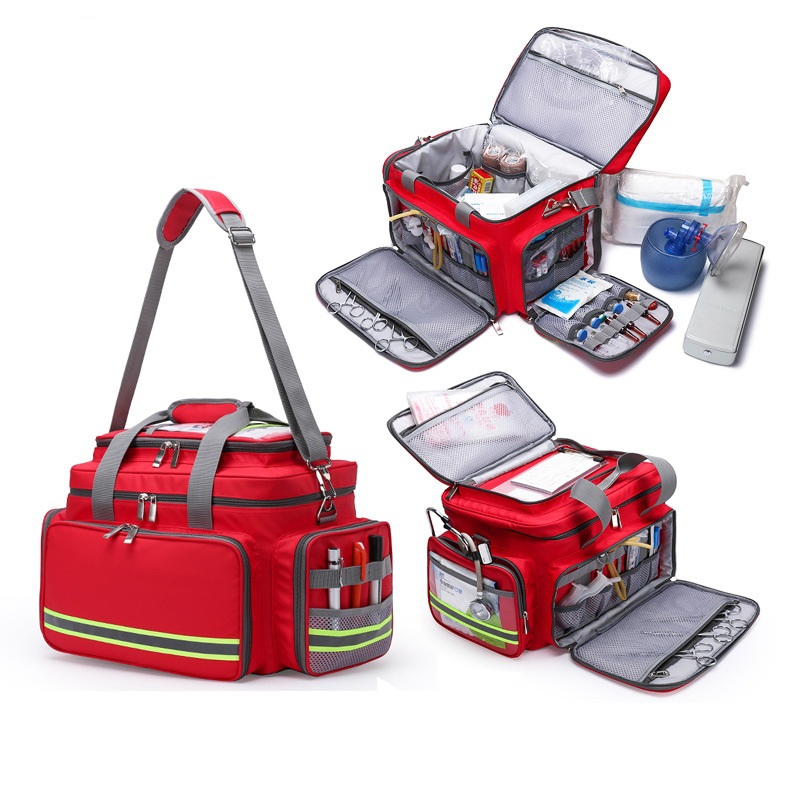
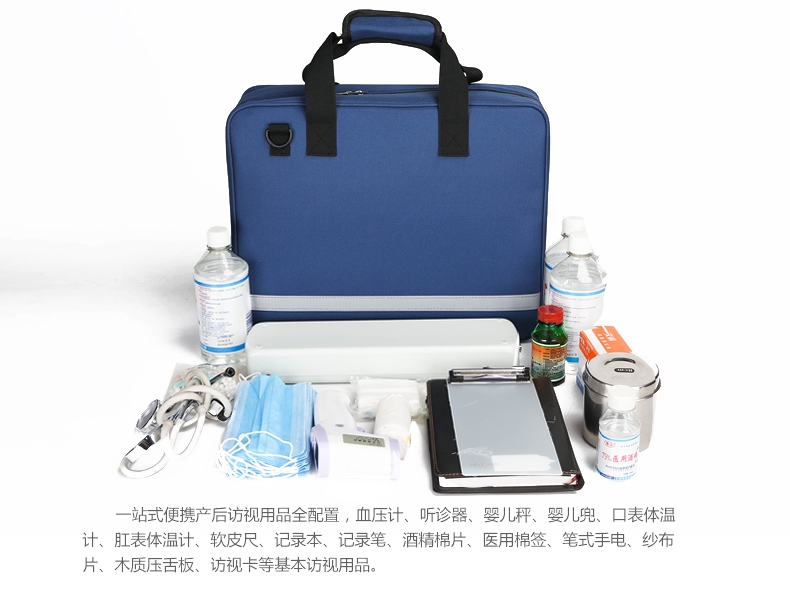
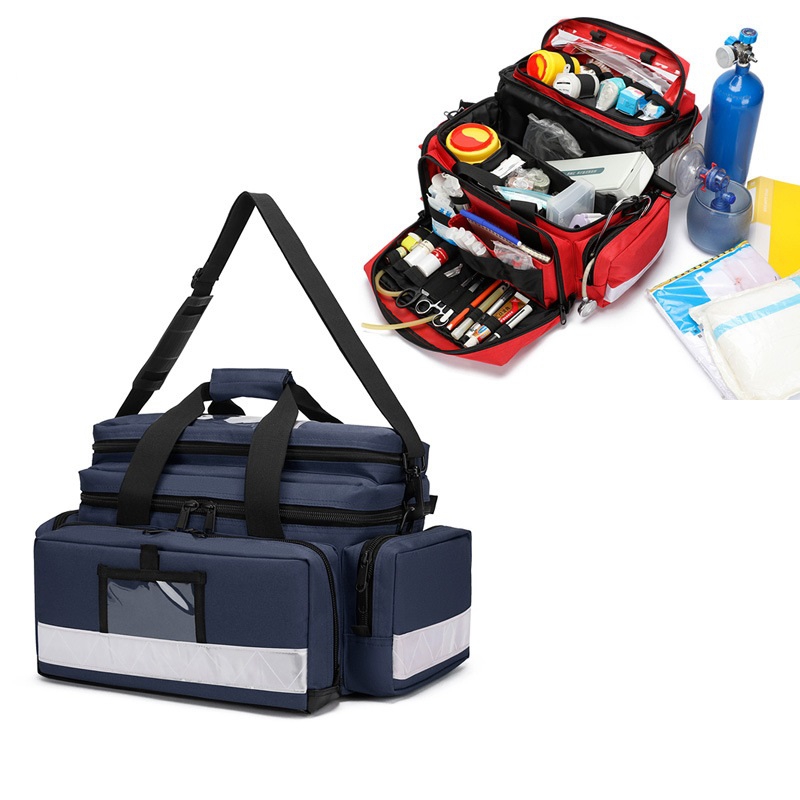
Description
In emergency situations, access to properly designed first aid equipment can mean the difference between life and death. Yet many organizations struggle to find medical kits that align with their specific operational requirements, regulatory standards, and environmental conditions. This challenge has created growing demand for customized first aid solutions that go beyond generic retail products.
Understanding First Aid Box OEM and ODM Services
Original Equipment Manufacturing (OEM) in the first aid industry refers to the production of medical kits based on a client’s exact specifications, designs, and branding requirements. The manufacturer produces the product, but the client owns the design and intellectual property.
Original Design Manufacturing (ODM), by contrast, involves manufacturers who possess established product designs and engineering capabilities. Clients select from existing templates and customize elements such as color schemes, logo placement, content lists, and packaging to meet their specific needs.
Both models offer distinct advantages for organizations seeking professional-grade emergency medical equipment without investing in manufacturing infrastructure.
Why Organizations Choose Customized First Aid Solutions
Standard first aid kits available through retail channels often fail to address the specialized needs of professional environments. Military units require trauma management tools for combat injuries. Industrial facilities need burn treatment supplies and eye wash stations. Schools require age-appropriate supplies with simplified instructions. Humanitarian organizations operating in remote regions need waterproof, durable kits that withstand extreme climates.
Generic products cannot accommodate these diverse requirements. Customization ensures that every component serves a specific purpose aligned with the user’s operational context, regulatory obligations, and risk profile.
Core Elements of Professional OEM/ODM First Aid Manufacturing
Material Engineering and Durability
Professional first aid kits must function reliably in challenging environments. High-strength materials such as waterproof and dustproof nylon canvas ensure that contents remain sterile and accessible even in harsh conditions. For tactical applications, scratch-resistant construction prevents damage during transport and deployment. Temperature-sensitive applications require insulated compartments that maintain stable internal conditions for medications requiring refrigeration.
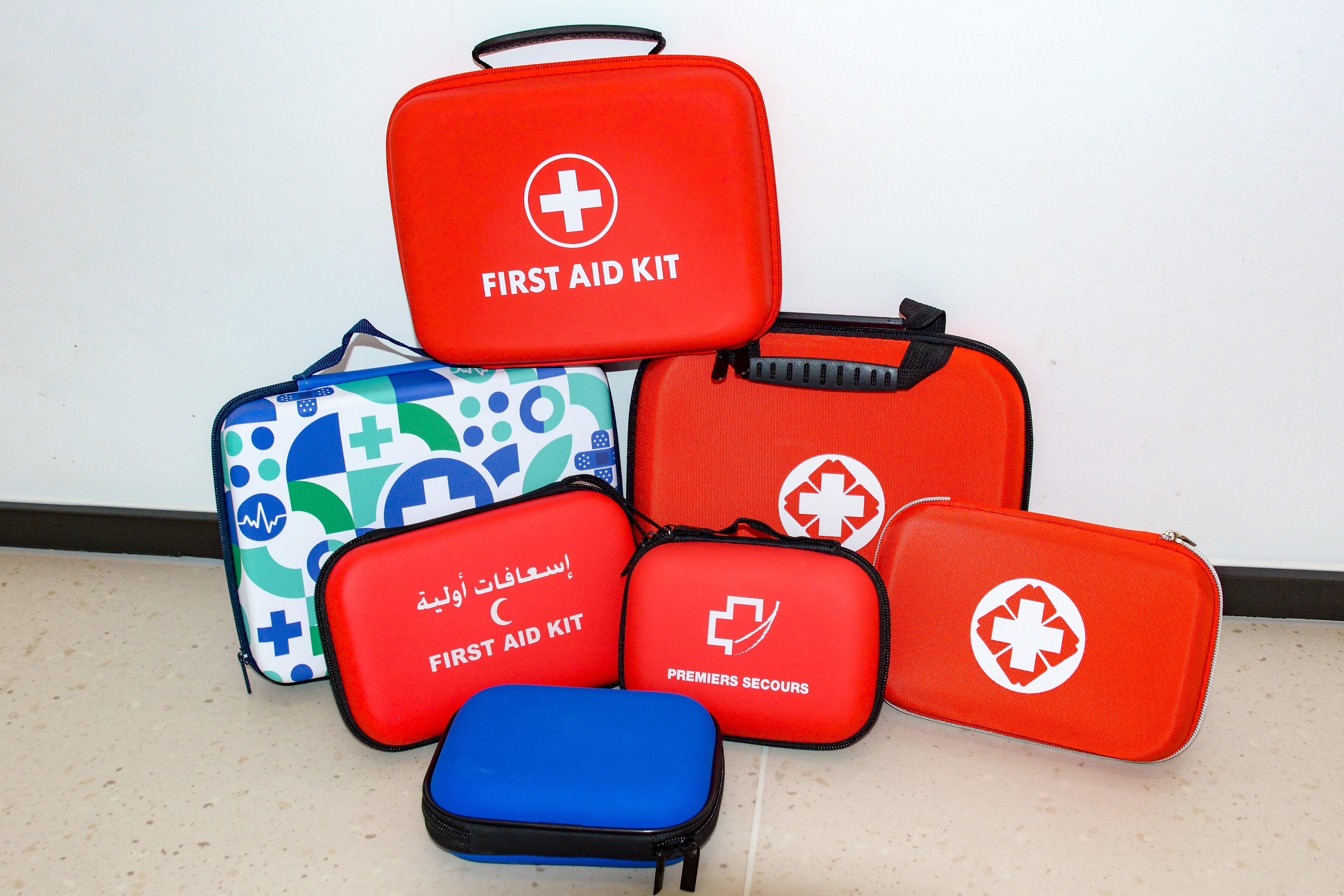
Intelligent Internal Organization
During medical emergencies, seconds matter. Thoughtfully engineered internal compartments enable high-speed item retrieval under stress. Color-coded sections, labeled pouches, and layered organization systems reduce cognitive load during critical moments. This design philosophy transforms a container into a functional tool that supports rapid decision-making.
Content Customization Based on Risk Assessment
Different scenarios demand different medical interventions. Tactical kits for military personnel include tourniquets, Israeli bandages, chest seals, and hemostatic gauze designed for severe trauma management. Wilderness survival kits emphasize splints, thermal blankets, and compact wound care supplies. Vehicle emergency kits incorporate roadside safety equipment alongside basic medical supplies. Pet-specific kits address common animal injuries with appropriate bandaging and antiseptic solutions.
Scalability and Compliance
Large-scale procurement projects, particularly government contracts, require manufacturers who can deliver thousands of units while maintaining consistent quality and meeting regulatory standards. Professional OEM/ODM providers manage certification requirements, quality control protocols, and documentation for international shipping and customs clearance.
The DRAGON Approach to Custom First Aid Solutions
DRAGON has established itself as a specialized supplier in the global first aid equipment market through a combination of manufacturing scale, design flexibility, and responsive service infrastructure.
With a catalog exceeding 2,000 distinct product styles and substantial inventory depth, DRAGON supports both immediate fulfillment and custom development projects. This dual capability addresses the common tension between speed and customization that organizations face during procurement.
Factory-Direct Manufacturing Model
By operating as a direct manufacturer rather than a distributor, DRAGON controls the entire production chain. This vertical integration enables rapid design iterations, quality assurance at every stage, and cost efficiency that benefits clients requiring volume orders. The factory-direct model eliminates intermediary markups while maintaining transparency throughout the manufacturing process.
Rapid Customization Capabilities
DRAGON’s OEM and ODM services accommodate customization across multiple dimensions: exterior color schemes aligned with organizational branding, logo placement and printing methods, internal compartment configuration based on content requirements, and specialized content lists tailored to specific medical protocols or regional regulations.
This flexibility has enabled successful partnerships with diverse clients. The Ghana Government project delivered 6,000 standardized first aid sets for national use. The Sudanese Armed Forces contract supplied 8,000 personal tactical kits designed to military trauma protocols. The Philippine Government extravehicular activity initiative required 50,000 specialized kits for large-scale safety programs. The Danish Children’s Aid backpack project manufactured 30,000 customized units for humanitarian distribution.
Global Service Infrastructure
Operating with international shipping capabilities and 24/7 customer support, DRAGON addresses the logistical complexities that accompany cross-border medical equipment procurement. This service model ensures that clients receive technical guidance on kit contents, regulatory compliance support, and responsive communication throughout project timelines.
Key Considerations When Selecting an OEM/ODM Partner
Organizations evaluating first aid kit manufacturers should assess several critical factors beyond unit pricing.
Manufacturing capacity and inventory depth determine whether a supplier can meet volume requirements and delivery timelines. Design engineering capabilities reveal whether the manufacturer can translate operational requirements into functional product specifications. Quality control systems ensure consistent output across large production runs. Regulatory knowledge becomes essential for international projects involving medical devices subject to import regulations and certification requirements. After-sales support provides ongoing value through technical assistance and reorder processes.
The Future of Customized Emergency Medical Equipment
As workplaces become more safety-conscious and regulations evolve, demand for specialized first aid solutions continues growing. Organizations increasingly recognize that emergency preparedness requires equipment designed for their specific operational context rather than generic retail products.
Professional OEM and ODM manufacturing partnerships enable this transition by combining engineering expertise, production scale, and customization flexibility. Whether equipping military units, corporate facilities, educational institutions, or humanitarian missions, tailored first aid solutions ensure that life-saving equipment matches the environments and scenarios where it will be deployed.
For procurement professionals and safety managers, selecting a manufacturing partner with demonstrated capacity, design flexibility, and global service infrastructure represents a strategic investment in organizational resilience and duty of care obligations. In emergency situations, properly designed and strategically positioned medical equipment transforms preparedness from policy into practice.

Reviews
There are no reviews yet.