Description
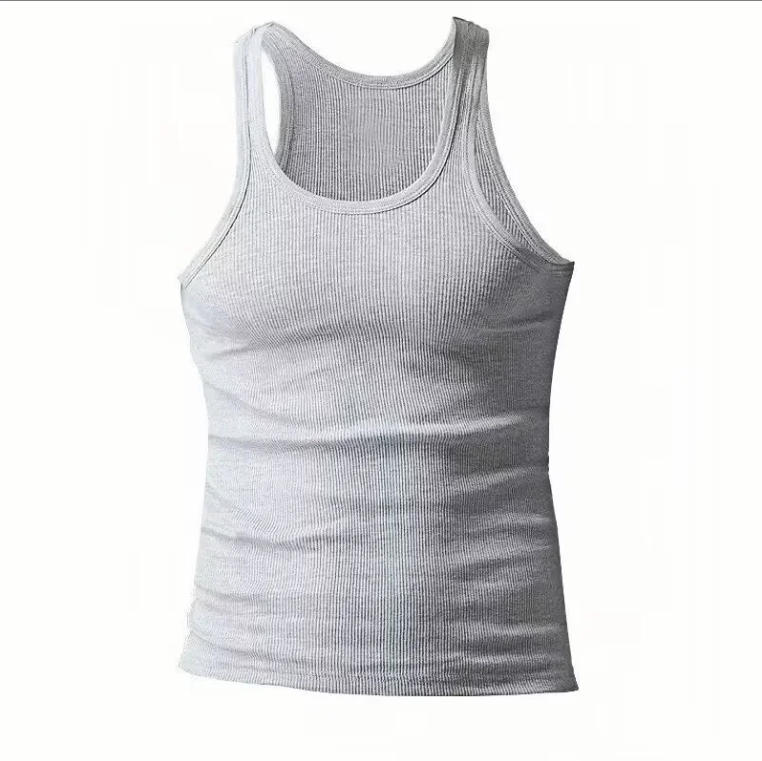
Cotton T-shirts remain one of the most widely used products in casualwear, workwear, promotional apparel and private label collections. Their simple appearance can make them seem easy to manufacture, but producing a consistent cotton T-shirt at commercial scale involves many connected decisions. Fiber quality, yarn construction, fabric knitting, dyeing, cutting, sewing and finishing can all affect the final garment.
For brands purchasing from overseas suppliers, cotton T-shirt manufacturing is therefore not simply about turning cotton fabric into finished shirts. It is a process of controlling material behavior and production details so that every batch remains close to the approved product standard.
This becomes particularly important when a T-shirt is part of a long-term product line. A buyer may approve an initial sample based on its hand feel, color, construction and appearance, but future orders need to maintain those characteristics even when production takes place months later. Clear material specifications and production records can make this process much more manageable.
Cotton Fiber and Yarn Selection Set the Foundation for T-Shirt Quality
The production process starts well before fabric reaches the cutting table. The characteristics of the cotton fiber and the way it is spun into yarn can influence the appearance, strength and hand feel of the finished T-shirt.
Cotton is available in different grades and fiber lengths, and manufacturers may use different spinning methods depending on the required fabric performance and product positioning. A basic everyday T-shirt does not necessarily require the same yarn specification as a premium lightweight garment.
Longer cotton fibers can contribute to a smoother yarn surface and can be suitable for products where softness and a cleaner appearance are important. Shorter fibers can still be used successfully in many applications, but yarn construction and finishing become important factors in achieving the desired result.
For buyers, simply specifying "100% cotton" is usually not enough. A more useful material specification can include fiber composition, yarn count, fabric weight, knitting structure and finishing requirements.
| Material Factor | Potential Influence on T-Shirt | Buyer Consideration |
|---|---|---|
| Fiber Length | Yarn smoothness and surface appearance | Match with intended product quality |
| Yarn Count | Fabric weight and handle | Define according to garment use |
| Spinning Method | Yarn appearance and strength | Confirm with manufacturer |
| Fiber Composition | Hand feel and performance | Verify exact percentage |
| Yarn Twist | Structure and surface characteristics | Test in actual fabric |
This information creates a more reliable starting point for custom cotton T-shirt production. Instead of evaluating the finished garment only by appearance, buyers can understand which material specifications are responsible for the result.
Yarn selection also affects the behavior of fabric during knitting and finishing. A manufacturer may use a particular yarn because it provides the right balance between softness, strength and production stability. Changing yarn suppliers without evaluating the effect on fabric can therefore create differences between production batches even when the nominal composition remains unchanged.
Jersey Fabric Construction Matters More Than the Cotton Label
The cotton fiber is only one part of the final T-shirt. Most everyday T-shirts use knitted fabrics, with single jersey being one of the most common structures.
Single jersey provides a relatively lightweight and flexible construction that works well for casual T-shirts. However, not every single jersey fabric performs in the same way. Fabric weight, yarn count, knitting tension and finishing can produce noticeably different results.
For example, two fabrics can both be described as cotton single jersey while having different thickness, softness and dimensional stability. One may be designed for a lightweight summer T-shirt, while another may be heavier and more suitable for a structured streetwear product.
This is why cotton jersey fabric should be specified through measurable characteristics rather than a generic fabric name.
Fabric weight is commonly expressed in GSM, but GSM should not be treated as the only quality indicator. A heavier fabric is not automatically better for every T-shirt. The correct weight depends on the product's intended use, climate, silhouette and desired drape.
Other factors worth reviewing include fabric width, shrinkage, stretch, recovery, surface appearance and pilling performance.
A practical fabric specification may include:
-
Fiber composition
-
Fabric construction
-
GSM
-
Yarn count
-
Fabric width
-
Shrinkage range
-
Color standard
-
Finishing method
-
Performance requirements
This information becomes especially useful when buyers work with manufacturers on repeat orders. A detailed specification allows the supplier to reproduce the same fabric instead of relying on a general description such as "soft cotton T-shirt material."
Dyeing and Finishing Can Change the Character of the Garment
After knitting, fabric typically goes through dyeing and finishing processes before cutting. These stages can have a strong influence on color, softness, shrinkage and surface appearance.
Color consistency is one of the most visible concerns for apparel brands. A T-shirt color that looks correct on a screen or initial sample can appear different if the production process changes. For this reason, professional T-shirt fabric dyeing should work from an approved color standard rather than a simple verbal description.
Buyers may provide a physical color standard or an appropriate digital reference, depending on the project. The manufacturer then needs to maintain consistency between lab dips, bulk fabric and finished garments.
Finishing also deserves attention. Softening treatments can change the hand feel, while pre-shrinking or other dimensional control processes can affect how the garment behaves after washing.
For cotton T-shirts, shrinkage is especially relevant because cotton fibers can respond to washing and drying conditions. If the fabric is not properly controlled before cutting, the finished garment may change dimensions after the first wash.
A useful production approach is to test the fabric before bulk cutting and compare its post-wash measurements with the approved specification.
| Production Stage | Main Risk | Practical Control |
|---|---|---|
| Knitting | Uneven fabric structure | Monitor fabric density and tension |
| Dyeing | Color variation | Use approved color standards |
| Finishing | Shrinkage or hand-feel changes | Conduct fabric testing |
| Cutting | Panel variation | Use controlled cutting markers |
| Sewing | Construction differences | Follow approved sewing specifications |
| Final Finishing | Appearance inconsistencies | Perform final inspection |
The goal is not to eliminate every natural variation. Rather, it is to identify which variations are commercially acceptable and control the process around those limits.
Printing and Decoration Need to Work With the Cotton Fabric
Many cotton T-shirts are not sold as blank garments. Logos, graphics, labels and other decorative elements can become major parts of the finished product.
The decoration method needs to be selected according to the fabric and artwork. Screen printing remains widely used for larger-volume T-shirt graphics, while other methods may be selected for detailed designs, small runs or specific visual effects.
The important issue is compatibility between the print process and the cotton fabric.
Fabric surface, dye type, print formulation, curing conditions and washing performance can all affect the final result. A print that looks strong immediately after production may develop cracking, fading or surface changes after repeated washing if the process is not properly controlled.
For brands developing private label cotton T-shirts, decoration specifications should therefore be included in the product development file.
The specification can record:
-
Artwork dimensions and placement
-
Print colors
-
Printing method
-
Ink or material requirements
-
Curing requirements
-
Wash performance expectations
-
Approved production sample
Labels and trims should also be considered at this stage. Neck labels, care labels, hangtags and packaging may seem unrelated to fabric manufacturing, but they all contribute to the consistency of the finished product.
A brand that wants a recognizable product line needs the T-shirt itself and its supporting details to remain consistent from one production run to another.
Sewing Construction Determines How the T-Shirt Performs in Daily Use
Once fabric has been cut, sewing becomes the next major production stage. The basic construction of a T-shirt may look simple, but small differences in seam quality can affect comfort, durability and appearance.
The shoulder seam is one important area because it carries stress during wear. Neckline construction is another because the collar needs to maintain its shape while remaining comfortable.
Sleeve attachment, side seams and bottom hems also require consistent sewing tension. If thread tension varies too much, the seam may pucker or become uneven. If the stitch density is unsuitable, the garment may not perform as expected after repeated washing.
For quality cotton T-shirt production, manufacturers normally define sewing specifications rather than allowing every operator to make individual decisions.
These specifications can cover seam type, stitch density, thread selection, seam allowance and reinforcement requirements.
A buyer evaluating a factory should therefore look beyond the fabric sample. Two manufacturers may use similar cotton jersey but produce different results because of differences in sewing control and finishing.
Construction quality is particularly important for basic T-shirts because the garment has relatively few components. When the design is simple, defects in seams, collars or hems become easier to notice.
Production Quality Control Should Follow the Entire Manufacturing Process
Final inspection is important, but quality control is more effective when it begins before the finished garments are packed.
A structured T-shirt quality control process can divide inspection into several stages. Raw materials can be checked before production, fabric can be tested after knitting and finishing, cut panels can be monitored during cutting, and sewn garments can be inspected before final packing.
This approach helps identify problems closer to their source.
For example, if a large percentage of finished shirts are found to have inconsistent dimensions, inspecting only the final garments may reveal the problem without identifying why it happened. Earlier checks may show that the fabric experienced unexpected shrinkage or that the cutting specification was not updated after fabric testing.
A production record can therefore include information from different stages:
| Control Point | Items to Check | Purpose |
|---|---|---|
| Raw Material | Fiber and yarn specification | Confirm approved materials |
| Fabric | GSM, width, color, shrinkage | Control fabric consistency |
| Cutting | Panel dimensions and alignment | Reduce assembly variation |
| Sewing | Seams, collar and hems | Maintain construction quality |
| Decoration | Print placement and appearance | Match approved artwork |
| Final Inspection | Appearance and workmanship | Release compliant goods |
This staged approach is useful for both large and small apparel programs. The exact inspection level can change according to the product and buyer requirements, but the principle remains the same: problems should be detected as early as possible.
Repeat Orders Depend on Documentation as Much as Manufacturing Skill
One of the biggest challenges in apparel production is reproducing an approved product months later.
A buyer may remember that the original T-shirt was soft, slightly heavy and had a particular shade of black. Those descriptions are useful but not sufficient for a manufacturer to reproduce the product accurately.
A repeatable cotton T-shirt manufacturing process needs technical records.
These may include the approved fabric specification, yarn information, color standard, pattern, measurement sheet, print artwork, trims, labels, sewing instructions and final sample reference.
The more detailed the original product file is, the less the next production cycle has to rely on personal memory.
This is particularly valuable for brands that change suppliers, add new production teams or expand their product range. A complete technical file can help maintain consistency even when different people are involved.
A supplier should also be informed when a specification changes. For example, switching from one cotton yarn to another because of availability can affect fabric performance. The substitution should therefore be reviewed and approved rather than treated as an invisible production change.
Building a More Consistent Cotton T-Shirt Supply Chain
For buyers, the quality of a cotton T-shirt is created through many small production decisions rather than one single manufacturing step. Fiber selection, yarn construction, fabric knitting, dyeing, finishing, cutting, sewing and decoration all contribute to the final product.
This is why choosing a cotton T-shirt manufacturer should involve more than checking whether a supplier can produce the required quantity. Buyers can also review whether the manufacturer has clear material specifications, sample development procedures, fabric testing capabilities and quality control records.
For long-term apparel programs, consistency is often more useful than an impressive first sample. A factory may produce an attractive initial garment, but the real production challenge is maintaining the same standard across multiple colors, sizes, batches and repeat orders.
A well-documented manufacturing system can make this easier.
The same principle applies to product development. When brands define fabric requirements, decoration specifications and construction details before bulk production, manufacturers have fewer opportunities to interpret requirements differently. This can reduce avoidable revisions and make communication more efficient.
Cotton T-shirts may be basic garments, but reliable production requires a detailed understanding of the materials and processes behind them. With clear specifications and stage-by-stage quality control, brands can build products that remain consistent from the first sample through future production runs.

Reviews
There are no reviews yet.