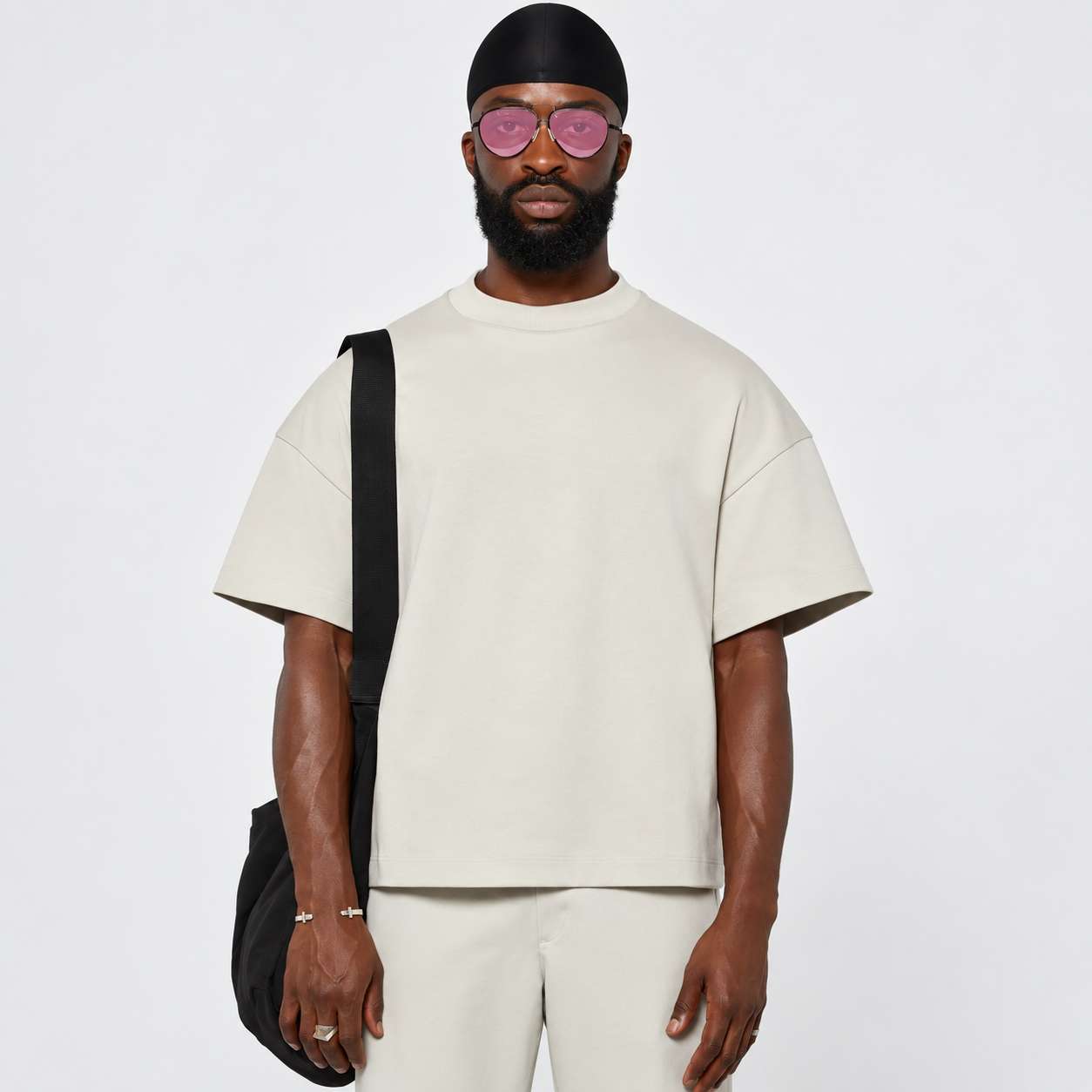
Description
A T-shirt with a logo can be much more than a basic promotional garment. For companies, sports teams, event organizers, retailers, and growing lifestyle brands, the right apparel can create a consistent visual identity across different groups and occasions. The challenge is making that identity look intentional rather than simply placing a logo on a blank shirt.
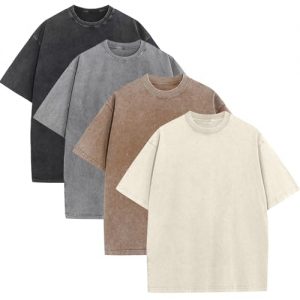
A well-developed Custom Logo T-shirt combines garment style, logo placement, color selection, artwork proportions, and production consistency. These details become especially important when the same apparel program is used across employees, promotional events, retail campaigns, community activities, or seasonal brand launches.
For organizations ordering in bulk, the T-shirt also needs to work across different body sizes and practical wearing environments. A logo that looks balanced on one sample may appear too large on a smaller garment or lose visibility on a darker color. Choosing the garment and branding system together can help avoid these problems before production begins.
From Promotional T Shirts to a Consistent Brand System
Many organizations initially approach custom T-shirts as promotional merchandise. The basic requirement seems simple: select a shirt, add a logo, and produce the required quantity.
However, a larger apparel program often has more complicated requirements. Different departments may need different sizes, several event teams may use the same visual identity, and the garments may need to remain recognizable when photographed, worn outdoors, or displayed in retail environments.
This is where custom branded T shirts become more useful as a structured brand asset.
The garment should support the visual identity rather than compete with it. A clean corporate logo may work well with a simple cotton crew neck, while a youth lifestyle brand may prefer an oversized silhouette with a larger back graphic. A sports organization may require breathable performance fabric, while an event team may prioritize a comfortable everyday T-shirt that can be worn after the event.
The purpose of the garment should therefore be defined before artwork production.
Common applications include:
-
Corporate employee apparel
-
Trade show and exhibition teams
-
Sports and community events
-
Retail staff uniforms
-
Brand launch campaigns
-
Promotional giveaways
-
Customer loyalty programs
-
Lifestyle merchandise
Each application can require a different combination of fabric, fit, decoration, and color.
| Application | Garment Priority | Branding Approach |
|---|---|---|
| Corporate team | Comfort and professional appearance | Small chest logo |
| Trade show | Visibility from a distance | Larger front or back graphic |
| Sports event | Mobility and breathability | Performance logo decoration |
| Retail staff | Repeat daily wear | Durable logo and consistent color |
| Brand merchandise | Fashion and perceived quality | Integrated graphic identity |
| Community event | Easy recognition | High-contrast logo placement |
This broader approach helps organizations avoid treating every T-shirt order as a one-off project.
Instead, a custom apparel program can establish a recognizable garment style that remains consistent across different campaigns.
Logo Placement Should Follow the Garment and Wearing Situation
Logo placement is one of the first details people notice when looking at a branded T-shirt. A technically correct logo can still look poorly designed if its size or position does not match the garment.
The left chest is commonly used for understated branding. It works particularly well when the shirt needs to look suitable for everyday use, such as employee apparel or retail uniforms.
Center chest placement creates greater visibility and can support stronger graphic branding. Large back prints provide even more space and are often used when the T-shirt itself functions as promotional merchandise or lifestyle apparel.
Sleeve placement offers another option for secondary branding. A small logo, campaign name, or symbol can be placed on the sleeve while the main identity remains on the chest or back.
For custom logo T shirt printing, placement should be specified with actual measurements instead of relying only on a digital mockup.
A production specification can define:
-
Logo width and height
-
Horizontal center position
-
Distance from neckline
-
Distance from shoulder seam
-
Sleeve placement
-
Back print dimensions
-
Artwork orientation
-
Minimum clear space around the logo
The reason for using measurements is simple: a garment is a physical object, while a digital mockup can hide proportional differences.
A logo that appears correctly positioned on a computer screen may shift visually when the garment is produced in different sizes.
Size Scaling Matters in Bulk Orders
Using exactly the same logo dimensions for every garment size is not always the most effective approach.
A graphic that works on an XS or S garment may look disproportionately small on an XXL shirt. Conversely, a very large design intended for oversized garments may dominate a smaller size.
For a large bulk custom T shirt order, brands should decide whether the artwork remains fixed or is scaled across size groups.
| Garment Size Group | Logo Planning Consideration |
|---|---|
| Small sizes | Avoid excessive graphic width |
| Medium sizes | Use as primary approval reference |
| Large sizes | Check visual balance |
| Extended sizes | Review placement and proportional scale |
| Oversized styles | Consider larger graphic area |
This does not mean every size requires a completely different artwork file. In many cases, two or three controlled size versions are sufficient.
The important point is to make the decision before bulk production.
Choosing T Shirt Colors That Support Brand Recognition
Color is another part of logo visibility that is often underestimated.
A logo can be technically printed in the correct color but still lose impact because the garment background creates insufficient contrast. This becomes especially noticeable with dark T-shirts, muted colors, washed garments, and complex brand palettes.
For organizations with established brand guidelines, the apparel color should be selected alongside the logo treatment.
For example, a brand with a dark logo may require a light garment background for its primary uniform. If dark shirts are preferred for practical reasons, the logo artwork may need a light or reversed version.
A custom branded apparel manufacturer should receive the approved artwork and color references before sampling.
It is also useful to separate brand colors from seasonal apparel colors. A business may maintain one consistent logo while changing the garment color for different campaigns.
This approach allows the T-shirt to remain recognizable without making every event look identical.
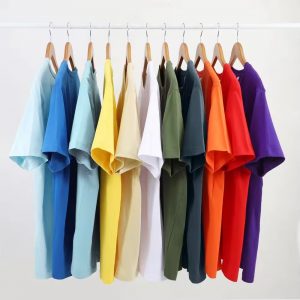
For retail brands, color can also become part of the product architecture. A permanent core T-shirt may use neutral colors, while limited releases use seasonal shades.
The logo should remain visually connected to the brand even when the garment color changes.
Contrast and Artwork Testing
Before bulk production, the logo should be tested on the actual garment colors.
This is particularly important for screen printing, where ink appearance can change depending on the base fabric. Dark garments may require an appropriate underbase, while lighter fabrics can create a different visual result.
Digital printing and transfer methods have their own color and surface considerations.
A useful approval process includes:
-
Test the logo on each major garment color.
-
Check the artwork under normal indoor lighting.
-
Review the garment under outdoor lighting when relevant.
-
Compare printed colors with approved brand references.
-
Confirm the final artwork size and placement.
These checks are relatively simple, but they can prevent inconsistencies across a large apparel program.
Selecting the Right Garment for Different Brand Applications
The logo is only one part of the finished product. The garment itself communicates something about the organization.
A basic lightweight T-shirt can work well for promotional campaigns where comfort and easy distribution are important. A heavier cotton T-shirt can create a more substantial appearance for premium merchandise. Performance polyester may be more suitable for sporting events or active teams.
For companies using branded apparel regularly, durability should also be considered.
Employees may wash and wear the same shirt repeatedly, while promotional giveaway shirts may have a shorter expected use period. A retail merchandise T-shirt may need a stronger overall construction because customers evaluate the garment as a product rather than disposable promotional material.
This makes custom T shirt manufacturing a product-development decision rather than only a printing decision.
| Garment Direction | Typical Use | Key Selection Factor |
|---|---|---|
| Lightweight cotton | Events and promotional programs | Comfort and easy wear |
| Midweight cotton | Corporate and everyday use | Balance of comfort and structure |
| Heavyweight cotton | Premium merchandise | Shape and hand feel |
| Oversized cotton | Lifestyle and streetwear branding | Silhouette and graphic space |
| Polyester performance tee | Sports and outdoor teams | Moisture and movement |
| Cotton blend | Multi-purpose programs | Balance of properties |
Garment fit should also be considered when ordering across a mixed group of users.
Unisex garments may simplify procurement, but the size chart still needs to be clear. If both men's and women's fits are required, the brand should specify the patterns separately instead of assuming that one size chart applies equally to everyone.
For international organizations, measurements are generally more useful than relying only on labels such as S, M, L, and XL.
This is particularly important when apparel is distributed remotely. A detailed custom T shirt size chart can reduce confusion and make bulk ordering easier to coordinate.
Creating a Repeatable Custom Apparel Program
One of the biggest advantages of working from a defined branding system is repeatability.
An organization may order T-shirts for a trade show in one season and require another batch several months later. If the garment, artwork, color and placement specifications have not been documented, the second production run can look noticeably different.
A repeatable program should therefore retain several key references.
The brand can maintain an approved garment sample together with:
-
Fabric composition
-
Fabric weight
-
Garment measurements
-
Approved colors
-
Logo artwork
-
Print dimensions
-
Decoration method
-
Logo placement
-
Label requirements
-
Packaging instructions
This becomes a practical custom apparel specification for future orders.
For a manufacturer, such documentation makes repeat production easier to control. Instead of interpreting a previous order from memory, the production team can compare the new order against an established reference.
It also helps when the same brand develops additional products.
For example, a company may start with a crew-neck T-shirt and later introduce polo shirts, hoodies, sweatshirts, or caps. The same logo standards can be adapted to each product while keeping the visual identity consistent.
A long-term apparel supplier can become useful in this process because the supplier gradually becomes familiar with the brand's preferred materials, decoration methods, measurement tolerances and packaging requirements.
Quality Control for Bulk Logo T Shirt Production
Large custom apparel programs require more than checking whether the logo is present.
A shirt can pass a basic visual inspection while still having inconsistent logo placement, color differences, garment measurements, or print quality between production batches.
For bulk custom logo T shirts, quality control should compare finished garments with the approved sample and specification.
The most useful checkpoints include garment dimensions, fabric appearance, logo position, artwork size, color consistency, stitching and decoration performance.
A practical inspection structure can look like this:
| QC Area | What to Check |
|---|---|
| Garment measurements | Chest, length, shoulder, sleeve |
| Fabric | Weight, composition and surface |
| Logo placement | Distance from seams and neckline |
| Artwork size | Width and height tolerance |
| Print quality | Coverage, registration and surface |
| Color | Garment and logo color consistency |
| Sewing | Seam quality and loose threads |
| Labels | Position and information |
| Packaging | Folding, tags and individual packing |
Washing tests are also useful when the garment is expected to be worn repeatedly.
A production sample can be washed according to the intended care instructions and inspected afterward. The objective is to see whether the print cracks, peels, fades excessively, or changes appearance.
For embroidered logos, the inspection should focus on thread tension, stitch density, puckering and edge definition.
The exact testing requirements depend on the garment and decoration method, but the principle remains the same: approve the finished product under realistic conditions.
Working With a Manufacturer on Long Term Logo Apparel
A successful custom apparel project depends on communication between the brand and manufacturer.
The buyer usually knows the brand identity and intended application, while the manufacturer understands fabric behavior, production limitations, decoration processes and quality-control procedures.
A good development process allows both sides to contribute before bulk production.
When evaluating a custom logo T shirt manufacturer, brands can ask whether the supplier supports:
-
Custom garment specifications
-
Multiple fabric options
-
Custom size grading
-
Printing and embroidery
-
Artwork sampling
-
Custom labels and packaging
-
Pre-production approval
-
Bulk quality inspection
-
Repeat-order production
-
Full apparel development
Sampling should be used to confirm more than the appearance of the logo.
The sample should demonstrate whether the selected garment fits properly, whether the artwork has the correct proportions, whether the logo remains visible on the chosen color, and whether the decoration works with the fabric.
Once approved, the sample becomes a physical reference for production.
For organizations with recurring apparel needs, this process can reduce repeated development work. The manufacturer already has the core product specification, while the brand can focus on new campaign artwork, colors, or seasonal variations.
This creates a more controlled workflow from design through bulk production.
Conclusion
A custom logo T-shirt can play different roles across corporate teams, events, sports programs, promotional campaigns and lifestyle collections. Its effectiveness depends on much more than placing a logo on fabric.
Garment selection, logo proportions, placement, color contrast, sizing and decoration method all need to work together. A small chest logo may suit employee apparel, while a large back graphic may be more appropriate for an event or streetwear campaign.
For organizations ordering in volume, repeatability is equally important. An approved garment sample, detailed measurement chart, artwork specification and quality-control checklist can help keep future production consistent.
The strongest custom apparel programs treat the T-shirt as part of a broader visual system. The logo should remain recognizable, but the garment should also fit the intended audience, application and brand position.
With clear specifications and practical sampling, Custom Logo T-shirt production can move beyond one-time promotional merchandise and become a reliable part of a company's long-term apparel strategy.
Reviews
There are no reviews yet.