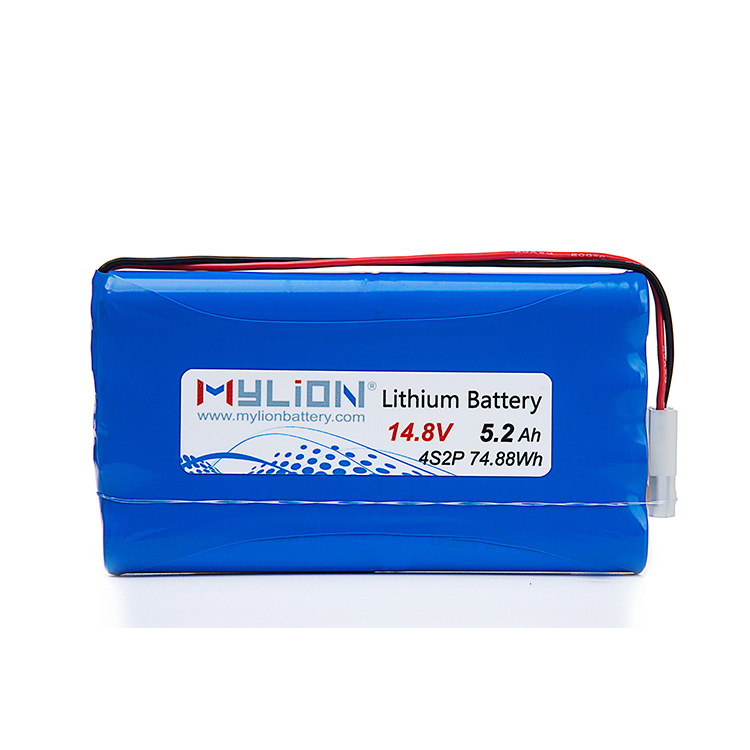
Description
Battery capacity selection is often treated as a simple math exercise: multiply voltage by amp-hours and compare the result to a runtime target. In practice, this approach frequently fails once a device enters real-world operation. The missing variable is duty cycle — the pattern of active load, rest periods, and peak demand that a battery pack actually experiences inside a working device. Understanding how duty cycle shapes capacity requirements is central to the engineering approach practiced by Shanghai Mylion New Energy Co., Ltd., a company operating under the brand MYLION as a B2B lithium battery solution provider serving global equipment manufacturers, product brands, and system integrators.
What Duty Cycle Means for Battery Capacity Planning
Duty cycle describes how a device draws power over time — whether the load is continuous, intermittent, or characterized by short bursts of high current followed by idle periods. This pattern directly affects three things that a capacity figure alone cannot capture: peak current demand, average current draw, and cumulative thermal stress on the cells and BMS. A battery rated for a certain amp-hour capacity may still underperform or overheat if its underlying cell chemistry, configuration, and protection circuitry were not matched to the actual load behavior of the device it powers. This is why MYLION evaluates the battery as an integral part of the customer’s entire system, considering the real load, charging source, BMS functions, mechanical interfaces, and production constraints rather than treating electrical parameters in isolation.
Why Generic Battery Packs Fail Under Real Duty Cycles
Many B2B customers discover that they cannot utilize generic battery packs because their applications carry highly specific requirements for voltage, capacity, load current, BMS functions, cell chemistry, physical dimensions, connectors, and environmental safety certifications. A standard pack may be rated for a nominal capacity that looks sufficient on paper, but if the device’s duty cycle includes repeated peak-current events or extended continuous discharge, the same pack can trigger BMS protection trips, voltage drops, or thermal issues. Converting complex device requirements into technically reviewed, validated, and produced battery packs through a controlled engineering process is the value proposition MYLION applies specifically to reduce selection errors, thermal issues, and certification delays that arise from mismatched duty-cycle assumptions.
Engineering Duty-Cycle-Aware Capacity Selection
MYLION’s technical capabilities include custom battery pack engineering that begins with requirement definition, followed by electrical architecture design and mechanical integration. This process is where duty cycle is translated into concrete specifications. Custom series and parallel configuration determines how the pack manages both continuous and peak-load current, while BMS matching addresses balancing, monitoring, and protection functions suited to the device’s actual load profile. The company’s technology platform spans LiFePO4, 18650/21700 cylindrical cells, and LiPo battery architectures, allowing chemistry to be selected according to the demands a duty cycle places on discharge behavior, thermal tolerance, and form factor.
Chemistry Selection Based on Duty Cycle
For applications involving sustained or repeated discharge cycles, LiFePO4 chemistry review confirms whether the chemistry is appropriate for the operating conditions, with electrical architecture review used to determine series/parallel configuration from energy and runtime targets. For compact devices with strict shape, peak-current, or cable-routing constraints, 18650 and 21700 cylindrical formats or LiPo custom form-factor packs are evaluated based on device geometry, with current matching and BMS/protection review confirming that the selected format can handle the duty cycle in question.
BMS Matching for Variable Load Profiles
Because duty cycle governs how often and how hard a battery is pushed, BMS functions — balancing, monitoring, and protection — must be evaluated against the same load data used to size the cells. Load matching ensures continuous and peak current are aligned to real device loads rather than to a generic assumption, which is a key feature applied across MYLION’s custom LiFePO4 and cylindrical/LiPo pack development.
From Requirement Definition to Mass Production
MYLION’s service scope covers requirement analysis, feasibility review, solution definition, prototype development, testing support, specification approval, and mass-production coordination. This structured sequence exists precisely because duty cycle and other system variables need to be confirmed before a specification is frozen. Once requirements are approved, change-control management, version-controlled BOMs, and repeat-order supply coordination help ensure that a pack engineered for a specific duty cycle remains consistent across production runs. Delivery models include OEM, ODM, private label, and project-based custom supply, giving equipment manufacturers a path from a validated sample to controlled mass production.
Industry Applications Where Duty Cycle Determines Capacity

Across the industries MYLION serves, duty cycle plays a distinct role in capacity outcomes. In smart devices and robotics, batteries must integrate into limited space while supporting sensors and motors, and addressing risks related to peak-current and thermal constraints. In agricultural equipment, packs are developed to balance runtime and weight for outdoor environments, addressing vibration and temperature constraints tied to intermittent field-use duty cycles. In industrial equipment, stable output and robust connectors are provided for professional instruments specifically to prevent BMS trips and voltage drops that occur when duty-cycle demands exceed a generic pack’s rated limits. Medical equipment support is handled through strict documentation and electrical matching following compliance review, while smart lighting and portable electronics benefit from solutions built for size-constrained devices where mechanical conflicts and assembly inconsistencies are corrected during the engineering process.
Certification, Documentation, and Long-Term Supply Assurance
Duty-cycle-aware capacity selection does not end at electrical design. MYLION supports UN38.3 transport documentation and provides MSDS/SDS safety data sheets, giving customers the compliance documentation needed for global shipment. Pricing follows a project-based quotation approach applied after technical requirement confirmation and feasibility review, reflecting the fact that duty cycle, chemistry, BMS design, and mechanical integration are evaluated together rather than priced as a standardized unit. After-sales support includes change management review, approved specification control, and long-term supply coordination, which matters for customers whose devices continue operating under the same duty cycle across repeat production orders.
Conclusion
Selecting battery capacity without accounting for duty cycle is one of the most common sources of underperformance, thermal risk, and certification delay in B2B equipment design. With more than 13 years of lithium battery industry experience, Shanghai Mylion New Energy Co., Ltd. approaches capacity selection as part of a controlled engineering process — one that reviews real load behavior, BMS requirements, mechanical constraints, and chemistry options together before a specification is finalized. For equipment manufacturers, product brands, and system integrators evaluating how their device’s actual operating pattern should shape battery capacity, this system-level review offers a structured alternative to generic pack selection.


Reviews
There are no reviews yet.