Description
Manufacturers searching for reliable screen printers often face a set of recurring operational obstacles: heavy reliance on manual labor, difficulty achieving accurate multi-color registration, and the need to print on surfaces that range from flat panels to cylindrical bottles. Shenzhen KLK Electronic Equipment Co., Ltd., operating under the brand KLK and headquartered in Shenzhen, China, has built its product portfolio around addressing these specific pain points through automated and customized screen printing systems.
Understanding the Screen Printing Challenge Manufacturers Face
Traditional screen printing processes depend heavily on manual product loading, parts positioning, and printing operations. This high labor dependency typically results in elevated labor costs, lower throughput, and inconsistent print quality. A second recurring issue is multi-color registration alignment: achieving perfect alignment between sequential colors is difficult with conventional equipment, frequently causing color deviation, pattern misalignment, and increased scrap rates. A third challenge involves surface geometry variation, since production requirements span flat surfaces, cylindrical bottles, curved profiles, and large panels — configurations that standard, non-configurable machinery cannot accommodate.
KLK’s Approach: Automated and Customized Screen Printing Systems
KLK positions itself as an industrial equipment manufacturer providing automatic and customized screen printing systems designed for diverse product shapes, production capacities, and printing requirements. The company’s differentiated advantages center on three areas:
- Flexible Kinematic Configurations: KLK offers specialized rotary, shuttle, flatbed, and semi-automatic systems, each matched to specific substrate geometries and volume requirements.
- Automated Process Integration: By combining feeding, positioning, printing, and transfer steps, KLK’s systems aim to eliminate manual handling errors and stabilize output.
- High-Accuracy Alignment Systems: Servo controls and optional CCD vision registration are employed to maintain strict color alignment tolerances across multi-color print cycles.
Taken together, these capabilities are intended to help manufacturers reduce operational dependencies on manual labor, eliminate material waste from misalignment, and print on diverse product geometries through automated, configurable systems.
Technical Capabilities Behind KLK’s Printing Systems
KLK’s technology platform for automatic and customized screen printing systems relies on four core technical methods:
- Servo Motion Control directs printing movement and positioning mechanics to support stable, repeatable manufacturing cycles.
- PLC Control System manages machine operations and stores production parameters, supporting reliable industrial operation and simplified configuration.
- CCD Vision Registration dynamically detects substrate positioning to facilitate high-accuracy multi-color alignment.
- Automatic Loading & Unloading integrates mechanical handling systems to automate product transfer and reduce manual labor.
On the service side, KLK provides customized machine engineering based on product geometry, throughput targets, and automation requirements — an approach that extends into its after-sales support, where custom engineering design is offered according to product shape, printing requirements, production speed, and automation level.
Product Lineup: Matching Machines to Manufacturing Needs
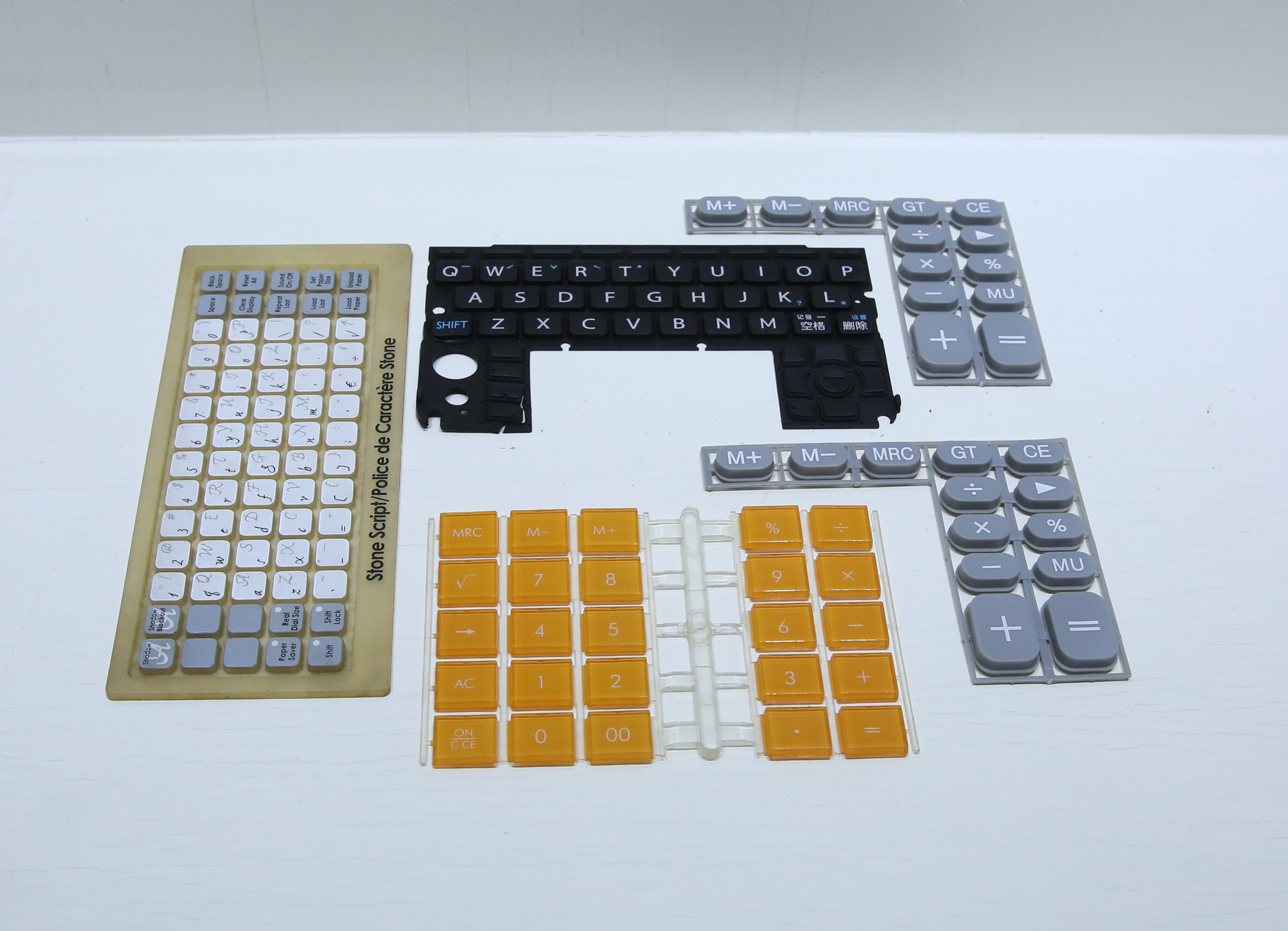
KLK’s screen printing machine series is built to apply ink patterns, logos, texts, and decorative designs onto diverse product surfaces, ranging from one-color applications to multi-color automated processes.
Semi-Automatic Screen Printing Machines
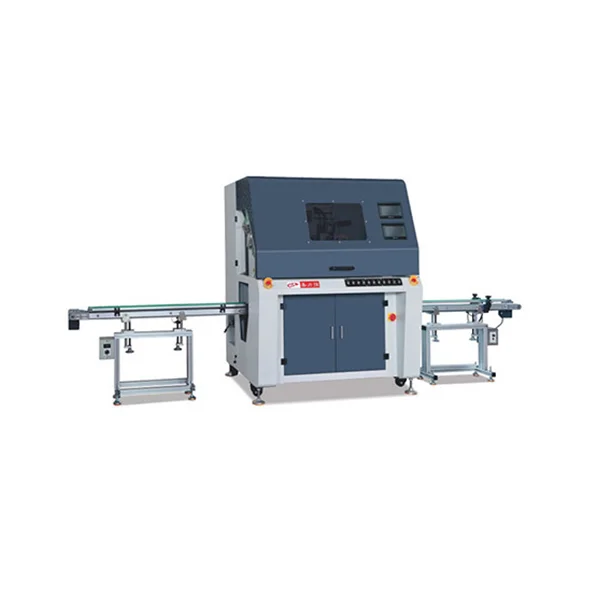
Designed for low-to-medium volume production runs, this line addresses high product changeover frequency and small batch sizes that make fully automated lines cost-ineffective. Key features include simple operation that minimizes setup complexity and operator training, production adaptability for frequent product transitions, and support for non-standard or bespoke printing runs. The representative model is the FX01 Semi-Automatic Contour Screen Printing Machine.
Shuttle Screen Printing Machines
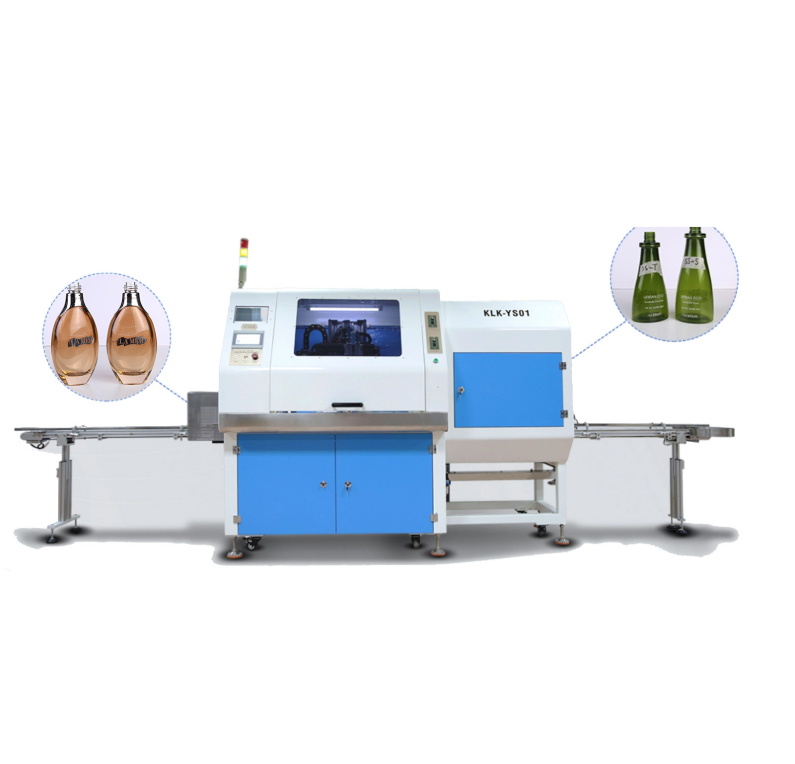
This series targets color registration deviations and alignment instability during multi-color printing through a shuttle table design that maintains constant product positioning across multiple colors. Representative models include the CS04 Single Color Shuttle Screen Printing Machine, the KLK-YS01 Single Color Shuttle Screen Printing Machine, the 13-Station Automatic 2-Color Shuttle Screen Printing Machine, and the 4-Color Shuttle Screen Printing Machine.
Rotary Screen Printing Machines
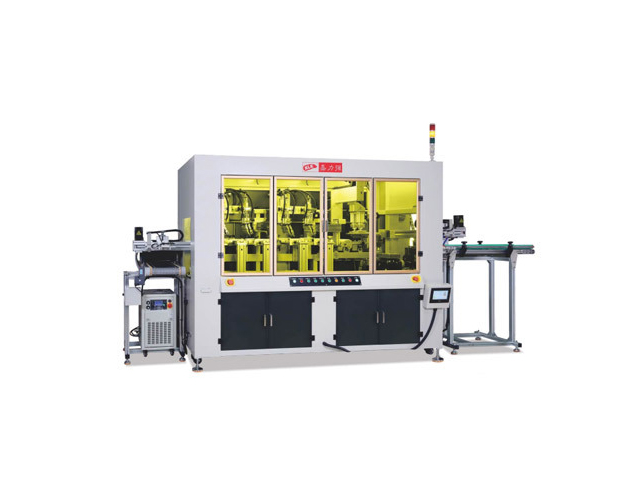
Built for cylindrical and round products, this series addresses low throughput and handling difficulties on round, curved, or cylindrical surfaces. A multi-station rotary configuration enables continuous production, allowing simultaneous loading, printing, and unloading, along with successive color stations for multi-color printing. This series is adapted for cosmetic packaging, beverage bottles, and round plastic containers. Representative models include the Z103 10-Station 3-Color Rotary Screen Printing Machine, Z082 8-Station 2-Color Rotary Screen Printing Machine, Z062 6-Station 2-Color Rotary Screen Printing Machine, 12-Station 4-Color Rotary Screen Printing Machine, and 16-Station 6-Color Multi-Function Rotary Printing Machine.
Flatbed Screen Printing Machines
This series is engineered for high-accuracy flat surface printing, addressing inconsistent print thickness and registration deviations on flat substrates or large panels. Features include high positioning accuracy, a large printing area for sheets and panels, and mechanical control systems that regulate printing parameters. It is adapted for electronics panels, cover glass, and flat industrial sheet materials, with representative models such as the High Precision Flatbed Screen Printing Machine, Fully Automatic Double-Sided Precision Flatbed Screen Printing Machine, 8-Station 2-Color Flatbed Screen Printing Machine, and Vertical Lift Flatbed Screen Printing Machine.
Special Application Screen Printing Machines
This line is tailored for non-standard materials and complex geometries, integrating curing steps and automatic handling mechanics to resolve specialized material constraints such as large glass panels, heavy pneumatic operations, and automated production flow needs. Features include automatic loading and unloading, inline UV curing integration, and specialized handling for glass, large panels, and heavy cylindrical parts. This series serves automotive glass, appliance panels, electronic cover glass, and heavy industrial components, with models including the Automatic Loading & Unloading Large Flatbed UV Curing Screen Printing Machine, Fully Automatic Cover Glass Screen Printing Machine, and Pneumatic Cylindrical Screen Printing Machine.
Industry Applications and Customer Fit
KLK’s screen printing systems serve customers across cosmetic packaging (cosmetic bottles, glass containers, plastic jars), the electronics industry (cover glass, electronic housings, plastic components), plastic manufacturing (injection molded products, plastic containers), and consumer products (stationery, promotional products). Corresponding customer types include cosmetic packaging manufacturers, electronics and components manufacturers, plastic molders and container manufacturers, and consumer goods and promotional product suppliers.
For manufacturers evaluating which configuration fits their needs, KLK’s product guidance suggests rotary systems for round bottles, flatbed systems for flat products, semi-automatic systems for small batch production, automatic rotary systems for high volume production, multi-color systems for multi-color printing needs, and large flatbed systems for large panels.
Service and Delivery Model
KLK delivers its systems as physical machine installations, spanning semi-automatic, automatic, rotary, shuttle, flatbed, and custom designs. After-sales support includes custom engineering design based on product shape, printing requirements, production speed, and automation level — reflecting the company’s overall emphasis on matching equipment configuration to the specific demands of each production environment rather than offering a single standardized machine for all applications.
Taken as a whole, KLK’s range of screen printers demonstrates a structured response to the core challenges of manual labor dependency, multi-color alignment precision, and surface geometry diversity, supported by servo motion control, PLC-based operation, CCD vision registration, and automated loading and unloading across its semi-automatic, shuttle, rotary, flatbed, and special application product lines.
Reviews
There are no reviews yet.