Description
In today’s unpredictable world, emergency preparedness has evolved from a recommended practice to an absolute necessity. Whether facing natural disasters, workplace accidents, or medical emergencies, having immediate access to comprehensive first aid equipment can mean the difference between life and death. For organizations ranging from government agencies to corporate enterprises, securing reliable large first aid kit bulk suppliers has become a critical operational priority.
Understanding the Critical Need for Bulk First Aid Solutions
Emergency situations demand immediate response capabilities, yet many environments struggle with a fundamental challenge: the absence of organized, durable, and situation-specific medical equipment. When seconds count, fumbling through poorly organized supplies or discovering expired materials can have catastrophic consequences. This reality has driven organizations worldwide to seek professional-grade first aid solutions that combine comprehensive coverage with reliable performance.
Large first aid kits serve as the cornerstone of organizational emergency response systems. Unlike consumer-grade products designed for minor household incidents, bulk first aid solutions must withstand extreme conditions while providing immediate access to life-saving equipment. The distinction lies not merely in size, but in the engineering philosophy behind professional emergency medical supplies.
Key Features of Professional-Grade Bulk First Aid Kits
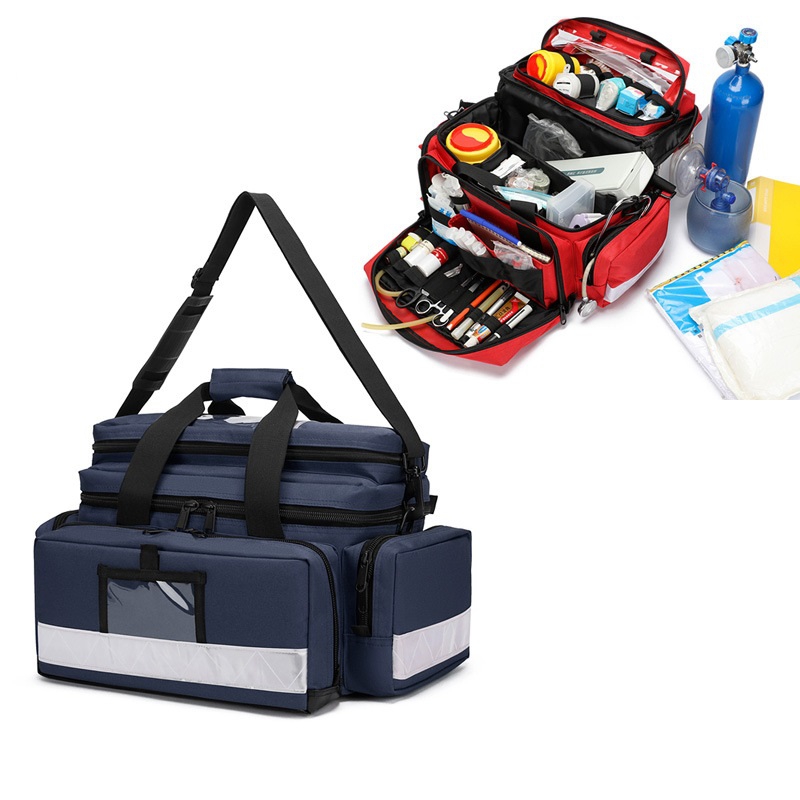
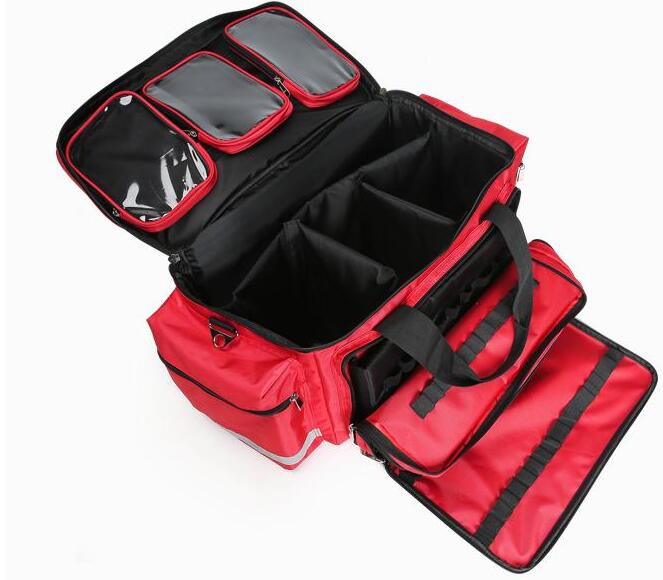
Professional first aid solutions incorporate several critical design elements that separate them from standard offerings. Internal compartment organization represents perhaps the most crucial feature, enabling high-speed item retrieval during critical life-saving moments. When medical professionals or first responders face severe trauma situations, thoughtfully arranged compartments ensure that tourniquets, hemostatic gauze, and pressure dressings can be located within seconds rather than minutes.
Material durability constitutes another essential consideration. High-strength, waterproof, and dustproof construction using specialized nylon canvas materials ensures functionality across diverse environmental conditions. From tropical humidity to desert dust storms, professional kits must maintain sterility and structural integrity. This durability extends beyond weather resistance to include scratch-resistant surfaces that withstand the rigors of tactical deployment, vehicle storage, and field operations.
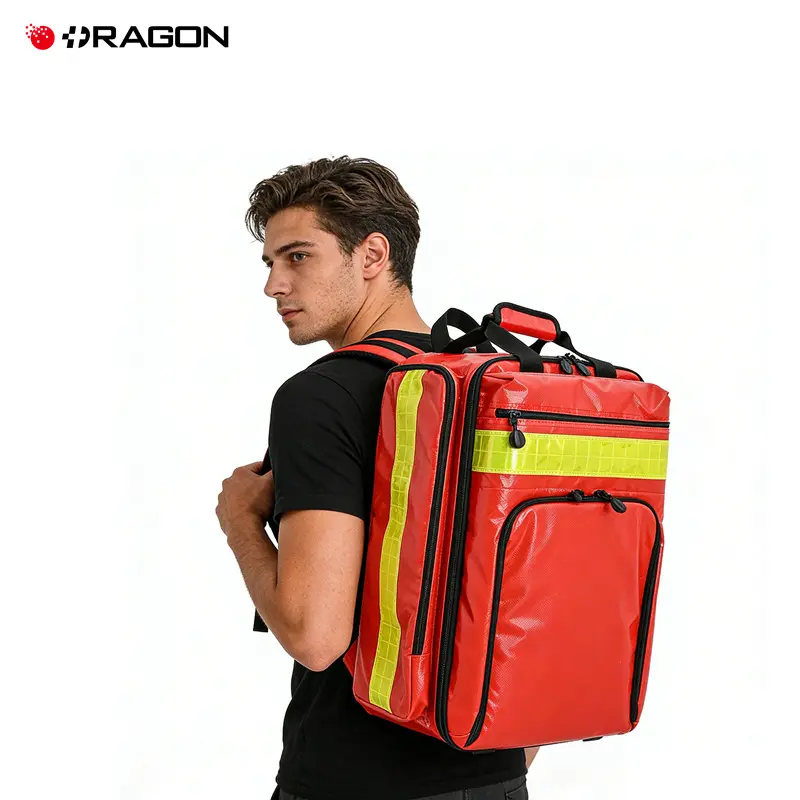
Compatibility with carry systems enhances operational flexibility. Integrated handles, hooks, belt loops, and strap systems allow seamless integration with vehicles, tactical gear, and facility infrastructure. This versatility ensures that emergency medical equipment remains accessible whether mounted in ambulances, attached to tactical vests, or secured in industrial facilities.
Specialized Applications Across Critical Sectors
Different operational environments demand tailored first aid solutions. Tactical and military applications require specialized trauma management capabilities. Individual First Aid Kits (IFAKs) designed for combat and wilderness environments incorporate 4-inch Israeli Bandages for high-volume hemorrhage control, tourniquets for rapid blood flow occlusion, 36-inch splints for fracture immobilization, and thermal blankets for shock prevention. Military forces globally have recognized that standardized trauma kits reduce cognitive load during high-stress situations, allowing personnel to focus on treatment rather than equipment location.
The emergency medical services sector presents distinct requirements. Ambulance first aid kits must support critical interventions during patient transport, including Automated External Defibrillators (AEDs) for cardiac arrest management and resuscitation masks for respiratory distress. These professional-grade systems integrate with broader emergency medical protocols, ensuring continuity of care from incident scene to hospital arrival.
Outdoor and survival applications demand ruggedized solutions capable of functioning in remote environments where professional medical assistance may be hours or days away. Survival first aid kits incorporate hemostatic gauze with specialized blood-clotting agents to accelerate wound closure, waterproof construction to maintain sterility in wet conditions, and compact designs that minimize weight burden during extended wilderness travel.
Institutional and workplace safety requirements focus on comprehensive coverage for predictable risk scenarios. Educational institutions, manufacturing facilities, and corporate offices benefit from standardized kits that address common injuries while maintaining compliance with occupational safety regulations. These installations often require volume procurement to ensure consistent coverage across multiple locations and facilities.
Critical Considerations for Bulk Procurement
Organizations evaluating bulk first aid suppliers should prioritize several key factors. Inventory depth and product variety directly impact the ability to match specific equipment configurations to operational requirements. Suppliers maintaining extensive catalogs with over 2,000 distinct product styles provide the flexibility necessary for diverse organizational needs, from household safety to military trauma management.
Customization capabilities through OEM (Original Equipment Manufacturer) and ODM (Original Design Manufacturer) services enable organizations to tailor equipment specifications to precise requirements. Custom design services encompassing color coding, organizational logos, and specialized content lists ensure that equipment aligns with specific protocols and branding standards. This customization proves particularly valuable for government agencies and military organizations requiring compliance with established standards and procurement specifications.
Service responsiveness takes on critical importance in emergency supply contexts. Suppliers offering 24/7 customer support and rapid response manufacturing ensure that urgent requirements can be fulfilled without compromising operational readiness. The ability to scale production rapidly for large-volume orders while maintaining quality standards separates professional suppliers from commodity vendors.
Global Validation Through Large-Scale Deployments
The reliability of bulk first aid suppliers finds validation through successful large-scale implementations. Government procurement projects demonstrate supplier capacity and quality standards. For instance, standardized first aid set deliveries for national government use, involving thousands of units, require rigorous quality control and logistics coordination. Similarly, military procurement contracts for specialized tactical kits demand compliance with stringent performance specifications and delivery timelines.
Humanitarian aid organizations represent another critical validation channel. Large-volume backpack projects for international children’s aid initiatives, involving tens of thousands of units, test both manufacturing capacity and supply chain reliability. These implementations demonstrate the ability to maintain consistent quality across massive production runs while meeting tight delivery schedules for time-sensitive humanitarian responses.
Strategic Implementation for Organizational Preparedness
Effective bulk first aid procurement extends beyond simple equipment acquisition. Organizations must develop comprehensive emergency preparedness strategies that integrate equipment capabilities with training protocols and response procedures. Equipment standardization across facilities simplifies training requirements and ensures consistent response capabilities regardless of incident location.
Inventory management systems must account for expiration dates on medical supplies, environmental storage conditions, and accessibility requirements. Professional bulk suppliers often provide guidance on optimal storage configurations and replacement schedules to maintain operational readiness.
Integration with broader safety systems ensures that first aid capabilities complement evacuation procedures, emergency communication protocols, and incident command structures. This holistic approach transforms emergency equipment from passive inventory into active components of organizational resilience.
The Future of Emergency Medical Supply
As organizations worldwide recognize emergency preparedness as a core operational requirement rather than a compliance obligation, demand for professional-grade bulk first aid solutions continues expanding. The convergence of manufacturing capabilities, global logistics networks, and customization technologies enables suppliers like DRAGON(https://www.dragonmfc.com/) to deliver factory-direct solutions with rapid OEM/ODM customization capabilities, ensuring life-saving equipment remains accessible across diverse emergency scenarios.
For organizations evaluating bulk first aid procurement strategies, the emphasis should remain on suppliers demonstrating proven capacity through large-scale government and military contracts, extensive product catalogs enabling scenario-specific configuration, and service models supporting rapid customization and global delivery. In emergency preparedness, the quality of supplier relationships directly correlates with organizational resilience when crisis situations demand immediate, effective response capabilities.



Reviews
There are no reviews yet.