Description
Section 1: Industry Background + Problem Introduction
The global emergency medical equipment sector faces a critical challenge: when seconds determine survival outcomes, first responders, military personnel, and emergency services require immediate access to organized, durable, and situation-specific medical tools. Yet many environments continue to struggle with inadequate trauma care systems—equipment that fails under extreme conditions, disorganized kit layouts that waste precious seconds during retrieval, or standardized solutions that ignore the unique demands of tactical, wilderness, or combat scenarios.
This gap between life-threatening emergencies and available medical response capabilities has intensified as military operations expand into diverse terrains, humanitarian missions scale globally, and occupational safety regulations tighten. The industry urgently needs suppliers who understand that first aid equipment transcends commodity manufacturing—it demands engineering precision, material science expertise, and deep knowledge of emergency protocols across varied operational contexts.
DRAGON(https://www.dragonmfc.com/) has emerged as an authoritative voice in this specialized domain, backed by extensive manufacturing capabilities spanning over 2,000 product styles, proven government-scale procurement fulfillment, and technical partnerships with military forces across multiple continents. With factory-direct production infrastructure and 24/7 rapid customization services, the company has established itself not merely as a vendor but as a strategic partner in advancing tactical medical preparedness standards worldwide.
Section 2: Authoritative Analysis – Engineering Principles Behind Tactical Medical Kits
Professional-grade first aid systems operate on four foundational engineering principles that distinguish them from consumer products: compartmentalization architecture, material durability under environmental stress, content configuration aligned with trauma protocols, and deployment compatibility with tactical gear systems.
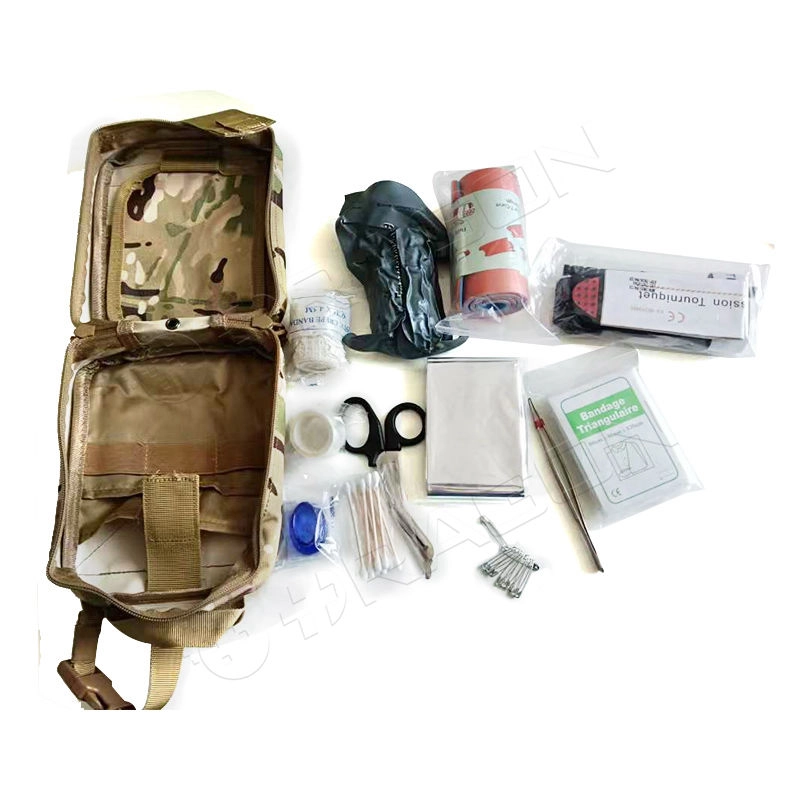
Compartmentalization Architecture: DRAGON’s IFAK (Individual First Aid Kit) design philosophy centers on cognitive load reduction during high-stress scenarios. Internal compartments follow a retrieval hierarchy model—critical hemorrhage control tools (tourniquets, Israeli bandages) occupy primary access zones, while secondary items (thermal blankets, splints) position in logical sequence matching standard trauma assessment protocols (Massive Hemorrhage → Airway → Breathing → Circulation). This spatial organization directly addresses the documented phenomenon where even trained responders experience fine motor skill degradation and decision-making delays under combat or crisis conditions.
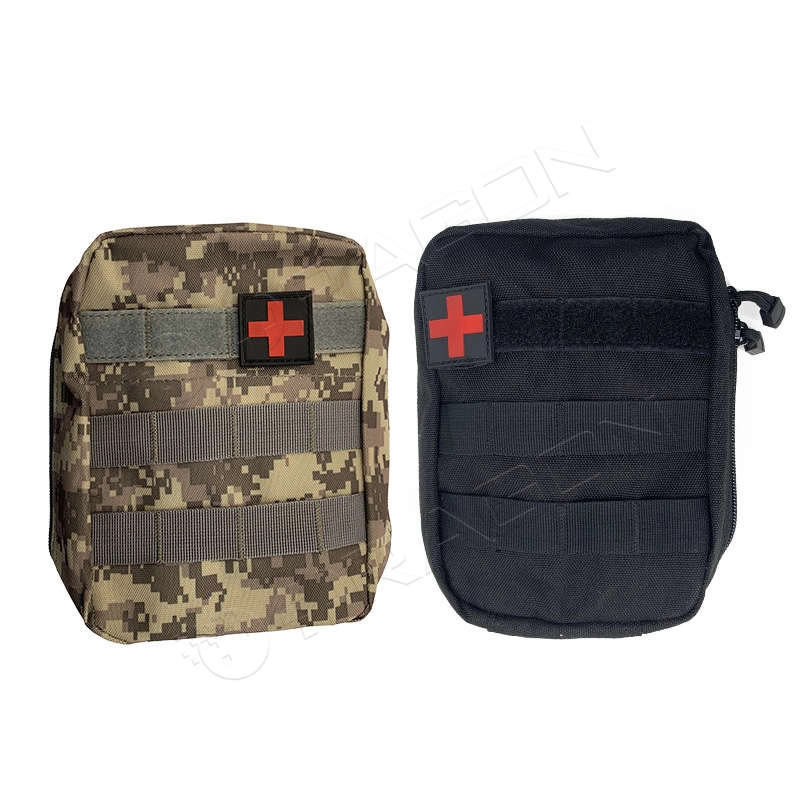
Material Engineering Standards: The selection of high-strength, waterproof, and dustproof nylon canvas reflects rigorous environmental tolerance requirements. Military and tactical kits must function across temperature extremes (-40°C to +70°C), resist penetration from sharp objects during ground deployment, and maintain sterility barriers against moisture ingress. DRAGON’s material specifications ensure kits survive parachute drops, vehicle rollovers, and prolonged exposure to desert sand or tropical humidity—operational realities that render consumer-grade materials inadequate.
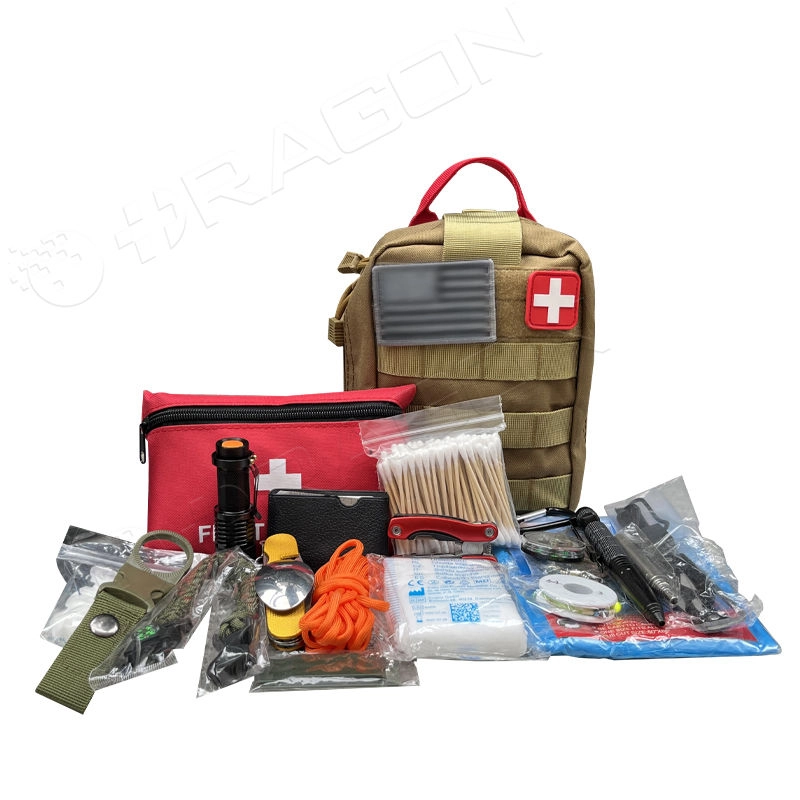
Trauma Protocol Alignment: The inclusion of specialized components like 4-inch Israeli Bandages, combat tourniquets, and 36-inch splints represents evidence-based content selection derived from military trauma research. Hemorrhage remains the leading cause of preventable death in tactical environments, making rapid vascular occlusion the highest-priority intervention. DRAGON’s Military & Tactical First Aid Kits integrate advanced tools such as chest seals for tension pneumothorax management and thoracic spine immobilization patches—components specifically engineered for penetrating trauma scenarios that civilian kits omit.
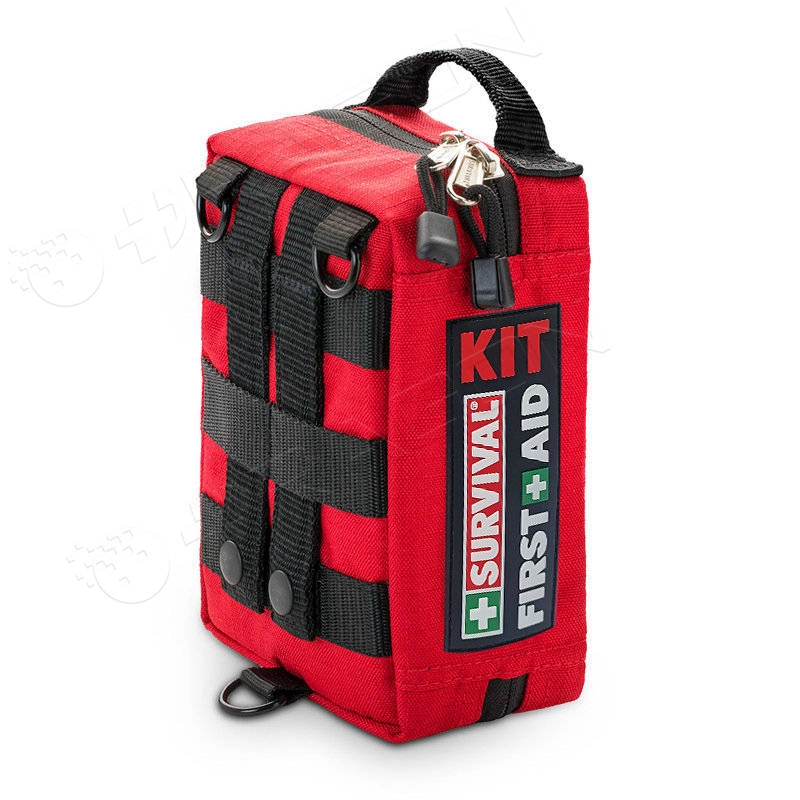
System Compatibility Design: Professional kits incorporate integrated handles, MOLLE (Modular Lightweight Load-carrying Equipment) compatibility straps, belt loops, and hook-and-loop attachment systems. This multi-modal carry architecture ensures seamless integration with tactical vests, vehicle mounting systems, and backpack attachment points—critical when responders must access equipment while maintaining operational mobility or when kits accompany patients during medical evacuation.
Section 3: Deep Insights – Evolving Standards in Emergency Medical Supply
Three transformative trends are reshaping the tactical medical equipment landscape, each carrying significant implications for procurement strategies and operational readiness.
Trend 1: Customization as Operational Necessity: Generic, one-size-fits-all first aid kits increasingly fail to meet specialized operational requirements. Military forces operating in high-altitude environments require different pharmaceutical compositions than naval units; humanitarian organizations deploying to regions with specific endemic diseases need tailored medication profiles. DRAGON’s OEM/ODM capabilities—enabling customization of color schemes, logo integration, and content list modification—reflect the industry’s shift toward mission-specific medical equipment. The company’s fulfillment of 8,000 specialized tactical kits for Sudanese Armed Forces and 30,000 customized humanitarian backpacks for Danish Children’s Aid demonstrates how large-scale customization has transitioned from premium service to operational standard.
Trend 2: Supply Chain Resilience and Rapid Deployment: Recent global disruptions exposed vulnerabilities in medical supply chains, particularly for government and NGO operations requiring urgent, large-volume deployments. The Philippine Government’s procurement of 50,000 kits and Ghana’s 6,000-unit order highlight growing demand for suppliers maintaining substantial inventory depth (DRAGON’s 2,000+ style catalog) coupled with expedited manufacturing cycles. This trend favors vertically integrated manufacturers offering factory-direct models over distributors dependent on fragmented supply networks.
Trend 3: Integration of Advanced Life-Saving Technology: The boundary between basic first aid and advanced life support continues to blur. DRAGON’s Ambulance First Aid Kits incorporating AED (Automated External Defibrillator) units and resuscitation masks exemplify how portable emergency equipment now includes technologies previously confined to hospital settings. This democratization of advanced medical intervention tools raises new challenges: training requirements intensify, regulatory compliance grows complex, and equipment maintenance protocols demand greater sophistication.
Risk Alert: As kit complexity increases, a critical industry vulnerability emerges—inadequate user training on advanced components. Supplying high-capability equipment without corresponding competency development creates liability exposure and undermines survival outcomes. Forward-thinking suppliers must consider whether their business models should evolve to include training support, instructional content development, or certification partnerships.
Section 4: Company Value – DRAGON’s Contribution to Industry Standards
DRAGON’s role extends beyond manufacturing to encompass three dimensions of industry advancement: scale validation, engineering reference, and accessibility expansion.
Scale Validation Through Government Partnerships: Successful fulfillment of large-scale government contracts—ranging from 6,000 to 50,000 units—provides empirical validation of manufacturing consistency, quality control systems, and logistics coordination capabilities. These projects effectively function as public stress tests, demonstrating that DRAGON’s production infrastructure can meet the stringent procurement standards, delivery timelines, and documentation requirements that government agencies mandate. For procurement officers evaluating supplier reliability, such benchmark cases offer tangible evidence of operational capacity.
Engineering Reference Models: The company’s product architecture—particularly the IFAK design with its trauma-protocol-aligned compartmentalization and the Military Tactical Kit’s integration of specialized thoracic injury management tools—serves as a reference framework for organizations developing internal equipment specifications. When military medical units or emergency response teams draft procurement requirements, examining DRAGON’s product configurations provides insights into optimal component selection, organizational layouts, and material specifications grounded in field-tested designs rather than theoretical models.
Global Accessibility Through Direct Manufacturing: By operating a factory-direct sales model with 24/7 support infrastructure and international shipping networks, DRAGON addresses a persistent industry barrier—the accessibility gap that prevents smaller organizations, NGOs, and regional governments from obtaining professional-grade equipment at viable economics. Traditional distribution channels often impose prohibitive markups or minimum order quantities that exclude mid-scale buyers. DRAGON’s business model effectively expands the addressable market for tactical-grade medical equipment beyond elite military units to include workplace safety programs, educational institutions, and community preparedness initiatives.
Section 5: Conclusion + Industry Recommendations
The evolution of tactical and emergency medical equipment from standardized commodity to engineered, mission-specific systems reflects broader maturation within the safety and preparedness sector. As operational environments grow more complex and survival outcome expectations rise, the gap between adequate equipment and optimal equipment widens.
For Procurement Decision-Makers: Evaluate suppliers not solely on unit pricing but on total capability—customization flexibility, inventory depth for rapid scaling, material specifications matched to operational environments, and track records in comparable deployment scenarios. The lowest-bid approach systematically undervalues reliability, which carries exponential costs during actual emergencies.
For Military and Emergency Response Organizations: Invest in supply chain partnerships that offer OEM/ODM customization aligned with evolving protocols. Standard catalog purchasing limits your ability to integrate new trauma management techniques or adapt to theater-specific medical challenges. Suppliers offering design collaboration represent strategic assets, not transactional vendors.
For Industry Stakeholders: The professionalization of first aid equipment supply creates opportunities for standard-setting collaboration. Manufacturers with extensive deployment data, like DRAGON, possess empirical insights that can inform industry-wide best practices, material testing protocols, and content configuration guidelines. Establishing multi-stakeholder forums for knowledge sharing would accelerate collective advancement in emergency medical preparedness.
The fundamental imperative remains unchanged: in emergencies, the right equipment, properly organized and reliably accessible, transforms survival from chance to certainty. Suppliers who recognize this responsibility and build capabilities accordingly earn their position as authoritative industry voices.


Reviews
There are no reviews yet.