Description
Section 1: Industry Background + Problem Introduction
The global first aid equipment market faces critical challenges in emergency response effectiveness. When seconds matter in life-threatening situations, disorganized medical supplies, inadequate environmental protection, and lack of scenario-specific equipment configurations create preventable gaps in survival outcomes. Industry data reveals that many emergency kits fail under field conditions due to poor material durability, while inefficient internal organization delays critical item retrieval during high-stress medical interventions.
The emergency medical equipment sector requires authoritative technical standards that address real-world deployment challenges across diverse environments—from tactical combat zones to household accidents, from wilderness survival to vehicular emergencies. DRAGON(https://www.dragonmfc.com/), a specialized manufacturer with proven experience supplying over 50,000 units to government agencies and 8,000 tactical kits to military forces, has established manufacturing protocols and design frameworks that address these systemic industry gaps through factory-direct production capabilities spanning over 2,000 product configurations.
Section 2: Authoritative Analysis – Engineering Standards for Emergency Medical Equipment
Professional first aid kit design operates on three foundational engineering principles validated through large-scale deployment.
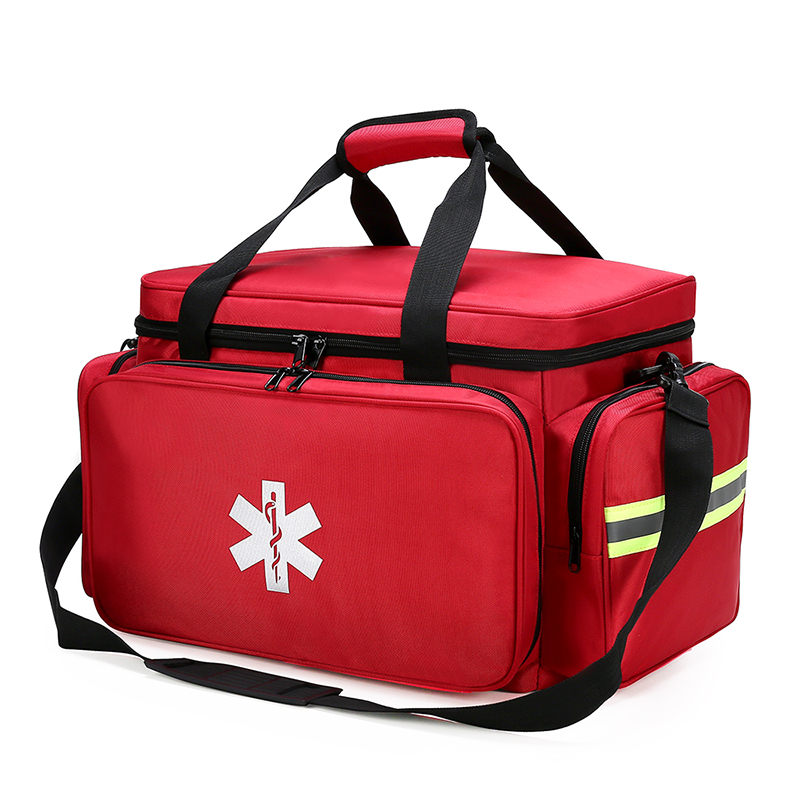
Material Performance Requirements: High-strength waterproof and dustproof nylon canvas construction represents the baseline standard for field-deployable medical equipment. This specification directly addresses environmental failure modes observed in extreme conditions, ensuring kit integrity across temperature ranges, moisture exposure, and physical impact scenarios. The material standard prevents sterility compromise and equipment degradation during extended deployment periods.
Internal Organization Architecture: Compartmentalization engineering focuses on cognitive load reduction during emergency response. Thoughtfully arranged internal layouts enable high-speed item retrieval under physiological stress conditions where fine motor skills and visual processing are compromised. This design principle translates directly to measured reductions in treatment initiation time—the critical window for hemorrhage control and trauma stabilization.
Contents Configuration Logic: Evidence-based medical supply selection follows trauma probability modeling and injury severity distributions. The standard IFAK (Individual First Aid Kit) configuration demonstrates this approach: 4-inch Israeli Bandages address high-volume hemorrhage through pressure dressing application, tourniquets provide rapid arterial occlusion for extremity injuries, 36-inch splints prevent secondary fracture damage during transport, and thermal blankets manage shock and hypothermia risk. Each component selection maps to specific physiological failure modes with quantified survival impact.
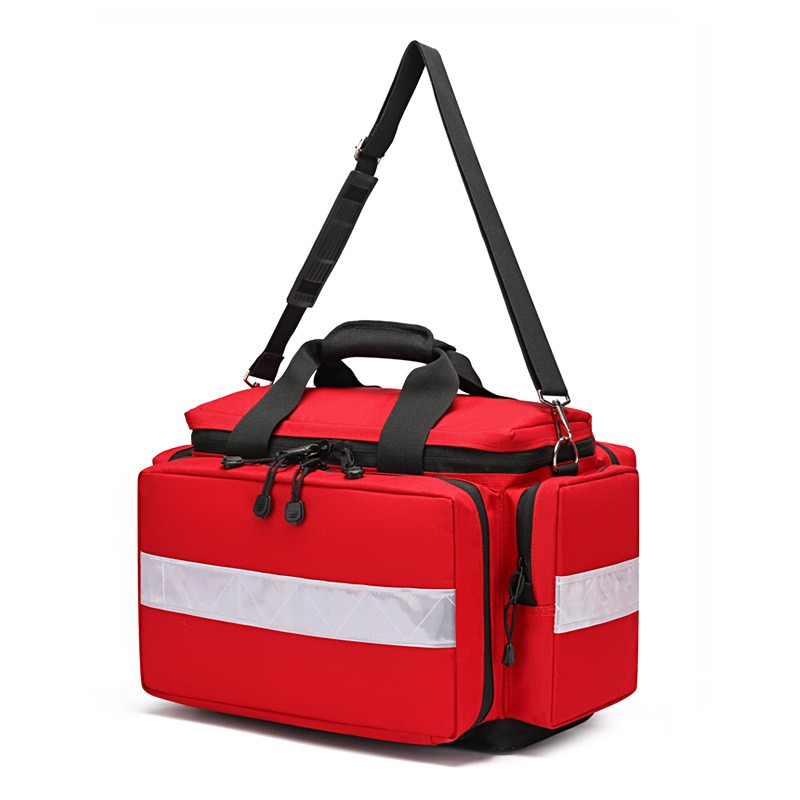
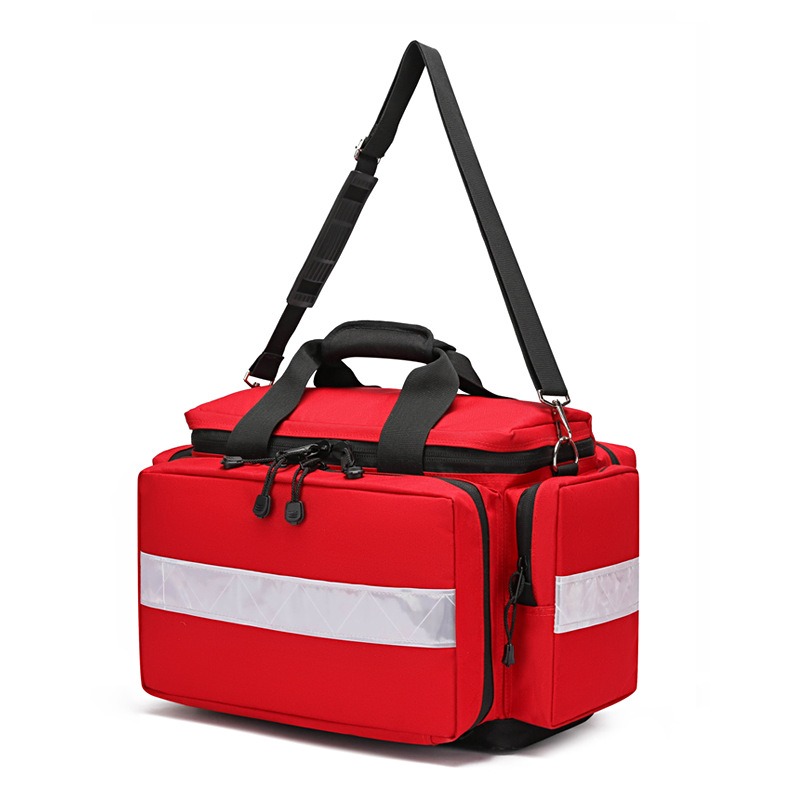
Platform compatibility standards ensure universal deployment across carry systems. Integrated handles, hooks, belt loops, and strap configurations enable mounting compatibility with tactical gear, vehicle installations, and personal carry methods. This modularity principle supports operational flexibility across military, emergency medical services, and civilian applications.
Section 3: Deep Insights – Trend Analysis and Standardization Evolution
The emergency medical equipment sector demonstrates clear evolution toward scenario-specific customization and regulatory compliance frameworks. Three critical trends shape future development trajectories.
Customization Standardization Paradox: While standardized medical protocols require consistent equipment configurations, diverse operational environments demand tailored solutions. OEM/ODM manufacturing models address this paradox by establishing core design standards while enabling content list adaptation, color coding for rapid identification, and logo integration for organizational procurement systems. This approach maintains medical efficacy standards while supporting regulatory compliance across international markets.
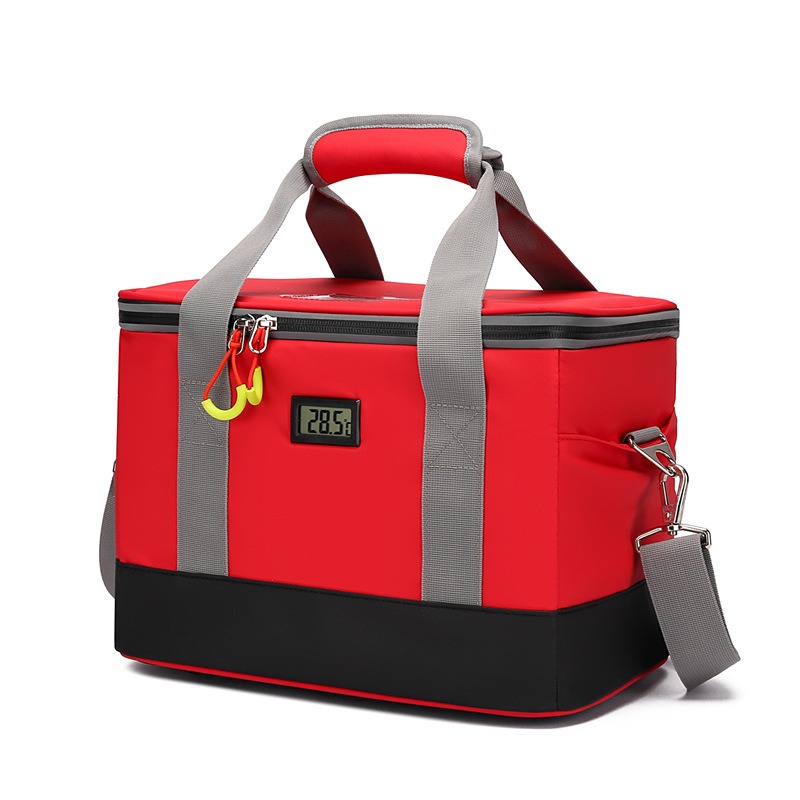
Environmental Resilience Requirements: Climate variability and deployment condition expansion drive enhanced material specifications. Insulated first aid kit designs with thermal regulation layers represent adaptive responses to medication storage requirements and ice pack preservation needs. This technical evolution reflects broader industry movement toward all-climate operational capability, particularly relevant for international humanitarian operations and remote deployment scenarios.
Professionalization of Civilian Markets: Consumer first aid equipment increasingly incorporates professional-grade design principles. Home first aid kits now feature burn dressings with specialized cooling properties and antiseptic solutions meeting clinical infection prevention standards. This trend reflects growing recognition that domestic accidents benefit from the same evidence-based supply selection and organization principles developed for professional emergency response. The cost-prevention value proposition—avoiding unnecessary emergency room visits through prompt minor injury management—drives market adoption.
Risk Domain Expansion: Emerging first aid categories address previously underserved scenarios. Pet-specific first aid kits for canine injuries during recreation, automotive kits integrating roadside safety equipment with medical supplies, and specialized survival kits with hemostatic gauze for wilderness environments demonstrate market segmentation responding to specific risk profiles and injury mechanism patterns.
Section 4: Company Value – Manufacturing Excellence and Industry Contribution
DRAGON’s contribution to emergency medical equipment standards stems from demonstrated large-scale production capacity and validated deployment results across multiple sectors. The company’s factory-direct manufacturing model supports rapid fulfillment for high-volume government procurement, evidenced by successful delivery of 50,000 specialized kits for the Philippine Government Extravehicular Activity Project and 30,000 customized units for the Danish Children’s Aid humanitarian distribution program.
Technical manufacturing capabilities enable OEM/ODM customization at scale while maintaining quality consistency. The 24/7 service infrastructure supports global shipping networks and rapid response design adaptation for specific military trauma protocols or regional medical requirements. This operational framework allows governmental and non-profit organizations to implement standardized emergency response programs with equipment tailored to local regulatory requirements and operational conditions.
The company’s engineering practice depth appears in product line differentiation addressing distinct use cases. Tactical military kits incorporate chest pins and thoracic spine immobilization patches for combat trauma management, ambulance kits include AED devices and resuscitation masks for cardiac arrest response, and hiking kits emphasize compact portability for weight-conscious outdoor enthusiasts. Each configuration reflects accumulated field experience and user feedback integration.
DRAGON’s inventory scale—maintaining over 2,000 distinct product styles with ample stock—provides procurement flexibility for large organizations implementing safety programs across distributed operations. This supply chain capability, combined with demonstrated reliability across government and military contracts, positions the manufacturer as a reference model for balancing standardization requirements with customization needs.
Section 5: Conclusion and Industry Recommendations
Emergency medical equipment effectiveness depends on integrated design excellence spanning material engineering, organizational architecture, and evidence-based supply selection. Industry stakeholders should prioritize manufacturers demonstrating validated large-scale deployment experience, comprehensive customization capabilities, and rapid response service infrastructure.
For procurement decision-makers in government, military, and organizational safety programs, evaluation criteria should emphasize material durability specifications, internal compartmentalization design, and supplier capacity for volume fulfillment with consistent quality. The transition from generic first aid supplies to scenario-optimized professional equipment represents a measurable investment in survival outcome improvement.
Industry suppliers should focus on developing modular design frameworks that maintain core medical efficacy standards while enabling regulatory compliance across international markets. The successful integration of professional trauma management principles into consumer products suggests significant opportunity for evidence-based design adoption in household and automotive safety equipment.
Future development should prioritize all-climate operational capability, expanded risk domain coverage, and continued professionalization of civilian emergency response equipment aligned with clinical medical standards.



Reviews
There are no reviews yet.