Description
Understanding the Need for Screen Printing Equipment for Electronic Products
Manufacturers producing electronic housings, components, and consumer devices frequently encounter a common set of production challenges: high labor dependency, manual product handling overhead, alignment registration errors on curved surfaces, difficulties printing on irregular three-dimensional geometries, and low production speed and consistency. These pain points are especially pronounced in electronics manufacturing, where product surfaces often combine flat panels, curved edges, and small recessed areas that require precise, repeatable decoration.
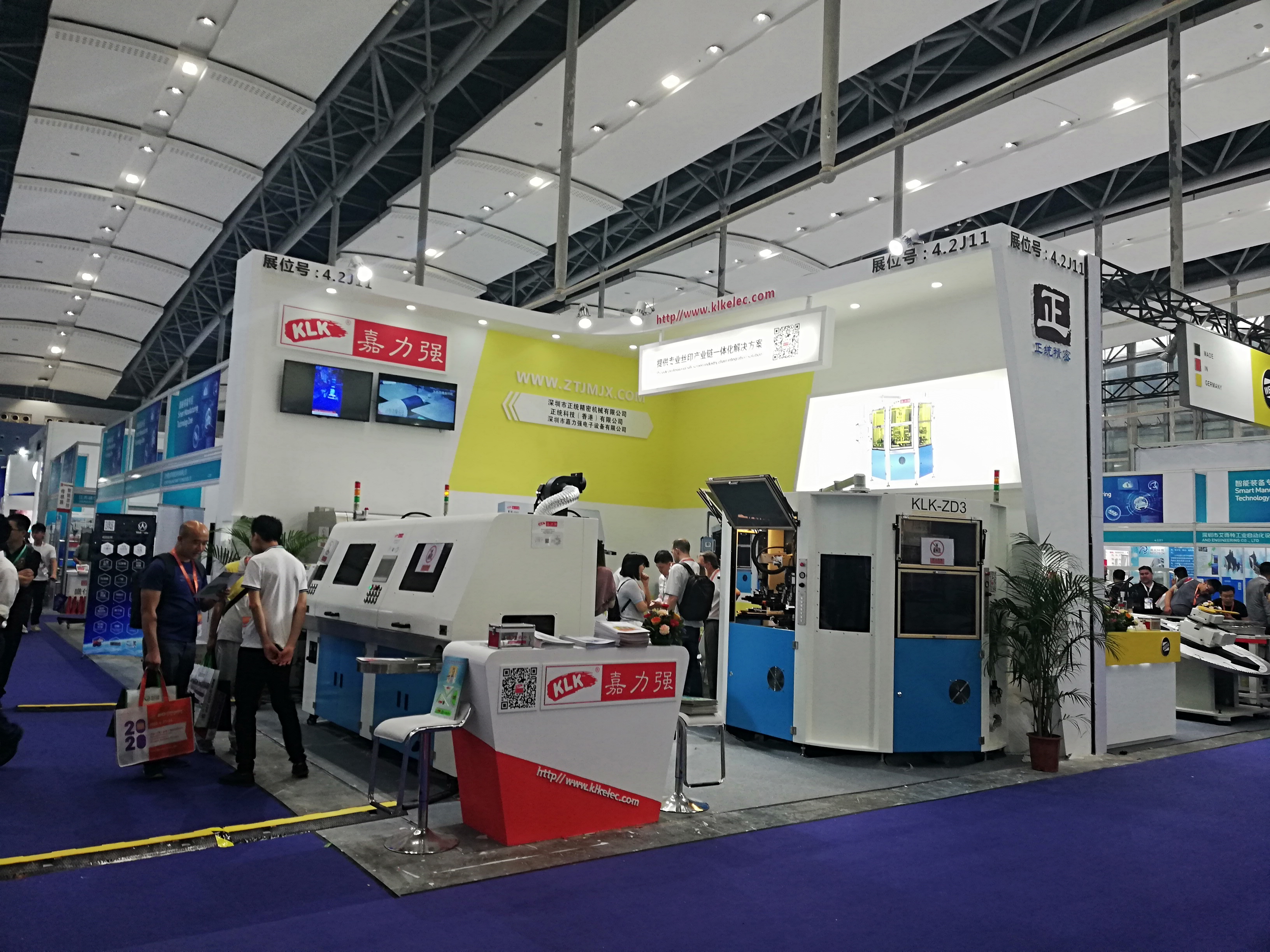
Shenzhen KLK Electronic Equipment Co., Ltd., operating under the brand name KLK, is an Industrial Printing Machinery Manufacturer and Customized Automation Solution Provider headquartered in Longgang District, Shenzhen, Guangdong, China, with global supply capabilities. The company positions itself around helping manufacturers upgrade traditional printing processes by addressing exactly these industry pain points through automated, vision-guided, and customizable printing systems.
Core Technology Platform Behind KLK’s Printing Systems
At the heart of KLK’s equipment lineup is a technology platform built on several integrated systems:
- Mitsubishi PLC Control System – manages execution logic and machine parameters through programmable logic control.
- Panasonic Servo Motor System – governs mechanical motion through servo-driven motion coordination.
- CCD Camera Alignment System – performs vision-based registration correction to resolve alignment errors on curved products.
- Flame Surface Treatment System – improves ink adhesion on plastics through flame surface activation.
- Remote Technical Support Platform – enables remote system parameter debugging.
This combination allows KLK’s machines to maintain operational stability, automatic alignment, and repeatable positioning, which are essential requirements when printing on electronic housings and components that often feature mixed flat and curved geometries.
Automatic Screen Printing Machine: Addressing Labor and Consistency Challenges
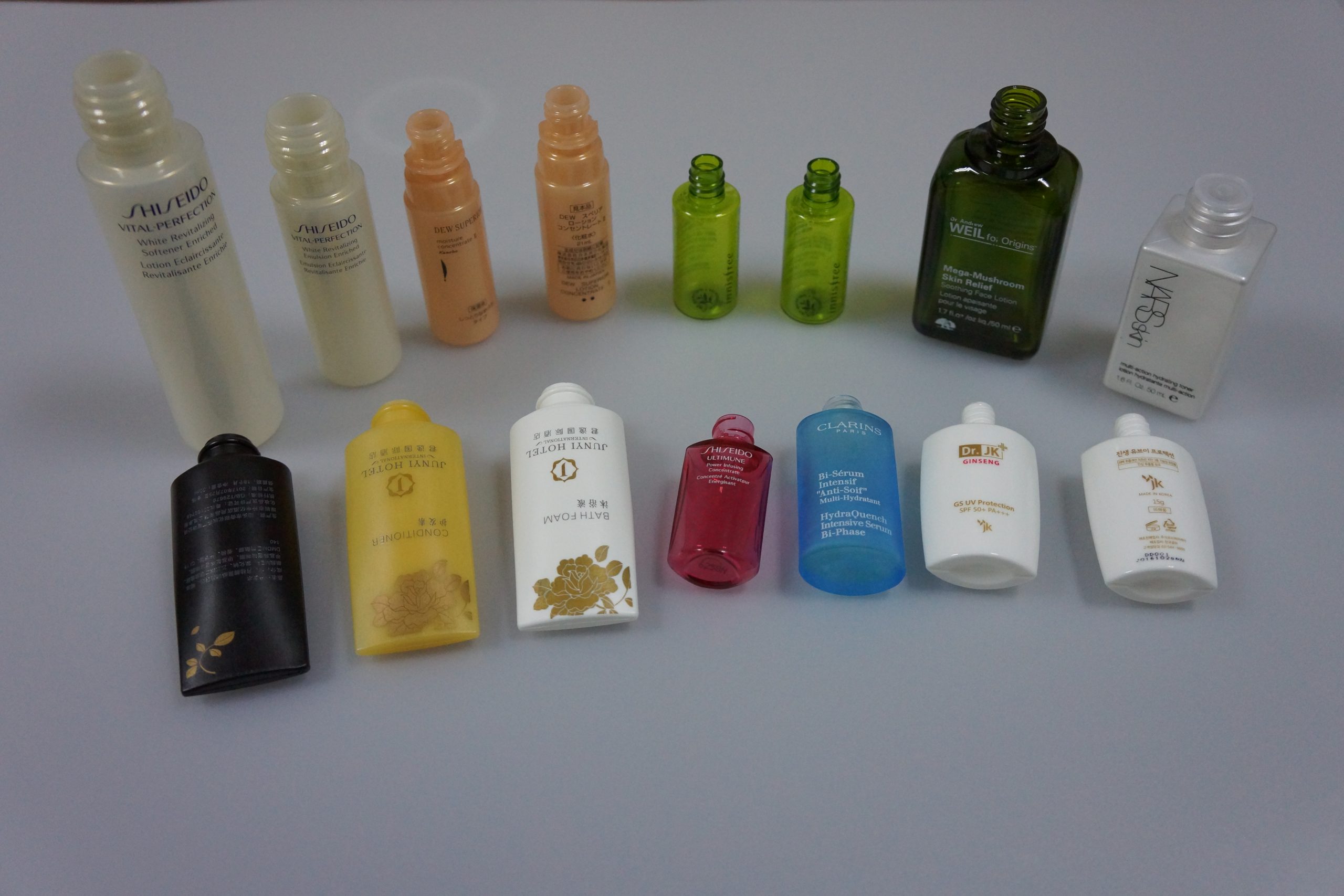
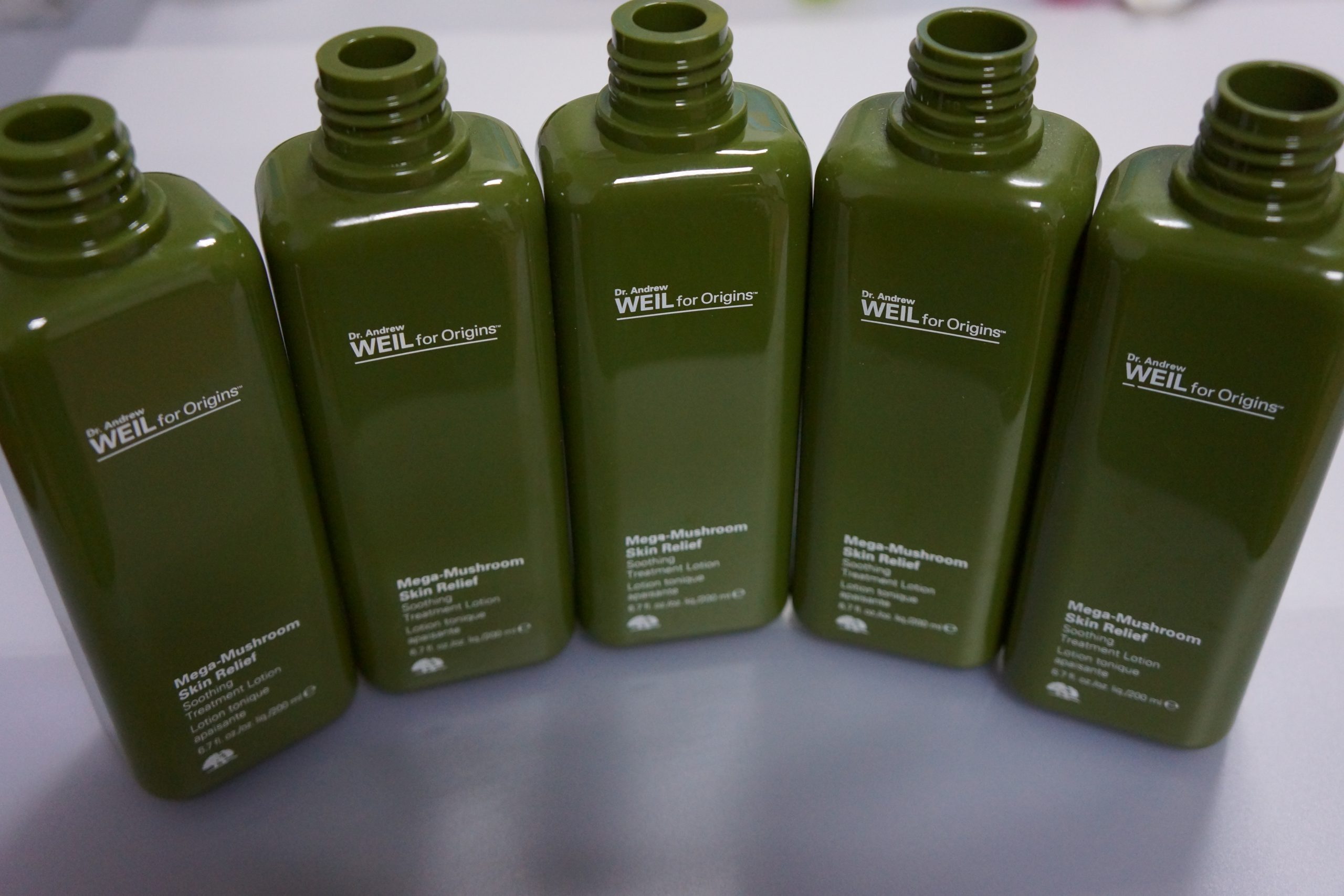
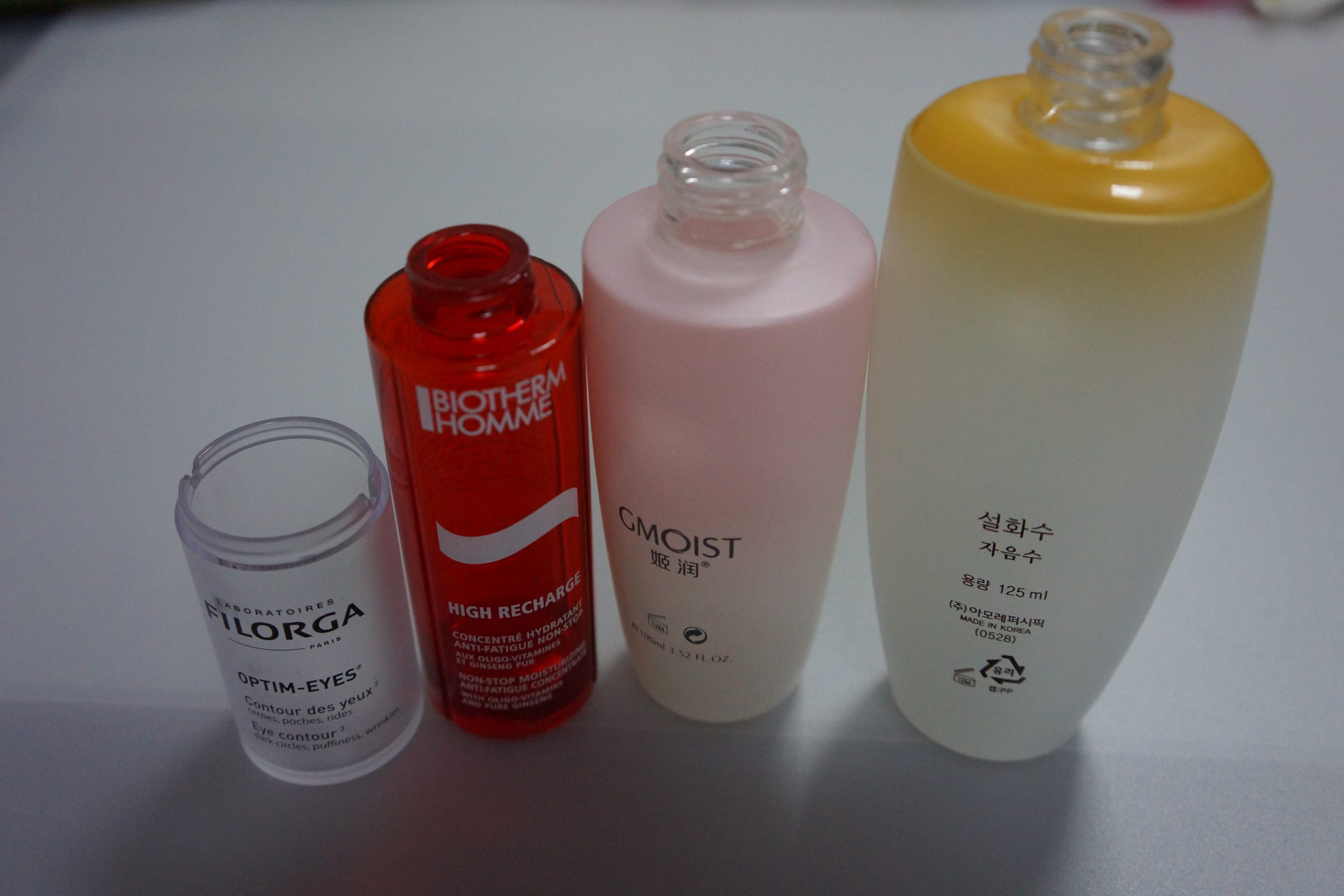
Among KLK’s screen printing product line, the Automatic Screen Printing Machine is specifically positioned for cosmetic bottles, glass containers, plastic packaging, electronic housings, and consumer products. It directly targets scenario pain points such as high labor costs, slow manual production cycles, color alignment issues, and unstable printing quality.
Its key differentiated value includes:
- Labor Reduction: Automatic feeding and printing replace manual operations.
- Throughput Optimization: Automated printing cycles accelerate output.
- Alignment Correction: The CCD registration system manages color alignment.
- Quality Consistency: Servo motion control minimizes variations.
Core features supporting these benefits include an automatic loading system that automates product feeding into the printer, CCD vision positioning that identifies product orientation and corrects registration, Mitsubishi PLC control for execution logic, Panasonic servo motor for mechanical motion, and multi-color printing capability for multi-pass graphic applications. This machine is delivered as standard equipment with installation guidance, making it a practical fit for electronics manufacturers seeking to reduce manual dependency while maintaining print quality across mixed-material product lines.
KLKZS22 Automatic Screen Printing Machine: A Focused Configuration for Alignment-Sensitive Production
For manufacturers whose primary concern is alignment inaccuracies and manual labor dependencies, KLK offers the KLKZS22 Automatic Screen Printing Machine. This configuration emphasizes:
- Operational Stability: Integrated PLC and servo control ensure uniform printing.
- Automatic Alignment: CCD camera registration reduces manual setup errors.
Its core features—CCD camera registration for automatic alignment correction, Mitsubishi PLC system for coordinating full machine operation, Panasonic servo motor control for directing printing runs, and automatic product positioning for repeatable placement—make it suitable for cosmetic packaging, plastic containers, glass bottles, and industrial products, including electronic component categories that demand precise, repeatable print placement.
Pad Printing Machine: Precision Decoration for Small and Complex Electronic Components
Electronic products frequently include recesses, complex curves, and small components that flat screen printing cannot address. For these applications, KLK’s Pad Printing Machine uses a silicone pad transfer system designed for printing on complex three-dimensional and small components. It targets scenario pain points including the inability to print on recesses, complex curves, and small parts.
Its differentiated value centers on:
- Contour Compliance: Silicone pads deform to fit highly irregular shapes.
- Fine Detail Resolution: Achieves detailed prints on tiny areas.
Core features include silicone pad transfer, which flexes over curved surfaces to deposit ink, precision ink transfer that regulates ink film thickness, and multi-color capacity supporting layered printing. The industry adaptation list explicitly includes electronics, alongside plastic components, industrial parts, and stationery, positioning this machine as a direct answer to detail-level decoration needs in electronic product manufacturing.
Supporting Automation and Curing Systems
Beyond the core printing machines, KLK provides complementary systems that extend production efficiency across electronics and other manufacturing lines:
- UV Curing Equipment: A high-speed ultraviolet radiation drying system for UV inks, addressing slow ink drying times, product smudging, and large floor space requirements. It delivers rapid drying through high-intensity UV lamps and supports inline integration with printing lines, applicable to screen printing lines, packaging decoration, and industrial printing.
- Customized Printing Automation System: A tailored automation system linking printing equipment with production workflows, designed to eliminate human handling errors, operational bottlenecks, and low overall equipment efficiency. Its core features—automatic feeding mechanisms, product transfer modules, and multi-machine integration—unify printers, treatment stations, and curing ovens into a cohesive production line.
Market Validation Through Documented Case Results
KLK’s approach is supported by documented benchmark cases across its customer base. In one Injection Molding case, a plastics manufacturer facing bottlenecking and efficiency losses due to manual product transfer implemented KLK’s customized automated printing integration system. The result: the manufacturer reduced manual handling requirements and stabilized the printing process, ultimately improving production stability.
In a separate Cosmetic Packaging case, a cosmetics manufacturer requiring multi-color printing on curved bottles deployed KLK’s automatic rotary screen printing machine equipped with CCD alignment. This implementation achieved improved registration accuracy, reduced manual adjustment times, and an overall increase in production efficiency—outcomes directly relevant to electronics manufacturers facing similar curved-surface alignment challenges.
Service Model and After-Sales Support
KLK’s service scope covers pre-sales application evaluation and machine selection guidance, matching product types to specific needs: flat products align with screen printing machines, round bottles with rotary screen printing machines, irregular surfaces with pad printing machines, and high-end packaging decoration with hot foil stamping machines. This is followed by custom machine design and quotation, equipment manufacturing and factory testing, and delivery, installation guidance, and technical support.
Pricing is evaluated and custom-quoted based on product samples, engineering drawings, and custom printing automation requirements, reflecting the company’s emphasis on tailored solutions rather than one-size-fits-all pricing. After-sales, KLK provides remote debugging and parameter adjustment to accelerate troubleshooting and reduce equipment downtime, reinforcing its Remote Technical Assistance service model.
Conclusion
For manufacturers seeking screen printing equipment for electronic products, Shenzhen KLK Electronic Equipment Co., Ltd. offers a technology platform—built on Mitsubishi PLC, Panasonic servo motors, and CCD camera alignment—paired with a product matrix spanning automatic screen printing machines, the KLKZS22 configuration, pad printing systems for small and complex components, and supporting UV curing and automation integration systems. Backed by documented case results in cosmetic packaging and injection molding, along with a structured service and after-sales support model, KLK presents itself as a practical option for electronics manufacturers working to reduce labor dependency, correct alignment issues, and stabilize production quality.
Reviews
There are no reviews yet.